
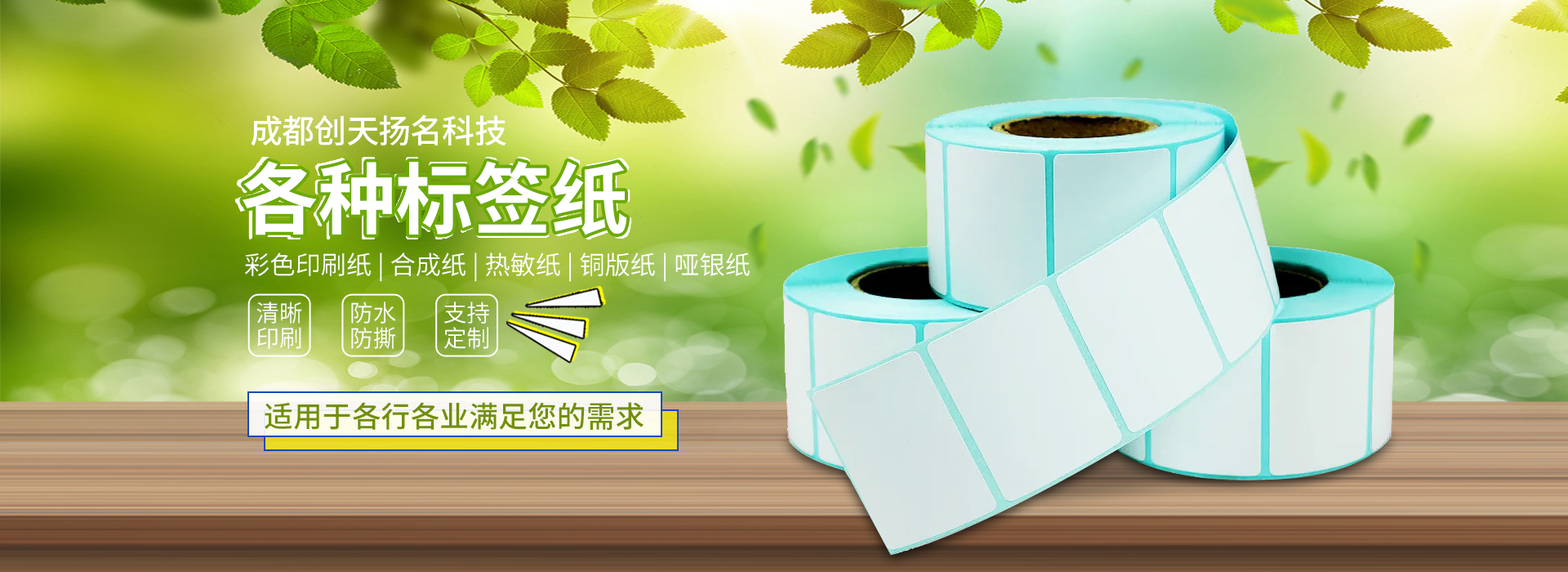
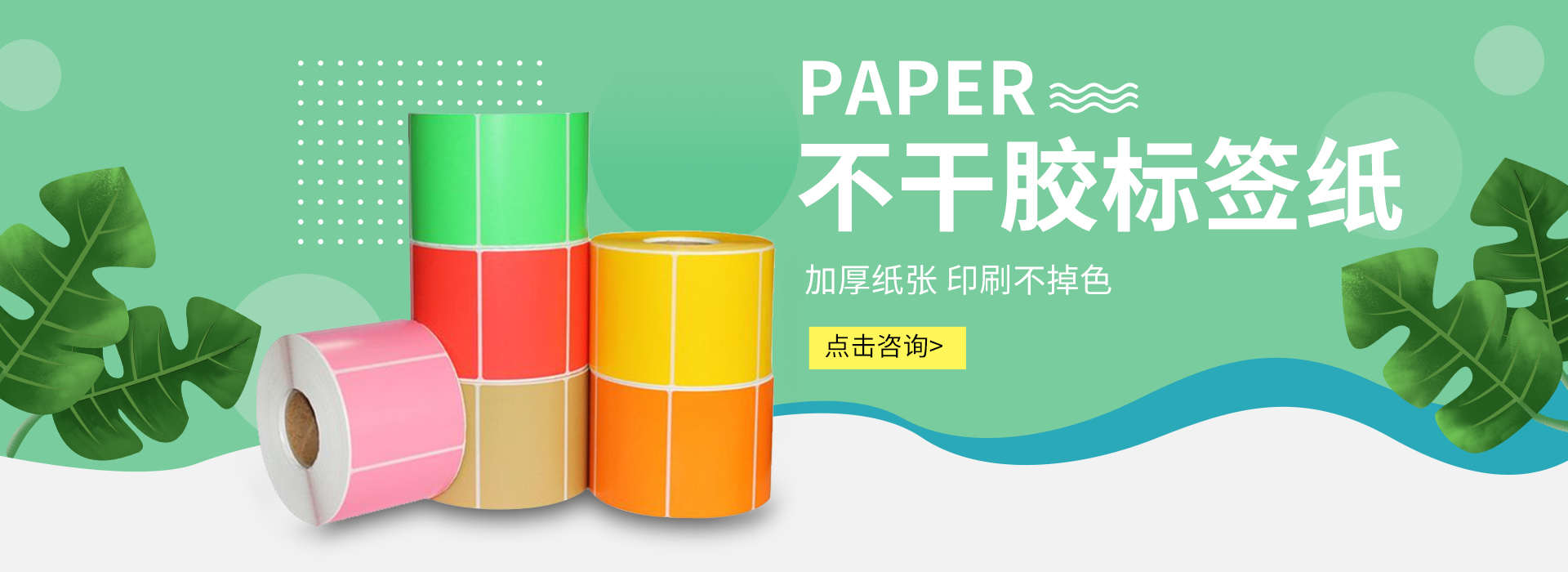

Let's first understand what a self-adhesive label is and how it differs from traditional stickers. Self-adhesive labels, also known as instant labels, peel-and-stick labels, and pressure-sensitive paper, are a composite material made of paper, film, or special materials. They feature an adhesive coating on the back and are backed with a silicon-coated release paper. After printing and die-cutting processes, they become finished labels. To use them, simply peel them off the backing, press them gently, and they can be applied to various substrates. They can also be applied automatically on production lines using label applicators.
Vinyl stickers, as opposed to traditional stickers, eliminate the need for glue brushing, paste application, and water dipping, thus saving time in labeling and are convenient and quick for various applications. Different types of stickers with varying fabrics, adhesives, and backing papers can be used on materials where regular paper stickers are not suitable. It can be said that the printing of vinyl stickers differs significantly from that of traditional printing, as they are typically printed and processed on sticker applicator machines, including processes such as graphic printing, die-cutting, waste removal, sheet cutting, or re-winding. This involves feeding a continuous roll of raw material at one end and receiving finished products at the other. Vinyl sticker products come in single sheets or rolled formats, and finished vinyl sticker labels can be directly applied to goods. Therefore, the printing process for vinyl stickers is more complex, demanding higher performance from equipment and higher quality from printing staff. Firstly, it is also necessary to understand the basic structure and functions of the various components of the vinyl material used as a printing medium. The structure of vinyl materials, on the surface, consists of three parts: the surface material, the adhesive, and the backing paper. However, from the perspective of manufacturing processes and quality, vinyl materials are composed of seven parts:
Back-coated or Back-printed
Back-coating is a protective coating applied to the back of the base paper, ensuring that the adhesive on the label sticks to the base paper after it is rewound. Another function of the self-adhesive label is to create multi-layer labels. The reverse printing of the self-adhesive sticker involves imprinting the manufacturer's registered trademark or design on the back of the base paper.
2. Material Surface
The surface material is the one that accepts printed graphics on the front side and adhesive on the back, which is then applied to the substrate.
Flexible materials, such as common paper, film, composite foil, various textiles, thin metal sheets, and rubber, can generally be used as the base material for pressure-sensitive adhesives. The base material must be suitable for printing and printing, possess good ink-absorption properties, and have sufficient strength to withstand various processing methods, including die-cutting, waste removal, longitudinal cutting, punching, and labeling.
3. Surface Coating
To alter the surface characteristics of materials, such as changing colors and adding protective layers, enhancing ink reception and ease of printing. This ensures that pressure-sensitive labels prevent soiling, increase ink adhesion, and prevent printed images from peeling off. Surface coating is primarily used for non-absorbent materials like aluminum foil, aluminum-coated paper, and various film materials.
4. Release coating (silicone layer) involves applying a silicone oil layer on the surface of the base paper. The silicone oil coating on the non-adhesive label makes the base paper a very smooth and low surface tension surface, which serves to prevent the adhesive from sticking to the base paper, non-adhesive label manufacturer.
5. Adhesives
Adhesives act as a medium between label materials and bonding substrates, serving as a bonding agent. They come in various formulations, suitable for different surfaces and occasions. Adhesives are a crucial component in the technology of pressure-sensitive materials and a key element in label application technology, for manufacturers of pressure-sensitive stickers.
6. Base Paper
The backing paper's role is to receive the release agent coating, protect the adhesive on the back of the face material, support the face material, and enable the sticker labels to be die-cut, waste-separated, and affixed on labeling machines, for sticker label manufacturers.
7. Apply the base coat
Just like the surface coating, it's applied on the backside of the face material. The primary purpose of applying the undercoat is:
Protect the surface material to prevent adhesive penetration.
Enhanced opacity in the fabric.
Enhanced bonding strength between adhesive and sheet materials.
(4) Prevent plastic film plasticizers from渗透 into the adhesive, affecting its adhesive properties and reducing the label's bonding strength, leading to label detachment, for sticker label manufacturers.
