
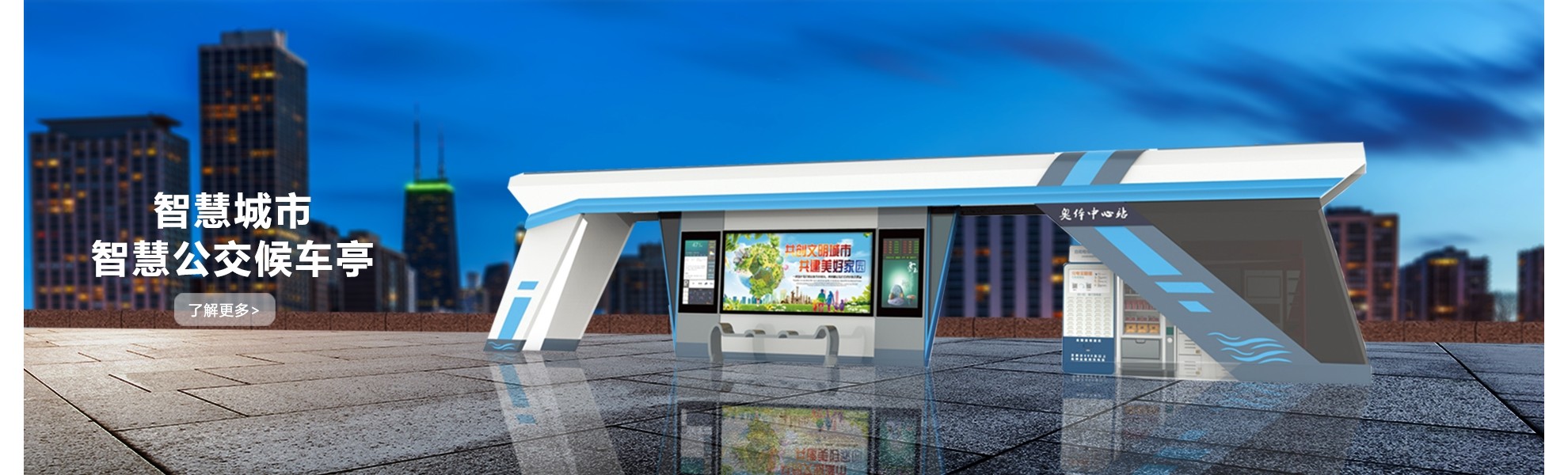

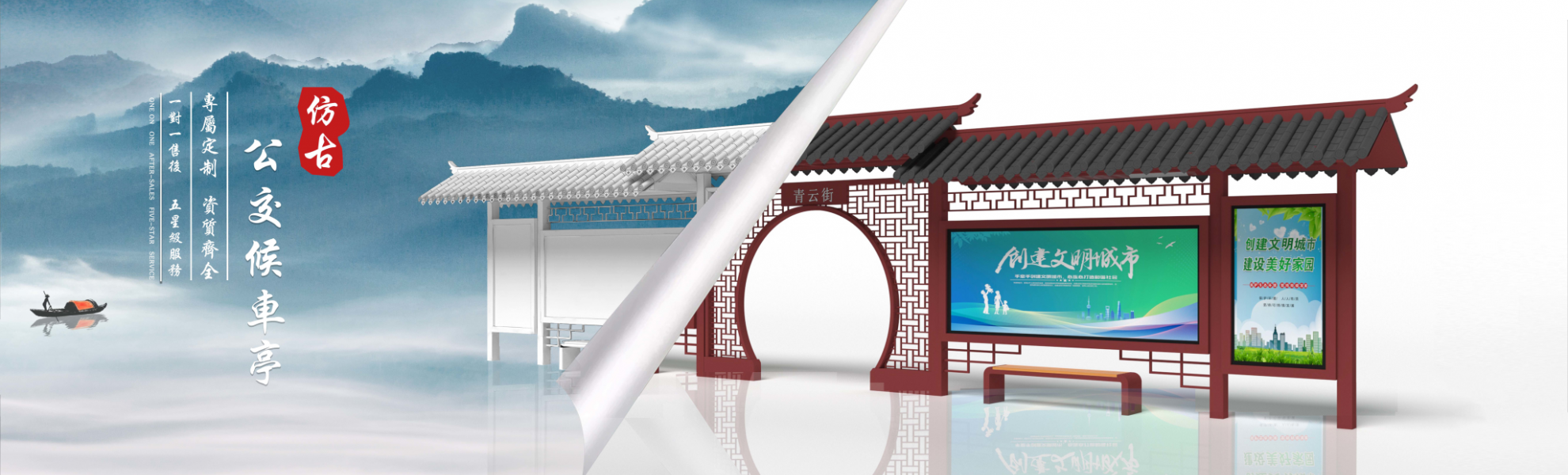

Bus shelters are an indispensable accessory in the urban public transportation system, commonly used to provide convenience for passengers waiting, boarding, and transferring. They also offer functionalities such as rain protection and sunshade. Therefore, the production cycle of bus shelters is crucial. How long does it take to manufacture a bus shelter? The following discussion will be provided by a bus shelter manufacturer.
It's important to note that the production timeline for bus shelters is influenced by various factors, including design plans, material selection, production techniques, and installation environments, among others. Generally, the production timeline for bus shelters ranges from 1 to 3 months. The specific duration can vary depending on the region, manufacturer, material, and specifications. For large-scale public transportation hubs or custom-designed bus shelters, the production timeline may be extended.
Next, what are the specific stages involved in the production cycle of a bus stop shelter? Generally, the production cycle can be divided into several key stages: design planning, material selection, structural processing, painting treatment, assembly debugging, and installation acceptance. Each stage requires time, especially design planning, which needs to consider numerous factors such as design style and usage, and may take longer than a month.
Following the design planning phase, the selection of materials is required. Generally, the main materials for bus shelters include steel, glass, stone, etc. The choice of these materials needs to consider the functionality and aesthetics required by the shelter's operating environment, typically taking one and a half to two months.
As the design and material selection are completed, the manufacturing process commences, primarily consisting of two stages: structural processing and baking paint treatment. Structural processing includes sheet metal cutting, bending, welding, and polishing. This phase can take anywhere from twenty to forty days. Baking paint treatment is carried out to enhance the pavilion's aesthetics and corrosion resistance. It involves cleaning, sandblasting, primer application, intermediate coating, and topcoat, which is a time-consuming process, potentially requiring over ten days.
The assembly and debugging phase follows, which includes electrical systems, doors and windows, interior seating, as well as outdoor lighting, etc. This phase requires multiple trial installations to gradually find the best positions for each component. It necessitates gradual adjustments and improvements, typically taking between 10 to 20 days.
The installation and commissioning process of pavilions. Installation and commissioning are a step in the entire production cycle. Depending on the environment and the complexity of the pavilion structure, installation time can range from as short as two days to as long as five days to about a week.
In summary, the duration of the bus shelter production cycle is influenced by various factors. Consequently, preliminary design, material selection, structural processing, baking paint treatment, assembly debugging, and installation acceptance all require time, typically ranging from one to three months from design to installation acceptance. Although the production cycle is lengthy, once completed, the bus shelter will become an indispensable part of the urban transportation system, providing significant support and convenience for citizens' daily lives.
