
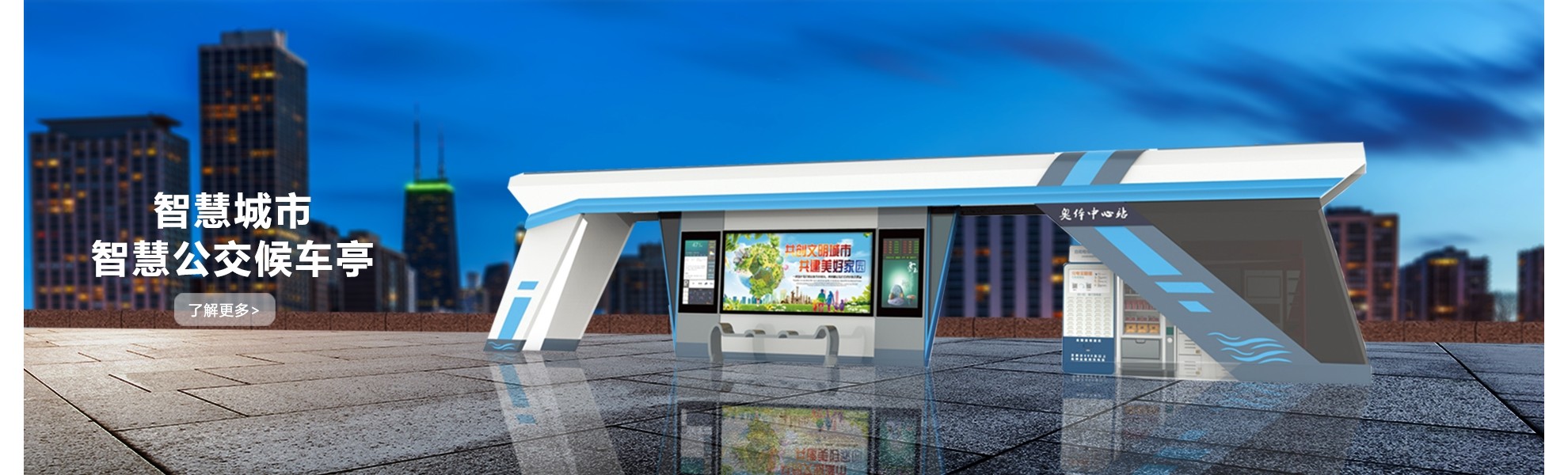

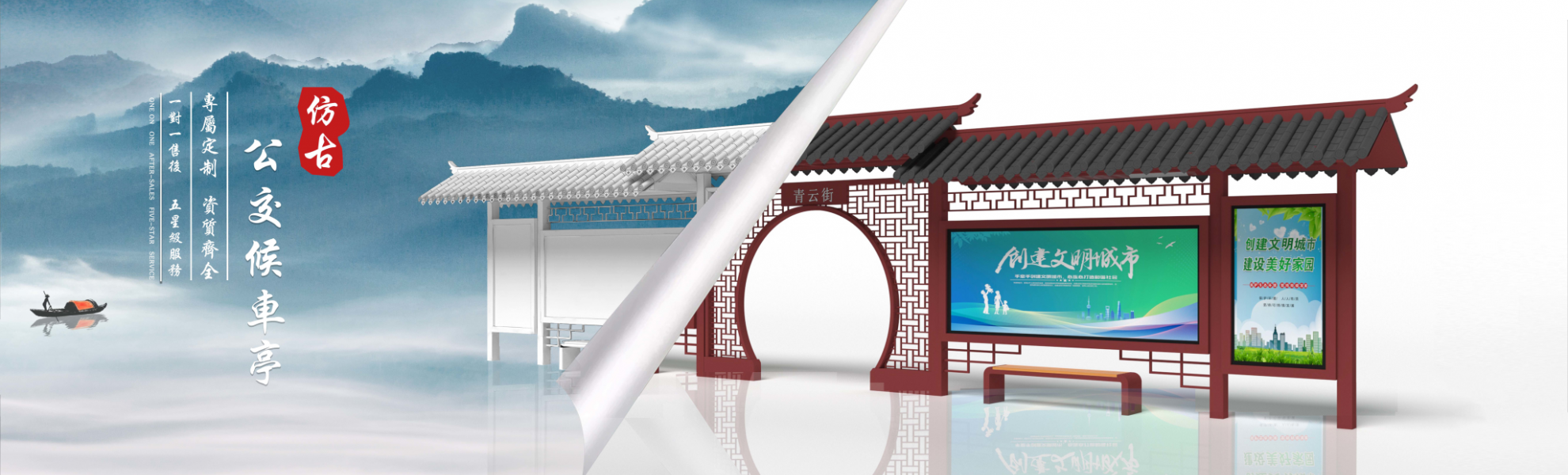

Public transportation is a vital component of urban development, and bus stops are one of the indispensable facilities in the journey. As an important public space in the city, bus shelters naturally also play a role in conveying the city's image. Therefore, the appearance design of bus shelters will undoubtedly have a profound impact on the city's image.
Firstly, the appearance design of bus shelters directly impacts the visual perception of a city's image. As people wander around, their vision is largely influenced by the messages conveyed through beauty and the simplicity and cleanliness. As an important part of the city's public space, if the appearance design of bus shelters embodies characteristics such as innovation, comfort, and aesthetics, it will undoubtedly have a positive impact on the overall visual perception of the city's image. Conversely, if the appearance design of bus shelters is dull and outdated, then even if buses wait there, people's impression of the city is unlikely to be satisfying. After all, a city's image, much like a public image, is always collectively shaped.
Next, the design of bus shelters must not only consider visual appeal but also comfort and usability. A truly great design should be experiential and sustainable. Only with these qualities can bus shelters provide a pleasant and comfortable experience for users. In the design of modern urban environments, a perfect bus shelter not only meets functional needs but also takes into account psychological feelings and usage habits, which directly influence people's impression of our city. At the same time, environmental factors around the bus stop, such as noise and traffic, greatly affect the usability and users' experience of the stop. Designers tailor the design to different market areas, seasons, and patterns of people flow, highlighting the importance of human-centric design in bus shelter aesthetics.
The integration of bus shelter design with the urban image is crucial for fostering a sense of identity and belonging in the city. The interaction between the station and its surrounding environment not only gives passengers a feeling of being at home but also instills pride in city dwellers about their city. If the design of the station conflicts with the surrounding environment, it is likely to diminish recognition and identification with the city's image. Conversely, if the design of the station resonates with the environment, it not only highlights the unique charm of the city's image but also ensures a sense of security and comfort for living and moving around the city.
In summary, the appearance design of bus shelters significantly impacts the city's image. Good shelter designs reflect the city's spirit and enhance its image, as well as fostering citizens' sense of identity and belonging to the city. Therefore, cities should prioritize the aesthetic design of bus shelters, aiming to make them a shining star in the city's development journey.
