
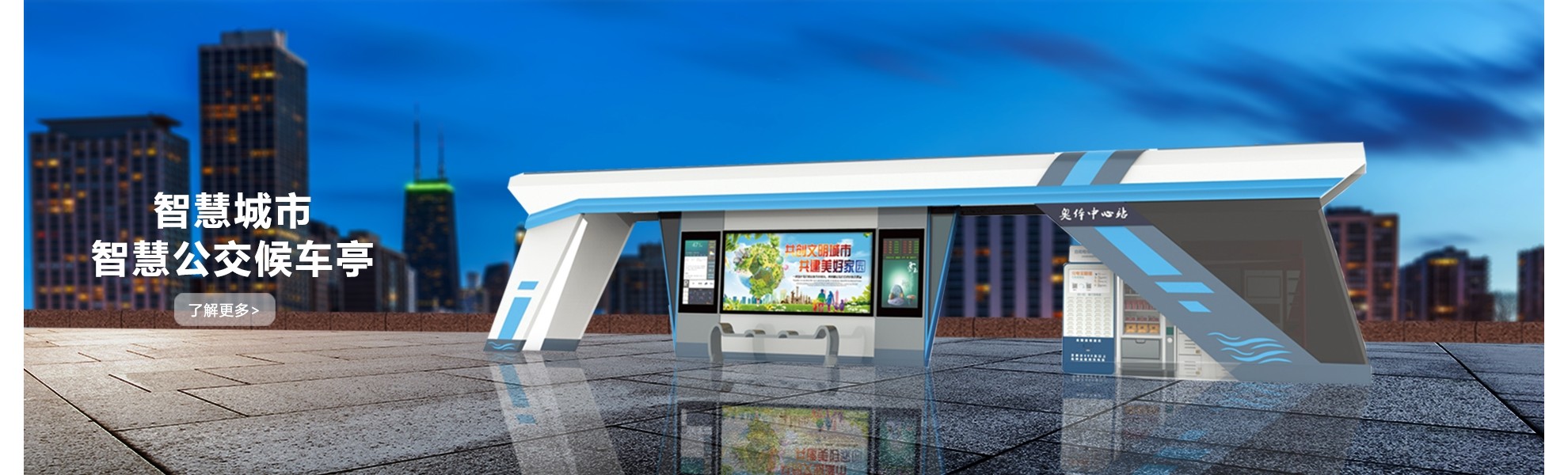

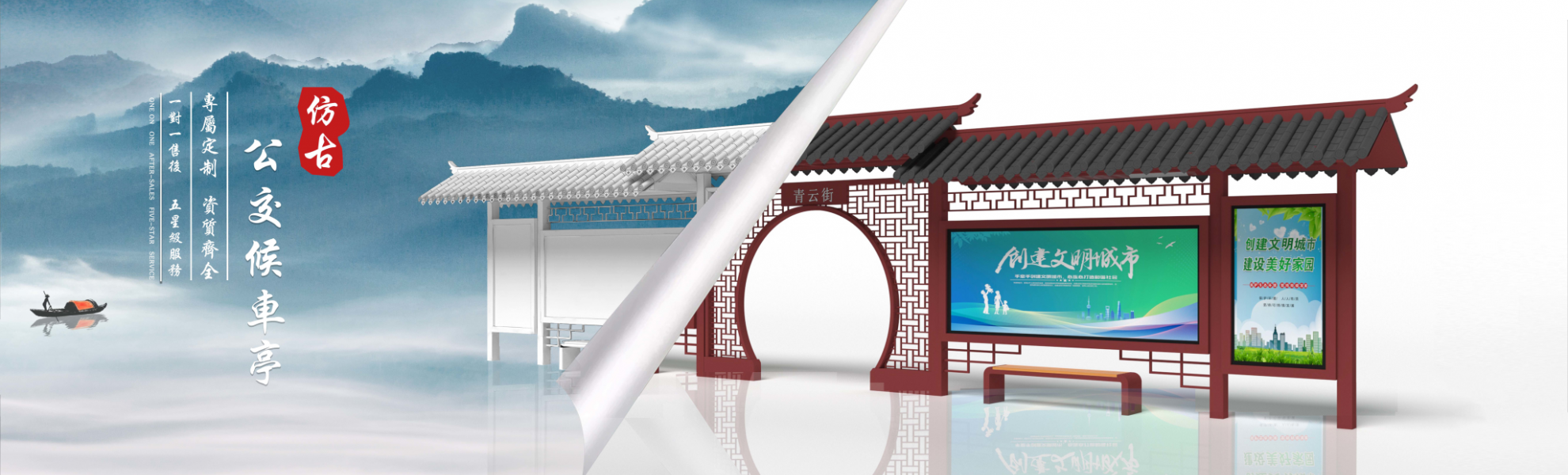

Bus Shelter Manufacturers Explain the Importance of Design and Production in City Public Transportation Infrastructure The design and production of bus shelters, as an essential component of urban public transportation facilities, are of great importance. Generally, the manufacturing process of bus shelters involves several stages: design, material preparation, production, and installation and debugging.
Design Phase
The design of the bus shelter is the core part of the entire manufacturing process. During the design phase, several key factors must be considered, such as the size of the shelter, the materials used, the structure, the roof design, seating placement, lighting, and ventilation. Designers need to integrate multiple factors, including the urban environment, the actual conditions of the bus stop, and passengers' comfort needs, to determine the shelter's design plan.
Materials Preparation
The production of bus shelters requires a variety of materials, commonly including metals such as stainless steel and aluminum alloys. Additionally, the roof materials may consist of plastic sheets, glass, and other materials. When selecting materials, factors such as the durability, functionality, and comfort of the shelter should be considered.
Production and manufacturing
The production process typically includes several stages: material cutting, material processing, assembly, component installation, and painting, among others. During cutting and processing, precise dimensions must be ensured. Assembly requires careful coordination and tuning. In the painting phase, the choice of paint should cater to specific weather and environmental needs, and strict control should be maintained over the paint thickness and uniformity.
Installation and commissioning
The installation process of bus shelters requires on-site assembly to ensure alignment with real-world conditions. During the installation, debugging work is essential to ensure the shelter's stability, wind resistance, and safety.
Bus Shelter Manufacturer Recap: The production of bus shelters requires meticulous attention and collaborative effort from all parties involved. During the manufacturing process, quality must be prioritized to ensure the stability, safety, and comfort of the shelters, meeting the public's travel needs.
