

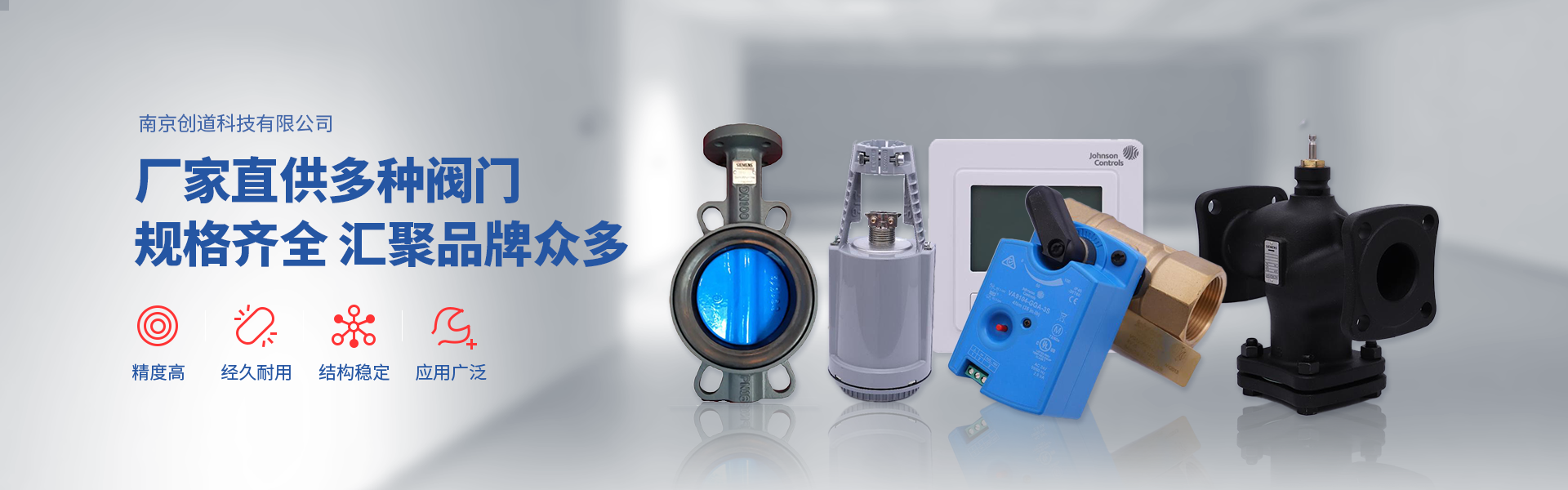

Electromagnetic regulating butterfly valves are suitable for flow regulation. Due to the significant pressure loss in the pipeline, the robustness of the butterfly plate under pipeline medium pressure when closed should also be considered. Additionally, the limitations of the working temperature on the elastic valve seat material under high temperatures must be taken into account. As a component used for pipeline system switching and flow control, it has been widely applied in many fields such as petrochemical, chemical, metallurgy, hydropower, and more. Among the known butterfly valve technologies, the sealing form mostly utilizes sealing structures with materials like rubber and polytetrafluoroethylene. Due to structural limitations, it is not suitable for high-pressure and wear-resistant industries.
The working principle of an electrically adjustable butterfly valve: Signal current from the actuator (servo amplifier) enters the electric actuator, causing it to output an angular displacement. This movement is directly transmitted to the shaft and valve body through an elastic coupling, resulting in their rotation. As the valve plate rotates within the valve body, it alters the cross-sectional area of the medium flow, thereby regulating the flow rate of the medium. Installation precautions for the electrically adjustable butterfly valve:
Please read the instructions carefully before installation.
2. Prior to installation, the valve interior should be cleaned, ensuring no debris or dirt is present. Verify that the valve's performance matches the operational conditions.
Before installation, check for loose bolts on all parts of the valve and ensure that all rotating components operate smoothly.
