

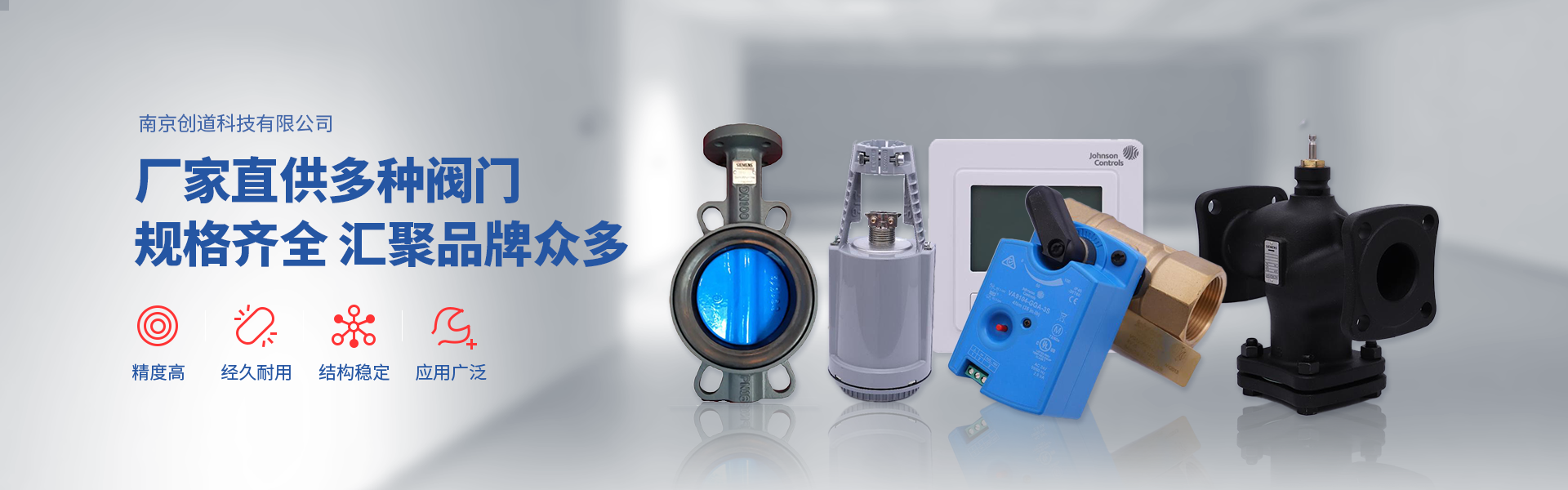

The stainless steel chlorine gas safety valve is a control component in the pipeline fluid transportation system. It is used to alter the cross-sectional area of the passage and the direction of medium movement, featuring functions such as guiding flow, cutting off, regulating, conserving, check-valving,分流, or pressure relief. Valves for fluid control range from simple cut-off valves to highly complex automated systems, with a vast variety of types and standards. The nominal diameter of valves ranges from extremely small surface valves to industrial pipeline valves with diameters up to 10 meters. Valves can control the flow of various types of fluids, including water, steam, oil, gases, sludge, corrosive media, liquid metals, and radioactive fluids. The operating pressure of valves can range from ultra-low pressure of 0.0013 MPa to ultra-high pressure of 1000 MPa, with operating temperatures ranging from ultra-low temperatures of -269°C to high temperatures of 1430°C. The control of valves can be achieved through various transmission methods, such as manual, electric, hydraulic, pneumatic, worm, electromagnetic, electromagnetic-hydraulic, electro-hydraulic, gas-hydraulic, spur gear, bevel gear drives, etc. Valves can operate based on predetermined requirements under the influence of pressure, temperature, or other sensor signals, or can simply open or close without relying on sensor signals. The valves rely on driving or automatic mechanisms to make lifting, sliding, rotating, or reversing movements of the moving parts, thereby altering the size of the flow passage to achieve their control functions.
Valves are control components in the fluid transportation system of pipelines, used to alter the cross-sectional area of the passageway and the direction of fluid movement, and possess functions such as guiding flow, cutting off, regulating, conserving, check-valving,分流, or pressure relief. Chlorine gas safety valves for fluid control range from simple cutoff valves to highly complex self-controlled systems, with a vast variety of types and standards. The nominal bore size of valves ranges from extremely small surface valves to industrial pipeline valves with a bore size of up to 10 meters. Valves can be used to control the flow of various types of fluids, including water, steam, oil, gases, sludges, corrosive media, liquid metals, and radioactive fluids. The operating pressure of valves can range from ultra-low pressures of 0.0013 MPa to ultra-high pressures of 1000 MPa, with operating temperatures ranging from ultra-low temperatures of -269°C to high temperatures of 1430°C. Yu Xuan Stainless Steel Gate Valves (Stainless Steel Valves) Key characteristics of the stainless steel gate valves: 1. The water passage cross-section is equal in width to the passage; extra-wide types can be made with double-hoist opening and closing. 2. Strong adaptability to passage depth. 3. Rubber sealing with good water-stopping function. 4. Made of stainless steel with good corrosion resistance. The applicable media for stainless steel valves are typically used in environments where the working medium is corrosive. The ability of any valve material to resist corrosion is relatively limited and influenced by many factors. If the processing and heat treatment technologies used during manufacturing are appropriate, it can ensure the corrosion resistance of the material. Regarding the concentration >98% concentrated nitric acid medium, regardless of the heat treatment process used, this type of steel does not possess corrosion resistance. Therefore, when selecting materials for chlorine gas safety valves based on the properties of the working medium, it is necessary to study the influence of factors such as the concentration, temperature of the medium, and the heat treatment process of the material on the corrosion resistance.
