


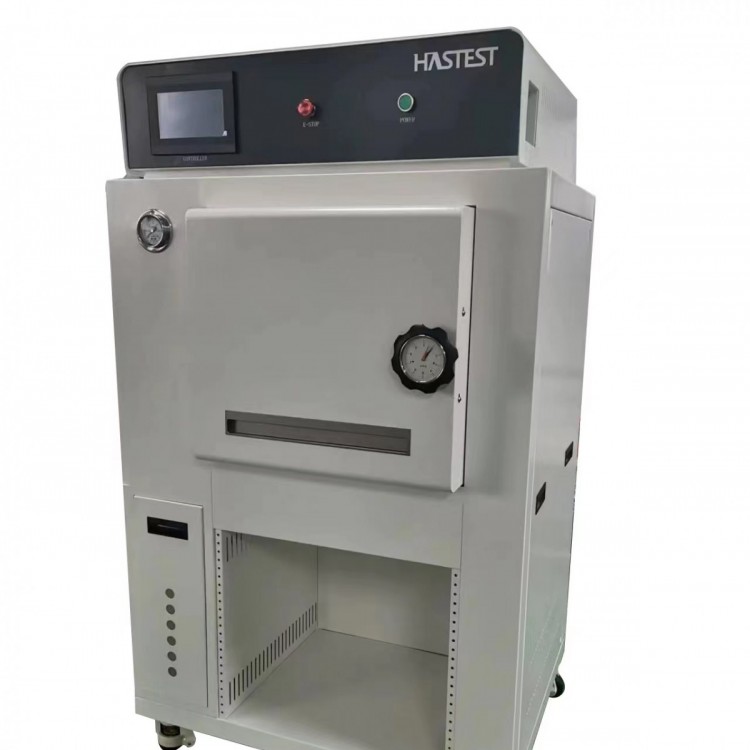
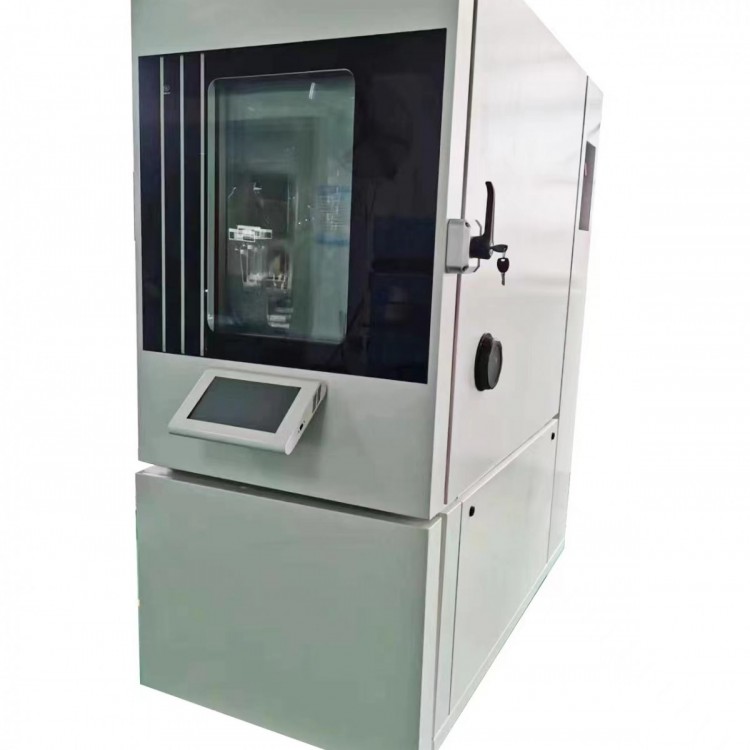
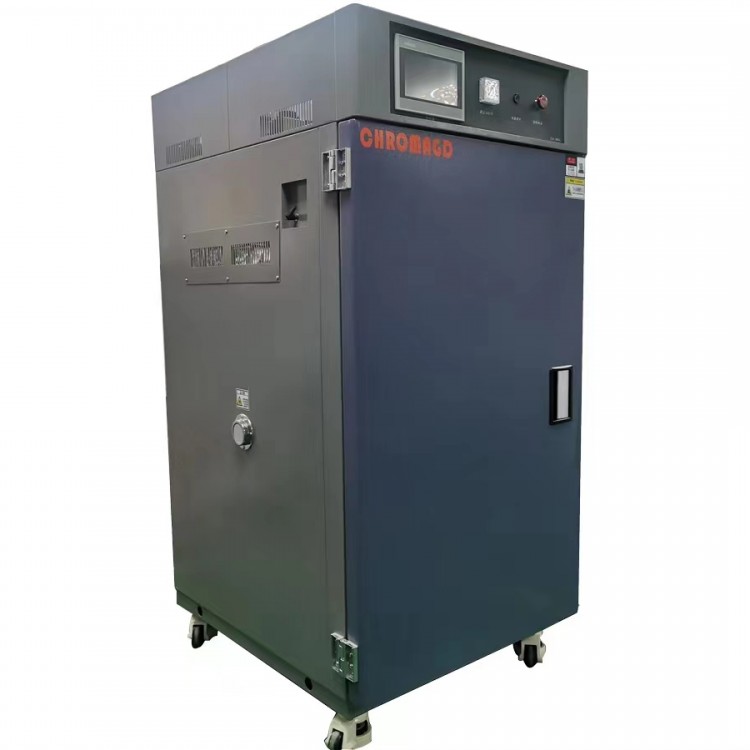
High and low temperature test chambers can be natural environment testing equipment used for performance verification of high temperature, ultra-low temperature, or high and low temperature test cycle systems. Generally applicable to fields such as electronic and electrical engineering, automotive electronics, electronic devices, communication, plastics, and rubber-plastic products, where they are widely used. They can simulate various high and low temperature climates to test complete data information, and have a certain market scope.
Test Method for High and Low Temperature Test Chambers:
High and low temperature test chambers can be divided into alternating temperature and humidity test chambers and thermal and humidity test chambers. They can conduct tests according to different test conditions and specifications, with both types of chambers upgrading their testing methods based on high and low temperatures. The alternating temperature and humidity test chamber sets a primary parameter for the required temperature, humidity, and time in one go, allowing direct operation according to the program without human intervention. In contrast, the thermal and humidity test chamber is a system that achieves humidity and heat on top of temperature, enabling simultaneous humidity testing during temperature tests, providing a more accurate simulation of environmental temperature effects.
Features of High and Low Temperature Test Chambers:
During the temperature increase process in the high and low temperature test chamber, as one of the simpler processes among all the temperature transitions, the temperature increase is conducted by the electric heater method. Therefore, the temperature of the high and low temperature test chamber is raised to the standard indicator value, and the rate of temperature increase at the same time must be within the permissible range, thus it cannot rise too quickly or too slowly.
2. In its high-temperature stable mode, once the temperature reaches the set point, it should ensure that the temperature of the test chamber remains within that range until it stabilizes at the set temperature for the required duration.
3. During the cooling process, as this is a much more complex process than the heating, and primarily achieved through the compressor, it will eventually lower the temperature to a certain standard after maintaining it for a period of time, while the cooling rate should be within the specified time frame.
4. In cases of constant low temperatures, when the temperature drops to ultra-low and stabilizes for a period, special attention must be paid to the entire process, which should be completed within 24 hours.
Name: | High and Low Temperature Humidity Test Chamber |
Temperature Range | -70℃~150℃ |
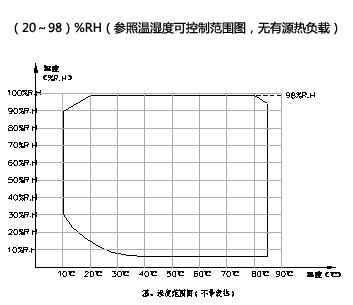
Humidity Range | 20~98%RH |
Heating Time (No Load) | -70℃~+150℃≤60 min |
Cool-down Time (No Load) | +20℃~-40℃≤60min |
Nominal Cubic Content | 408L |
Hot Load | ≤400W |
Inner Box Dimensions (mm) | D800×W600×H850 |
Dimensions (mm) Approx. | Approx. 1750x800x1850 mm |
| Power Capacity: Approximately | Approximately 12 kW |
Approx. Weight | Approximately 730 kg |