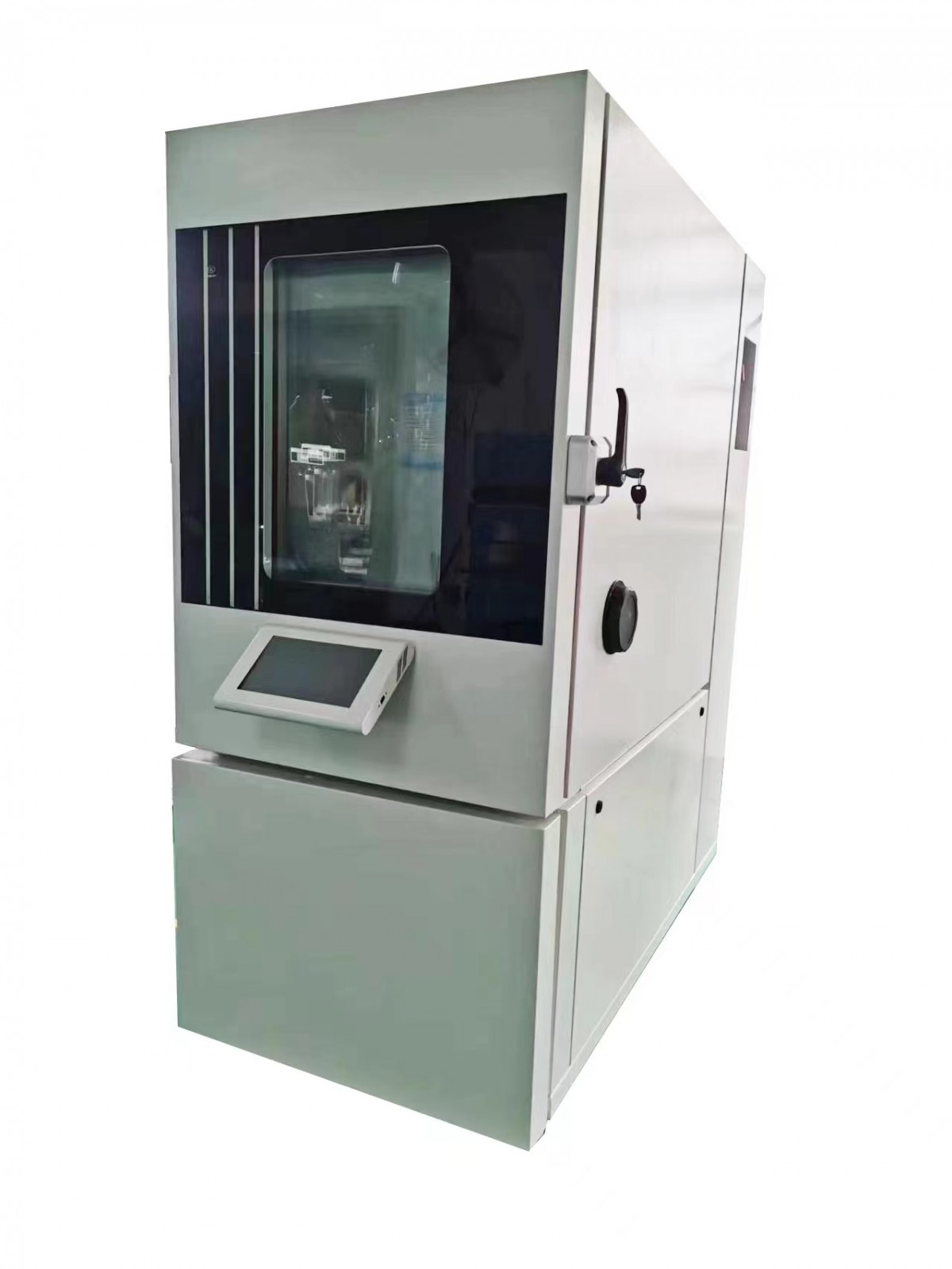


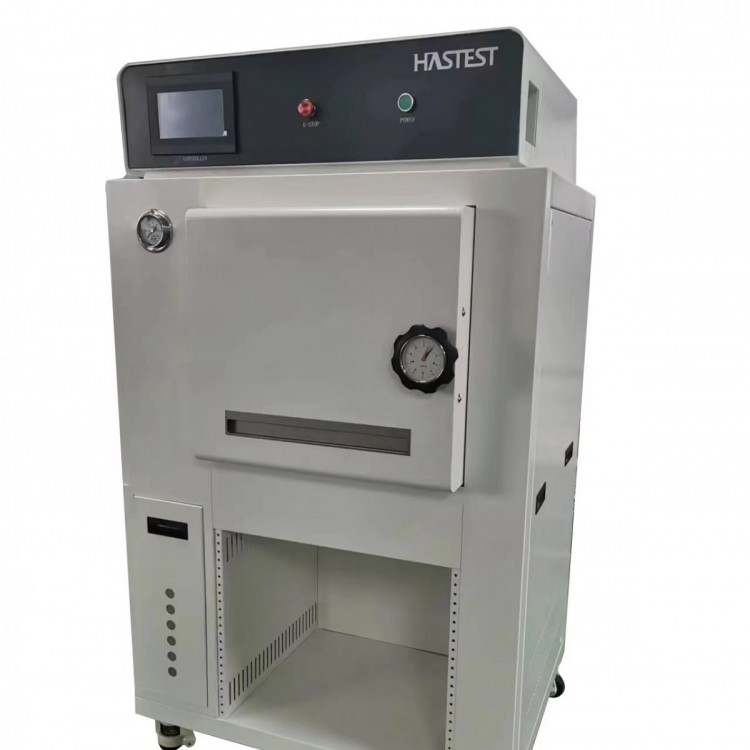

1. The temperature controller of the high and low-temperature test chamber uses imported instruments, featuring PID adjustment, SSR output, quick auto-tuning, digital display, and easy reading.
2. The box door, workshop, and housing are equipped with high-temperature-resistant sealing strips and clamping devices, effectively ensuring the box's sealing and thermal insulation properties.
3. The studio and sample rack are made of stainless steel, while the outer casing of the high and low temperature test chamber is made of high-quality cold-rolled steel coated with plastic, presenting an aesthetically pleasing appearance.
4. Features over-temperature protection, reverse current overload protection, and short-circuit protection for safe and reliable operation.
5. The refrigeration system is equipped with a brand new, fully enclosed compressor from France's "Tecumseh," ensuring the low-temperature stability of the high and low-temperature test chamber.
Routine maintenance of the high and low temperature test chamber and simple tests of its main technical specifications ensure optimal operation of the unit. Below are some points to consider for the maintenance and care of the high and low temperature test chamber:
One, The temperature and humidity in the high and low temperature test chamber are crucial factors affecting the instrument's performance. They can cause rusting of mechanical components, decrease the finish of metallic mirror surfaces, and lead to errors or reduced performance in the mechanical parts of the test chamber. It can also cause corrosion of the aluminum film on optical components such as gratings, mirrors, and focusing lenses, resulting in insufficient light energy, stray light, and noise, and even lead to the instrument ceasing to function. This can impact the lifespan of the high and low temperature test chamber, so regular calibration should be performed during maintenance and care.
In the working environment of high and low temperature test chambers, dust and corrosive gases can also affect the flexibility of the mechanical system, reduce the reliability of various limit switches, buttons, and photoelectric couplers, and are one of the causes of rust on the aluminum foil of essential components.
After a certain period of use, the high and low temperature test chamber will accumulate a certain amount of dust inside. It is advisable for a maintenance engineer or under the engineer's guidance to regularly open the test chamber's outer cover to dust the interior. Meanwhile, re-tighten the radiators of the heating elements, clean the sealed window of the optical box, calibrate if necessary, clean and lubricate the mechanical parts as needed. Finally, restore the original state and conduct some necessary inspections, adjustments, and record-keeping.
Name: | Walk-in High/Low (Humidity/Temperature) Test Chamber |
| Room Volume (m³)3) | 6.3、8.4、10.5、12.6 |
Temperature Range | High test temperature: +120℃、+150℃; Low temperature: -65℃、-40℃、-25℃、-20℃、-15℃ |
Humidity Range | (25-98)%PH/(20-85)℃ |
| Temperature Fluctuation | 0.6℃ |
Temperature Deviation | ±2.0℃ |
| Humidity Deviation | +3.0 % RH(>75 % RH) +5.0% RH(≤75% RH) |
Heating time | ±25℃+120℃(≤60min) |
Cooling Time | 30min~120mi |
Inner Box Dimensions (mm) | 2000×2100×1500 mm (Width x Depth x Height) (2000/2500/3000) |
Dimensions (mm) Approximately | Adapts according to changes in the custom internal dimensions |