


 通过中商114认证

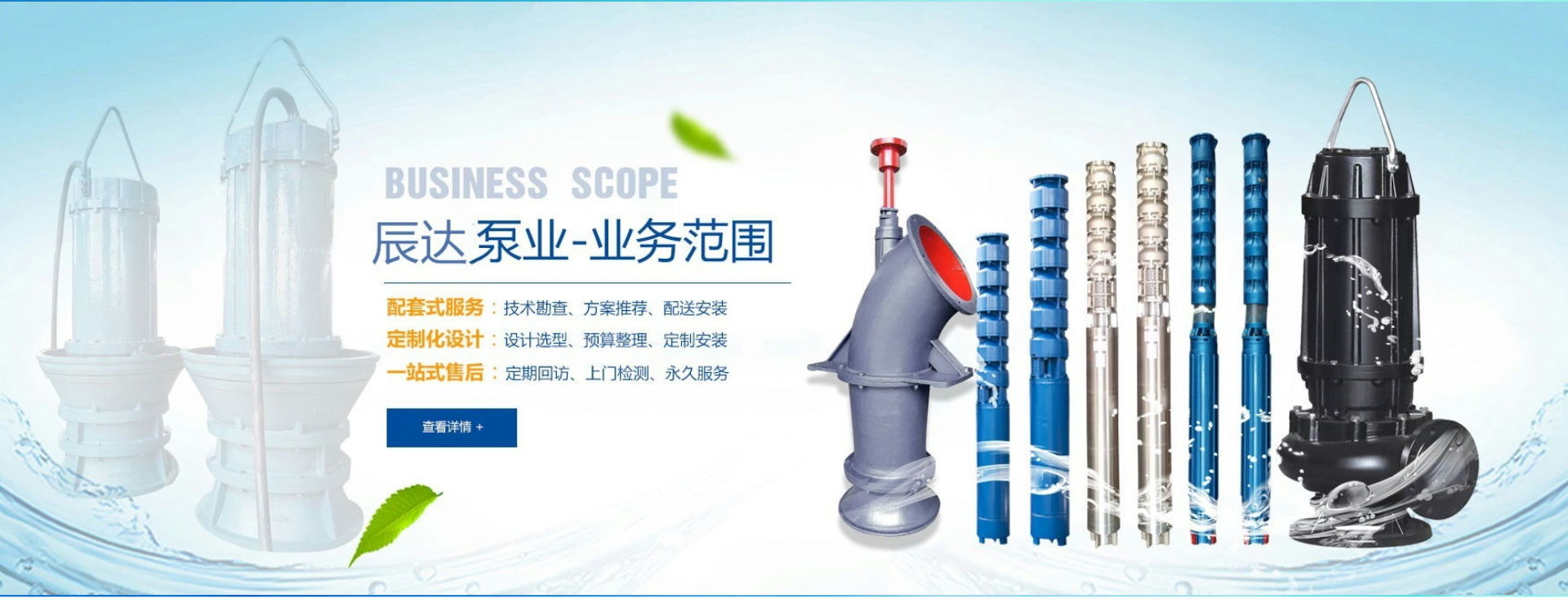
Currently, there is a significant increase in newly constructed hydraulic structures domestically. These projects often face limitations due to topographical conditions, such as steep terrain or direct water extraction from reservoirs. In such cases, the advantages of submersible well pumps become evident. To ensure the normal and reliable operation of deep-well submersible pumps, extend their lifespan, and reduce accidents during use, it is essential to strengthen maintenance and regular inspections of the submersible pumps and their control systems in daily operations, ensuring the correct application of submersible pumps in hydraulic engineering projects.
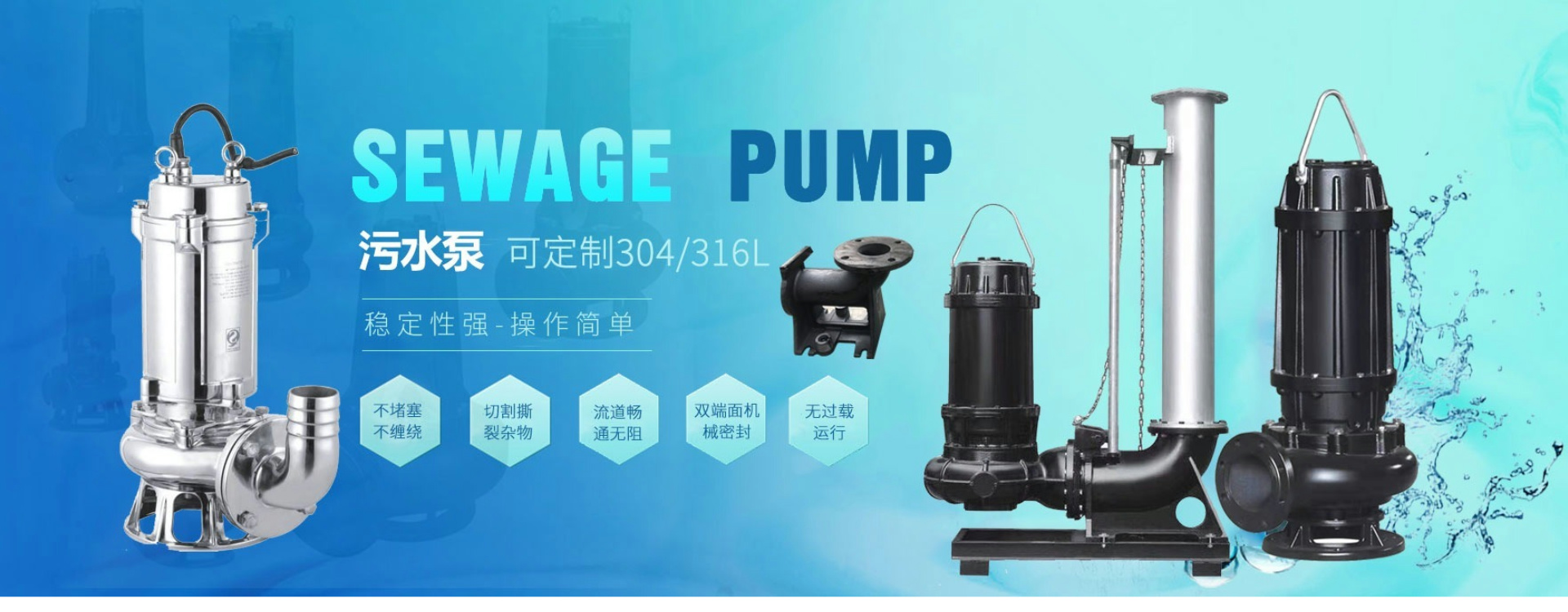
The submersible pump is a water pump that directly connects the motor with the oil-pumping unit. It operates by driving the motor shaft with a high-speed rotating impeller, which works through centrifugal force. The mechanical energy is converted into fluid energy, propelling the liquid out of the impeller's outlet. As the liquid slows down in the pump casing's diffuser, the pressure gradually increases and is then discharged through the pump outlet pipe. Designed as "tangle-free and clog-free," certain models are equipped with a tear-off device, capable of removing long fibers and strip-like materials.
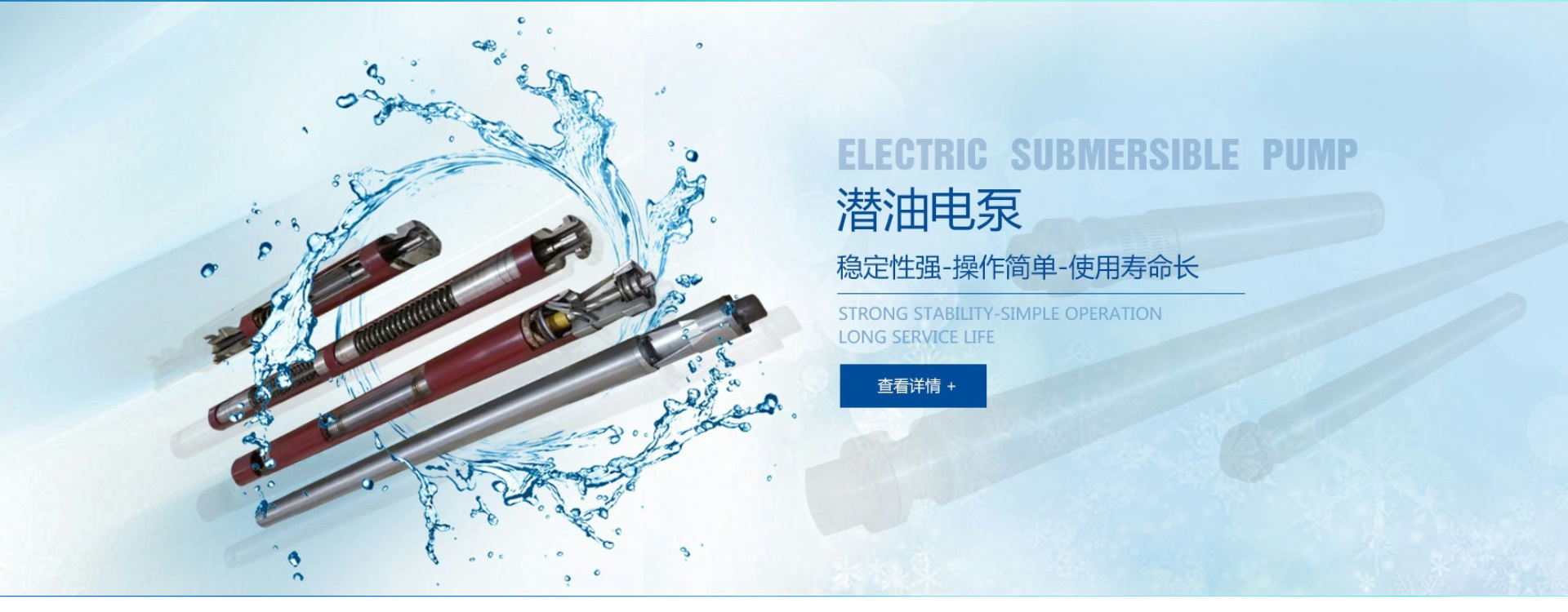
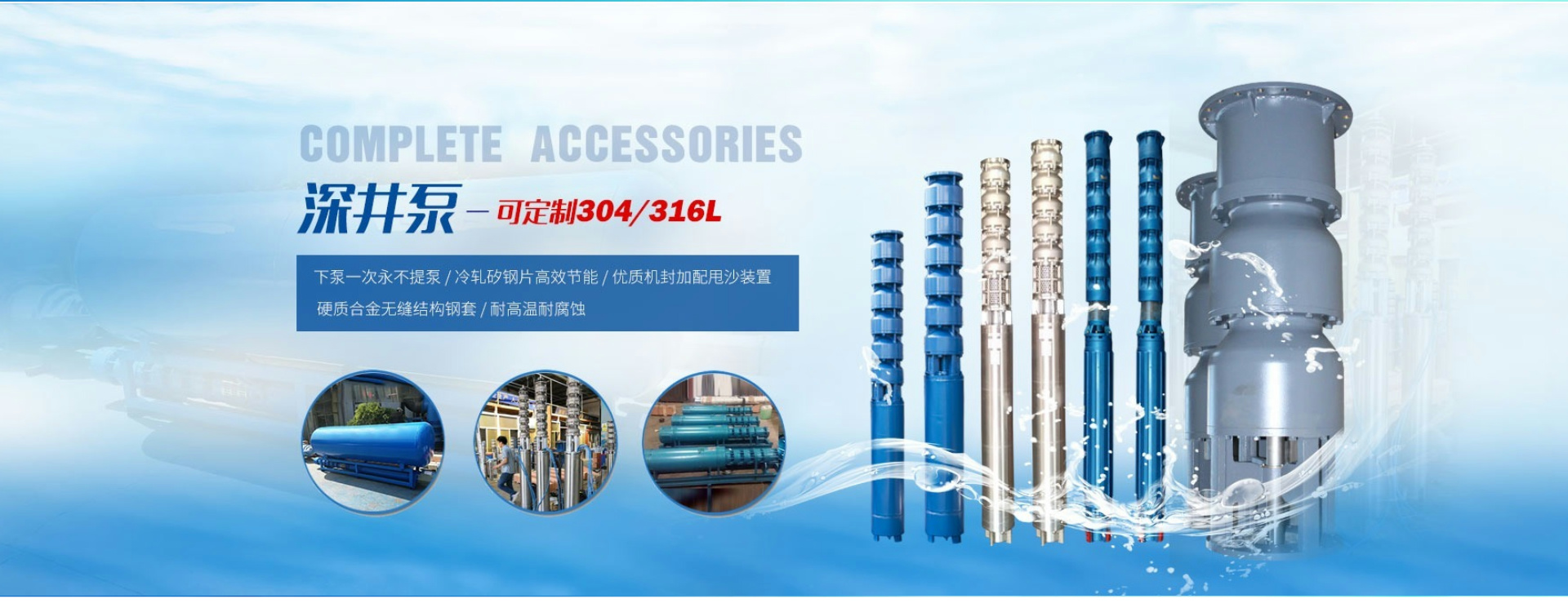
Deep well submersible pumps are a type of long shaft deep well pump, characterized by their waterproof submersible motors. In these pump units, the water pump impeller is located above the pump assembly, with the motor directly driving the impeller rotation. Unlike conventional long shaft deep well pumps, where the motor is typically situated above the flood level in a factory building, with the impeller extending into the water and driven by a connecting shaft, submersible pumps offer superior stability. Currently, many water conservancy projects both domestically and internationally are beginning to adopt well submersible pumps.
In daily operation, it is essential to regularly inspect the water meter and pump, and maintain a record. During operation, constantly check the relative insulation resistance of the motor's windings and periodically inspect grounding to prevent secure grounding. After shutting down, immediately disconnect the power supply and close the exhaust valve.
Regular maintenance checks for submersible pumps are essential, focusing on the flexibility and uniformity of the rotor's rotation, the presence of oil stains in the oil cavity; as well as the reliability and effectiveness of electrical components and connections, which generally do not require significant damage. Repairs include:
(1) Replace the mechanical oil in the oil chamber and the grease for the rolling bearings.
Check for any damage to mechanical seals.
(3) Inspect the effectiveness of the oil-water detector, float switch, and overheat element.
(4) Is the roller bearing damaged?
(5) Has the insulation resistance of the motor winding decreased?
(6) Main cable and control cable for damage assessment.
