

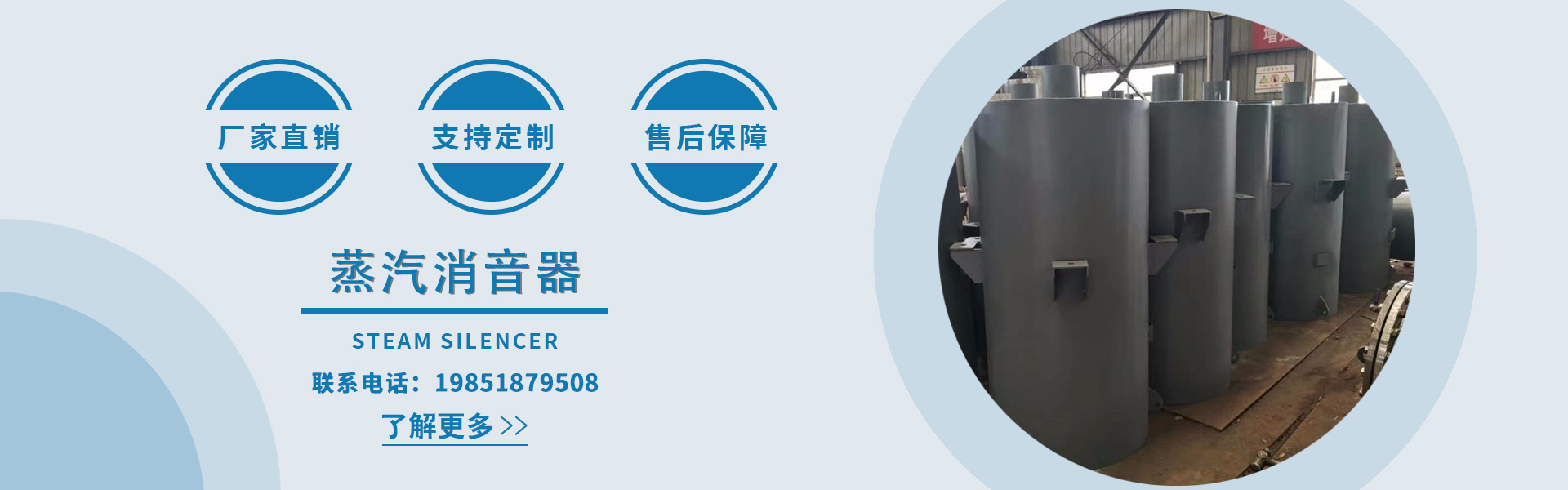


The muffler for fans utilizes resistive structures that effectively dampen high and mid-frequency noises, as well as resistive structures that dampen mid and low-frequency noises. The design is based on the actual frequency spectrum data obtained from field tests of industrial fan noise sources, determining the required noise reduction levels for the design of acoustic absorbers and fluid channels. Additionally, narrow rectangular channels with extensive acoustic material coatings are employed to enhance absorption. Furthermore, the noise sources of fans often exhibit multiple frequency values at high noise levels, with varying noise reduction requirements for different frequency bands. Therefore, this series of ventilation pipeline mufflers and exhaust fans mufflers are of impedance acoustic flow type, using resistive structures for high and mid-frequency noise absorption and resistive structures for mid and low-frequency noise reduction. High and low-frequency acoustic absorption and damping zones are also incorporated within the resistive channels to maximize the noise reduction frequency range, achieving excellent noise reduction and damping effects.
Ventilation duct silencers and exhaust fan silencers are suitable for all types of centrifugal, axial, Roots blowers, and air compressors.
Sheet-type mufflers are devices that block sound transmission while allowing air flow, serving as an important measure for eliminating aerodynamic noise. Sheet-type mufflers primarily utilize porous sound-absorbing materials to reduce noise. By fixing the sound-absorbing material to the inner wall of the airflow channel or arranging it in a certain pattern within the pipeline, a sheet-type muffler is formed. When sound waves enter the sheet-type muffler, a portion of the sound energy is frayed within the pores of the porous material, converting it into heat and dissipating it, thereby reducing the intensity of the sound waves passing through the muffler.
The surface muffler exhibits significant effectiveness in reducing high and medium-frequency noise, but it is less effective in eliminating low-frequency noise. The noise reduction level is related to factors such as the structure and form of the muffler, the shape and area of the air passage cross-section, airflow speed, muffler length, and the type, density, and thickness of the sound-absorbing material. The material and type of protective panel also greatly influence the noise reduction effect. Protective materials can be soft, porous, and breathable fabrics, such as glass fiber cloth, or perforated plates. The perforated plates used for the protective panels are typically made of thin steel plates or stainless steel plates. To enhance the sound-absorbing properties of the material, the perforation rate of the perforated plate should be greater than 20%, with a hole diameter of 3 to 10mm.
