






详情描述
We all know that every car has countless parts. Of course, as an average car owner who hasn't studied automotive knowledge, we can't possibly understand the uses and maintenance methods of all the parts. However, for driving safety, we should still be aware and concerned about some important and easily damaged parts. The editor has specially compiled a list of common and important car parts for you to save!
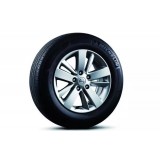
First: Tires
Replacement Cycle: 30,000 to 40,000 km
Tires are arguably the most crucial part of a car, as they are directly related to driving safety, and we cannot afford to ignore them. Generally, when a car reaches between 30,000 to 40,000 kilometers, it's time to consider replacing the tires. Of course, tire quality varies from vehicle to vehicle, so even if the car hasn't reached the mileage, cautious owners should be vigilant for any bulges or cracks on the sides of the tires. For safety's sake, it's best to replace them promptly. If the tread depth falls below 1.6 millimeters or the wear indicator marks are visible, it's no laughing matter; they must be replaced immediately.
Second: Air Filter
Replacement Cycle: 10,000 km
Air filter, also known as the "air filter" we commonly refer to, primarily serves to block dust and particles from entering the engine during the intake process. If the filter mesh is not regularly cleaned or replaced, it cannot keep dust and foreign objects out. If the engine inhales dust for an extended period, it can cause abnormal wear on the cylinder walls. Therefore, it is necessary to replace it at regular intervals. The replacement cycle for different vehicles varies naturally, so there is no absolute standard, as it depends on the amount of dust and debris the air filter absorbs. Generally, replacing the air filter annually or every 10,000 miles is advisable.
Third: Automotive Batteries
Replacement Cycle: Every 4 Years
As everyone knows, if a car battery fails to supply power properly, the engine may malfunction or stall, rendering the vehicle inoperable. Therefore, batteries should be regularly checked; under normal circumstances, they can last for over four years, and generally should be replaced after four years. In summer, it's best to check them once a week, and in winter, every two weeks. Additionally, the vehicle's condition, road conditions, and the driver's habits can all affect the lifespan of a battery-powered car.
Fourth: Engine Oil
Change Cycle: For mineral oil, it's every 6,000 kilometers or every six months.
Semi-synthetic oil is for 7,500 kilometers or 9 months.
Full synthetic oil: 10,000 kilometers or one year
First off, the editor would like to remind all car owners that when selecting motor oil, it is crucial to choose only genuine and qualified products. Only qualified motor oil can ensure the protection of the engine. Using fake or low-quality oil can lead to the rapid deterioration of the engine, which ultimately results in a loss rather than gain.
Fifth: Brake Pads
Replacement Cycle: 30,000 km
Brake pads, also known as brake linings, play a crucial role in a car's braking system as a safety component.
The quality of braking is largely determined by brake pads, so it's essential to regularly inspect them, as they directly impact our safety. Generally, brake pads wear down gradually with increasing mileage. They must be replaced when the thickness is less than 0.6 cm. Under normal driving conditions, brake pads should be changed every 30,000 kilometers.


