






详情描述
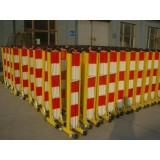
The purpose of installing a safety fence is to restrict the movement of personnel and prevent unauthorized individuals from entering, as well as to prevent workers from coming too close to live equipment during work. Therefore, when performing power-off work, if the safe distance from the live parts is less than the following values: 0.4kV - 0.1m, 10kV - 0.7m, a temporary safety fence should be installed between the work site and the live parts. In practice, when the work area for maintenance, testing, adjustment, and verification exceeds 0.7m, temporary safety fences are generally set up at the site as well. The role of these safety fences is to prevent maintenance personnel from wandering and misplacing themselves, or for outsiders to enter and approach live equipment.
What are the differences in using temporary safety barriers for outdoor and indoor power failure maintenance equipment?
The difference in the use of temporary safety barriers for outdoor and indoor power failure maintenance equipment is:
Outdoor: Enclose the equipment under power outage maintenance with temporary safety fencing (but leave a maintenance access path open). If signage is hung on the safety fencing, the sign should face inward.
Indoor: 1) Enclose energized operating equipment with temporary safety fences, and hang warning signs facing inward on the fences. For maintenance behind the power distribution panels (screens), open the mesh safety fence door or metal door behind the panel being serviced. Keep the rest of the energized operating panels securely closed and locked.
2) The back of the distribution panel (enclosure) should have a metal door or a mesh safety fence door. If there is no door, temporary safety fences should be installed on both sides of the panel (enclosure).


