
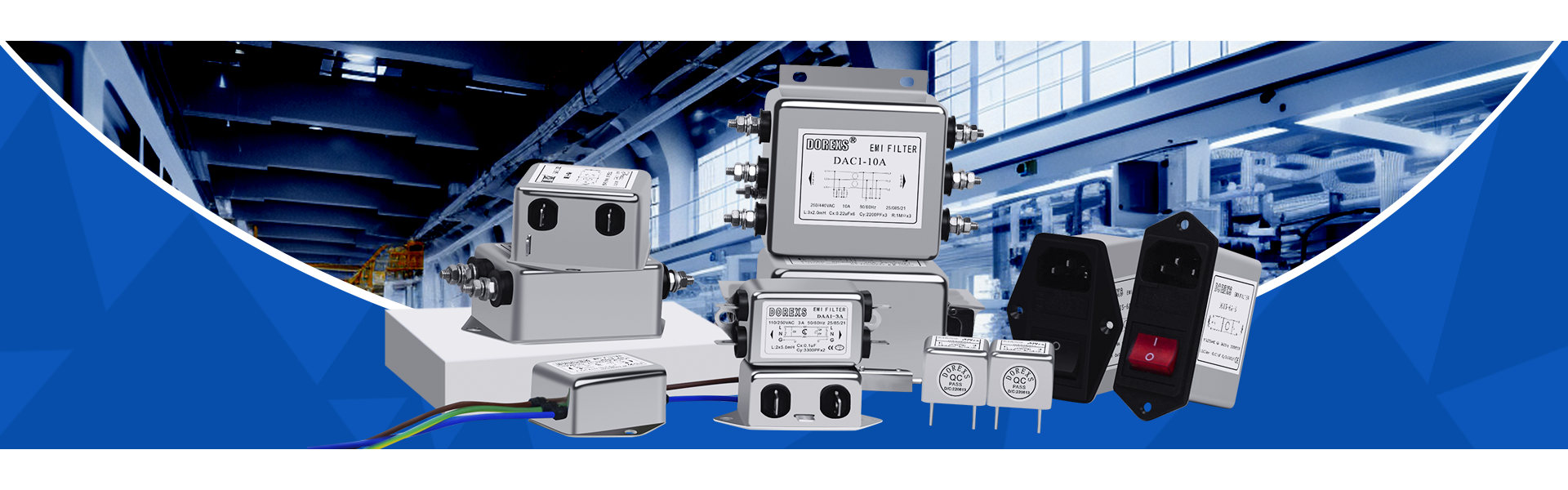

In today's modern society, electronic and electrical equipment has become an indispensable part of people's daily production and life. However, with the proliferation of such devices, electromagnetic interference (EMI) has also emerged as an unavoidable issue in engineering design. To mitigate the impact of EMI on equipment, EMI filters have become an essential method for engineers to address EMI solutions. This article focuses on the role of EMI filters and their applications in electronic devices.
What is an EMI Filter?
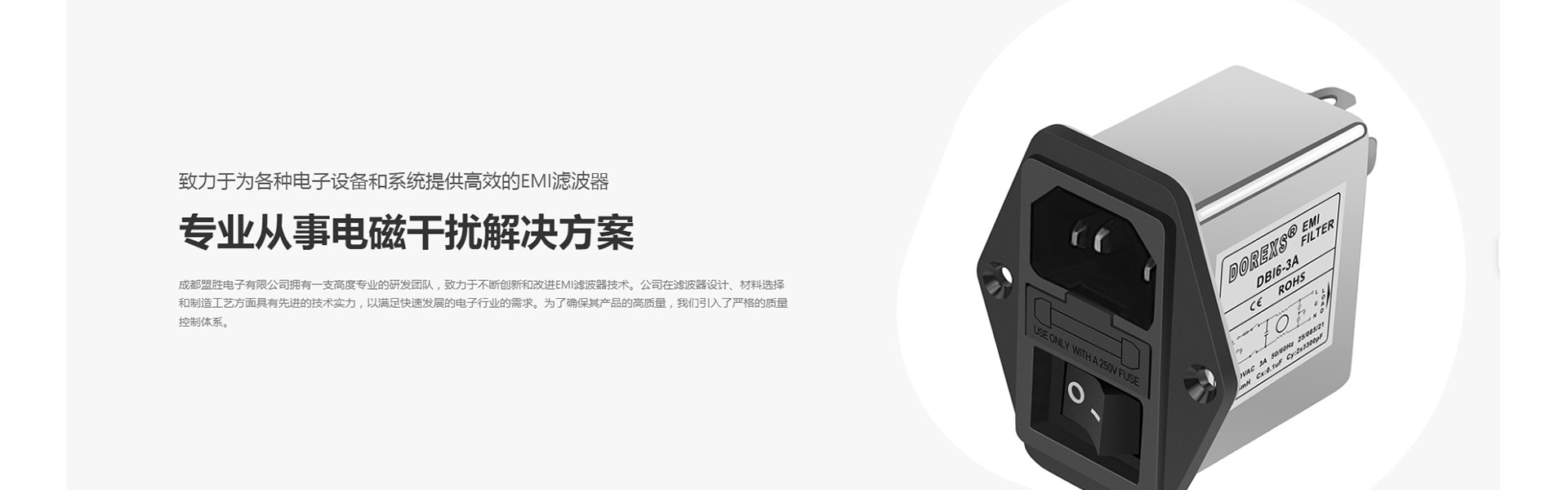
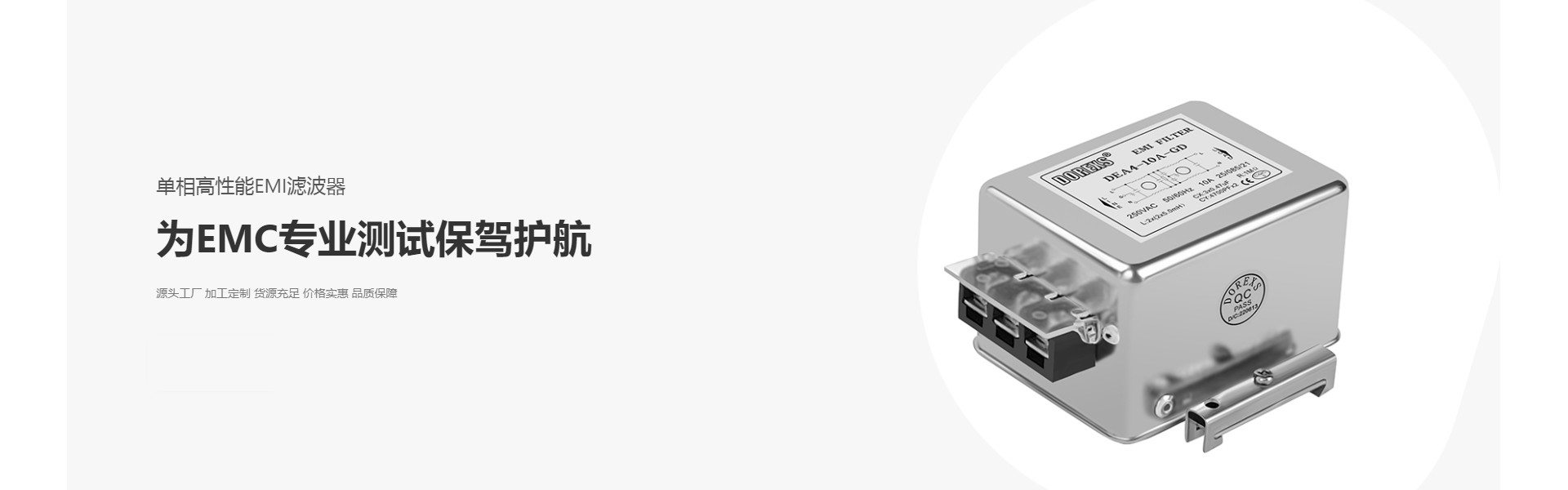
An EMI (Electromagnetic Interference) filter is an anti-EMI device that, through the design and configuration of filter circuits, removes or reduces electromagnetic noise to an acceptable level. Its function is to block unwanted high-frequency noise signals while allowing necessary low-frequency signals to pass through.
The function of an EMI filter
Suppression of Interference
Electromagnetic radiation is produced by electronic devices during operation, which can interfere with both the device itself and other nearby electronics, affecting their normal functioning. EMI filters can reduce or eliminate the generation of electromagnetic radiation, ensuring the device operates normally.
Protect sensitive components
Sensitive components within electronic devices can fail or cease operation when affected by electromagnetic noise. EMI filters can weaken the transmission of these interfering noises, preventing them from reaching the sensitive components, thereby ensuring the device operates normally and extending its service life.
Enhance Signal Integrity
Ensuring the integrity of transmitted signals is particularly crucial in communication networks and data processing. EMI filters enhance the quality and integrity of signal transmission in electronic systems by filtering out high-frequency noise.
Assist with EMC Compliance
