

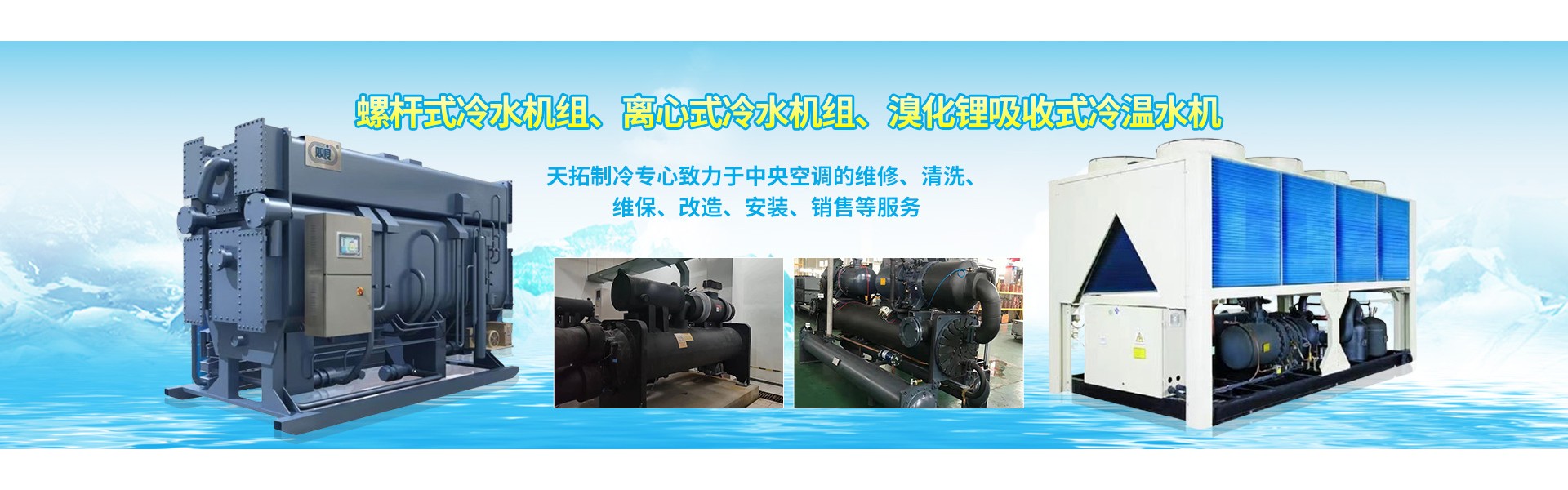


LG Lithium Bromide Unit Maintenance and Repair refers to the work of repairing and maintaining the LG Lithium Bromide Unit. Maintenance includes regular inspections and cleaning of equipment, replacing worn or damaged parts to ensure the unit's normal operation and long-term use. It also involves troubleshooting and repairing the unit, providing technical support and training to enhance the unit's efficiency and reliability. During the maintenance process, performance optimization and upgrades can be carried out to meet new requirements and improve energy efficiency. Maintenance is a crucial part of unit management, and regular maintenance can extend the unit's lifespan, reduce malfunctions, and minimize losses.
Maintenance methods for the LG lithium bromide unit mainly consist of regular maintenance and routine maintenance.
Regular maintenance includes the following steps:
Regular Cleaning: Regularly clean all internal components of the unit, including the lithium bromide solution circulation system and cooling system. During cleaning, first disconnect the supply of cooling water and lithium bromide solution, then clean with clean water and an appropriate amount of detergent, and finally rinse thoroughly with clean water.
2. Regularly replace lithium bromide solution: Replace the solution regularly according to usage and maintenance manual instructions. When replacing, ensure to drain the old solution, clean it with fresh water, and then add the appropriate amount of new solution.
3. Regular Equipment Operation Inspections: Periodically check the operation status of the equipment, including verifying that parameters such as pressure, temperature, and flow rates are normal, and inspect for any leaks or blockages.
Routine maintenance includes the following steps:
Check if the connecting rods, crankshafts, and other components are loose, and tighten them if necessary.
Check the cables and wiring of the unit for proper functioning; any breaks or loose connections should be repaired promptly.
3. Regular lubrication of the unit: Add an appropriate amount of lubricating oil or grease to the moving parts of the unit.
4. Regularly inspect and clean or replace the unit's filters.
Note that maintenance work should be performed by personnel, following the guidelines in the maintenance manual. During the maintenance process, be mindful of safe operations to avoid any accidental incidents.
The cleaning methods for lithium bromide absorption chilled water machines consist of the following steps:
Shut off the power and valves to the cold and warm water machines, and drain the water from the system.
Remove the water tank and condenser, and during the cleaning process, use a soft cloth or brush to wipe the surface of the water tank and condenser.
3. Prepare a cleaning solution. You can use a diluted acid or alkali solution for cleaning. The specific cleaning solution to use should be determined based on the material of the cold-water machine and the manufacturer's recommendations.
4. Inject the cleaning fluid into the system. You can introduce the cleaning fluid into the cold-water heater via a water pipe or other means, ensuring the liquid thoroughly covers the interior of the condenser and water tank.
5. Operate the cold-water/warm-water machine. Press the start button of the cold-water/warm-water machine to initiate the cleaning fluid circulation for a period of time. The running time can be selected based on the specific situation, with a general recommendation of over 30 minutes.
6. Drain Cleaning Fluid. Turn off the power and valves of the cold and warm water machines, and drain the cleaning fluid from the system.
7. Flush System. Use clean water to flush the condenser and water tank, ensuring thorough flushing.
8. Install the water tank and condenser. Ensure there are no leaks or loose fittings during the installation process.
9. Conduct a system check. Open the valves and power for the cold and hot water machines, and verify if the system is operating normally.
Be sure to wear protective gloves and goggles during the cleaning process to prevent the cleaning solution from contacting your skin or eyes. Additionally, the amount and concentration of the cleaning solution should be adjusted according to the specific conditions of the cold water machine, and it's best to follow the manufacturer's recommendations. If you're unsure about the cleaning method or have other questions, it's advisable to consult with an expert or contact the manufacturer of the cold water machine.
The descaling method for the dual-effect lithium bromide unit can be carried out according to the following steps:
Prepare cleaning solution: Use diluted acidic cleaning solution, such as dilute or dilute.
2. Shut down the unit: Before cleaning, make sure to turn off the unit and disconnect the power supply.
3. Clean the exterior surface: Use a soft cloth or sponge dipped in cleaning solution to gently wipe the exterior surfaces of the unit, particularly areas prone to accumulating dust and dirt.
4. Clean Filter: Remove the filter and soak it in the cleaning solution for a moment, then rinse thoroughly with clean water.
5. Clean condensers and evaporators: Gently clean the condensers and evaporators using cleaning solutions and clear water, based on the specific structure of the unit.
6. Clean syringe: Remove the syringe first, clean it thoroughly before reassembling.
7. Wash Unit: Use clean water to rinse the entire unit, ensuring that all cleaning solution and dirt are removed.
8. Drying Unit: Wipe the surface and components of the unit dry with a clean cloth or paper towel.
9. Restarting Equipment: Reconnect the equipment to the power source and restart it following the correct procedure.
Please be cautious when cleaning the lithium bromide unit; avoid letting the solution enter sensitive components and circuits to prevent malfunctions. If you are unsure of your operational abilities, please consult with a technician for assistance.
The maintenance methods for the dual-mercury bromide unit generally include the following steps:
1. Fault Diagnosis: A thorough inspection and testing of the lithium bromide unit is required first to identify the cause and location of the fault. Thermometers, pressure gauges, and other testing equipment can be used to measure parameters such as the unit's temperature, pressure, and flow.
2. Maintenance Plan Development: Based on the fault diagnosis results, develop a detailed maintenance plan. This includes listing the parts and materials that require repair or replacement, and determining the timeline and sequence of the maintenance.
3. Maintenance Operations: Begin executing maintenance operations as per the maintenance plan. This may include disassembling, repairing, or replacing damaged parts, as well as cleaning and adjusting the unit.
4. Maintenance Testing: After completion of the repair, testing and tuning are required to ensure the equipment operates smoothly. This may involve checking parameters such as temperature, pressure, and flow, and making necessary adjustments and calibrations.
5. Maintenance Records and Documentation Organization: After completing the repair, it is essential to promptly organize records and documents, including inspection data during the repair process, maintenance operations, and results. This aids future repair and maintenance efforts.
Note that maintenance of the Bromine-Lithium Unit by Shuangliang involves high pressure, high temperature, and chemicals. Operators must possess the necessary skills and knowledge and take appropriate safety measures to ensure the safety of the work. Additionally, in the event of complex malfunctions or the need to replace critical components, it is recommended to seek technical support for repairs.
Key features of the maintenance and service of LG lithium bromide units include:
The lithium bromide unit utilizes a refrigeration technology characterized by energy-saving features. Consequently, maintenance efforts are primarily focused on performance tuning, fault rectification, and system optimization of the unit.
2. LG lithium bromide units are typically maintained by trained technicians who possess extensive experience and knowledge, enabling them to quickly identify and resolve any unit malfunctions.
3. Maintenance personnel will conduct regular inspections of the equipment to ensure its proper operation. This includes checking parameters such as pressure, temperature, and flow, as well as cleaning the filters and heat exchangers of the equipment.
4. LG Lithium Bromide unit maintenance and repair also includes regular replacement of the unit's filter cores and fluid injectants to ensure normal operation and refrigeration performance. Maintenance staff will plan and execute maintenance schedules based on actual conditions.
5. Maintenance personnel will also inspect and maintain the control system of the unit to ensure the system's stability and reliability. They are capable of upgrading the unit's software and control algorithms to enhance the unit's performance and energy efficiency.
In summary, the maintenance and repair characteristics of the LG Lithium Bromide unit are reliability and energy efficiency. The maintenance work aims to ensure the normal operation of the unit, extend its service life, and enhance its performance and energy efficiency.
Baoding Carrier Lithium Bromide Unit Maintenance and Service
