

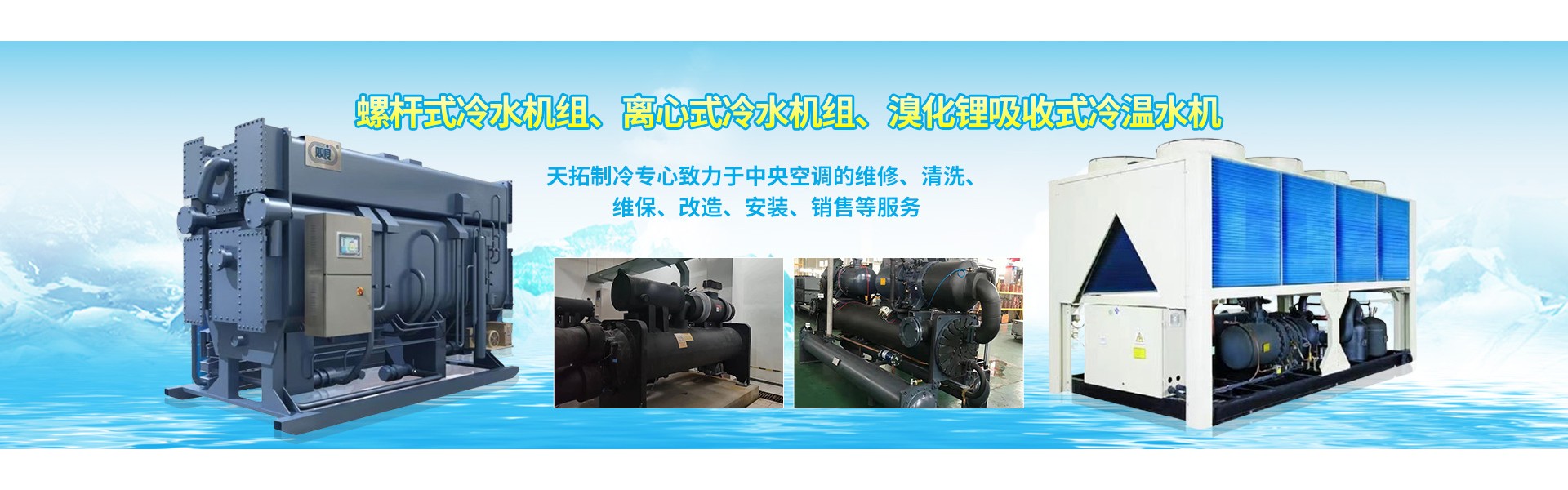


The requirements for cleaning screw-type refrigeration units include the following aspects:
Regular Cleaning: Cleaning should be performed regularly according to the equipment's usage requirements, generally recommended at least once a year. If the environment is dirty, usage is frequent, or cooling efficiency significantly decreases, more frequent cleaning may be necessary.
2. Select the appropriate cleaner: Use a cleaner that meets the manufacturer's specifications for refrigeration equipment, avoiding overly harsh chemicals to prevent damage to the equipment.
3. Cleaning Procedure: First, turn off the unit's power and remove the unit's housing. Then, apply or soak the cleaning agent on parts of the refrigeration unit such as the screw, condenser, and evaporator. After the cleaning agent has fully acted, rinse with clean water to ensure thorough cleaning.
4. Regular Inspection: After cleaning, check all parts of the unit for cleanliness, ensuring no dirt or residue remains, and for any signs of damage or blockages. If any issues are found, they should be addressed promptly with repairs or replacements.
5. Safety Measures: Pay attention to personal safety during the cleaning process, avoid direct contact with cleaning agents, and use appropriate gloves and other personal protective equipment.
Be mindful that cleaning a screw-type refrigeration unit is a task that requires expertise. If you lack the necessary technical knowledge and experience, it's advisable to hire a refrigeration equipment repair company or a technician for the cleaning.
The maintenance methods for Fusheng screw compressors are as follows:
Inspect the compressor's exterior and connecting components to ensure there are no loose or damaged parts.
Check the oil level and add or replace lubricant if necessary. Also, inspect for impurities or contaminants in the oil and clean if required.
3. Inspect the cooling system to ensure the cooler is not blocked or clogged, and confirm that the cooling water flow is normal.
4. Inspect the compressor's electrical system, including power lines, control panel, and electrical components, to ensure proper connections and no malfunctions.
5. Check the compressor's temperature and pressure sensors to ensure proper operation and calibration.
6. Inspect the sliding surface and sealing surface of the screw compressor, ensuring no severe wear or damage. Replace if necessary.
7. Inspect the compressor's exhaust valve and lubricating oil valve to ensure they are functioning properly and are not clogged.
8. Conduct operational tests on the compressor to verify that parameters such as pressure, temperature, noise, and vibration are within normal ranges.
9. Regularly clean and maintain the compressor's air filter and carburetor to ensure optimal performance.
10. Regular maintenance and repairs, including oil changes, inspection of seals, calibration of temperature and pressure sensors, etc.
Please note that the aforementioned methods are for reference only. Specific repair steps and procedures should be carried out according to the actual situation and the manufacturer's instruction manual. If you are not familiar with the repair process, it is imperative to seek assistance from a technician.
Maintenance methods for screw-type central air conditioners mainly include the following aspects:
Perform regular inspections of the screw unit at regular intervals, including cleaning internal parts and external surfaces, checking for any leaks or oil leakage issues, and conducting necessary repairs and replacements.
Regularly clean and replace air filters to maintain air quality and circulation efficiency.
3. Inspect the refrigerant in the cooling system to ensure proper operation. Add or replace refrigerant as needed to prevent a decline in the system's cooling efficiency.
Regularly inspect and clean the condenser and evaporator pipes and fins to prevent dust and dirt from blocking and affecting the heat exchange efficiency.
5. Regularly inspect the electrical wiring of the screw unit, including cables, switches, and terminal connectors, to ensure proper operation without any looseness or short circuits.
6. Regularly inspect and lubricate the bearings and transmission components of the screw unit to ensure smooth and safe operation.
7. Train maintenance staff to enhance their operational skills and maintenance knowledge of screw compressor units and related equipment, thereby improving maintenance effectiveness.
Here are some basic principles for the maintenance and repair of screw-type central air conditioning systems. Specific maintenance measures may vary depending on the model of the equipment and its usage, so it is recommended to follow the instructions in the equipment manual and maintenance guide. Additionally, maintenance work should be carried out by qualified technicians to ensure safety and reliability.
The maintenance methods for the Fusheng screw compressor include the following aspects:
Clean Filters: Regularly clean filters to ensure impurities in the air do not enter the screw compressor and affect its performance.
2. Inspect the cooling system: Regularly check the operation of the cooling system, clean the cooler, and replace the coolant promptly.
3. Inspect lubricating oil: Regularly check the quality and oil level of the lubricating oil to ensure the proper functioning of the lubrication system. Replace the lubricating oil according to the manufacturer's specifications.
4. Inspect the compressor's operation: Regularly check the compressor's operational status, such as verifying current, temperature, and vibration levels for normalcy, to ensure proper functioning.
5. Clean the compressor housing: Regularly clean the compressor housing to prevent dust accumulation, which can affect its heat dissipation performance.
6. Regular Maintenance: Perform regular maintenance as required by the user manual, including cleaning and replacing parts.
Please ensure to disconnect the power source before performing maintenance, and operate according to the instructions in the user manual. If necessary, professional technicians should handle maintenance and care.
The maintenance methods for York screw compressor units include the following steps:
Check fault codes: First, check if there are any fault codes displayed on the control panel or screen of the unit. This will help you determine the nature and location of the fault.
2. Verify power supply: Ensure the power supply to the unit is normal. Check the power lines, plugs, and fuses for proper functioning, as well as for any power interruptions.
3. Clean Air Filters: Regularly clean or replace the air filters on the unit. Dirty filters can affect the unit's performance.
4. Inspect the condenser and evaporator: Regularly clean the condenser and evaporator to ensure optimal heat exchange performance. Use a soft brush and compressed air for cleaning these components.
5. Inspect the Compressor: Check the compressor's operation to ensure it is functioning properly. If abnormal noises or vibrations are detected, repairs or replacement may be necessary.
6. Verify refrigerant level: Check if the refrigerant amount in the unit is sufficient. Both insufficient or excessive refrigerant can affect the unit's performance, requiring timely adjustment.
7. Inspect sensors and control systems: Check the unit's sensors and control systems to ensure they are functioning properly. In case of malfunctions, recalibration or replacement may be required.
8. Inspect Pipes and Valves: Verify that the unit's pipes and valves are functioning properly. In case of leaks or abnormal valve operation, repairs or replacements are required.
Please note that if you are not familiar with the maintenance of the York screw machine unit, it is advisable to have a technician perform the maintenance to ensure safe and effective repairs.
The steps for cleaning a screw-type refrigeration unit are as follows:
Shut down the unit: Firstly, turn off the screw-type refrigeration unit and disconnect the power to ensure safety.
2. Clean Condenser: The condenser is an important part of the unit that requires cleaning. Use appropriate cleaning agents and high-pressure water to thoroughly clean dust, oil, and bacteria from the condenser surface.
3. Cleaning the Evaporator: The evaporator is the part of the refrigeration system that facilitates heat exchange. Use the appropriate cleaning agent and high-pressure water to thoroughly clean the reaction products, salts, and bacteria from the evaporator surface.
4. Cleaning Cooling Towers: Cooling towers are crucial for condensate water cooling and should be cleaned regularly. Use suitable cleaning agents and high-pressure water to thoroughly clean accumulated debris, algae, and sediments within the cooling tower.
5. Filter Replacement: The screw-type refrigeration unit's filter requires regular replacement to ensure air quality and normal operation of the unit. Replace the filter inside the unit as recommended by the manufacturer.
6. Inspect wires and junction boxes: Ensure the wires and junction boxes of the screw-type refrigeration unit are intact and damage-free. Replace or repair as necessary.
7. Restore Equipment Operation: After completing the above cleaning steps, recheck that all parts of the equipment are properly installed and restart the equipment to ensure it operates normally.
Note: The cleaning of screw-type refrigeration units should be performed by trained technicians to ensure safety and effective cleaning.
Langfang HanZhong Screw Compressor Maintenance
