

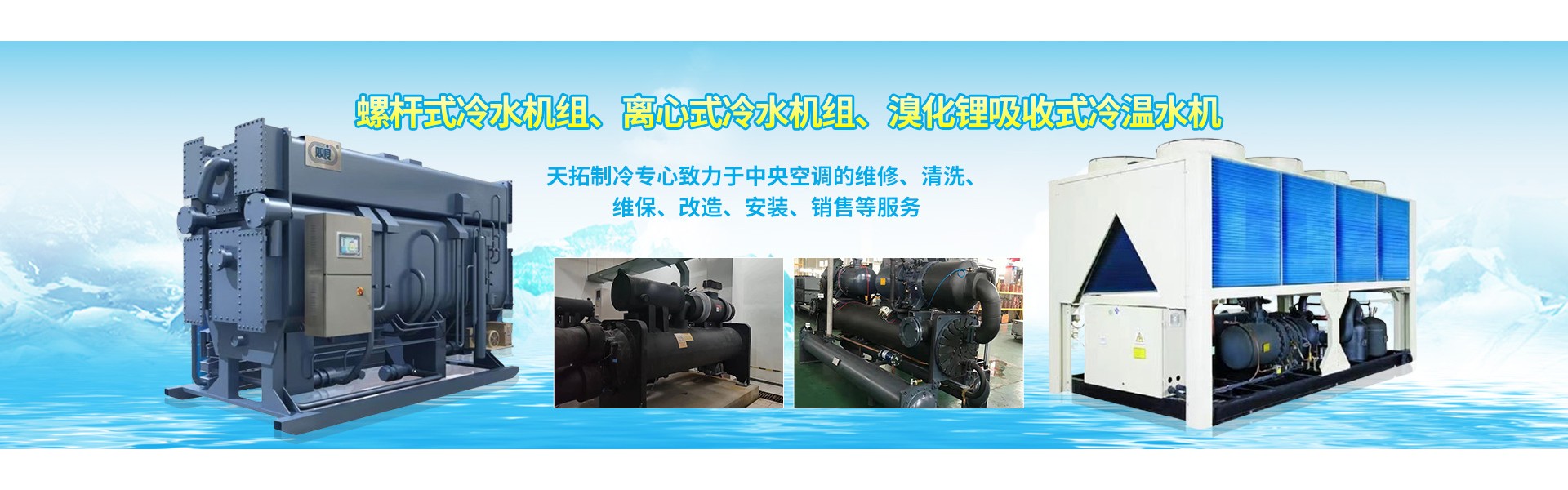


The requirements for cleaning screw-type water source heat pumps include the following:
Preparation before cleaning: Confirm that the heat pump system is turned off and the power is disconnected. Ensure that all water in the system is drained, and use an appropriate method to expel the water.
2. Selection of Cleaning Fluid: Choose an appropriate cleaning fluid, which can be water and detergent or a specialized cleaning agent. Select the concentration and type of cleaning agent based on the dirt condition inside the heat pump.
3. Cleaning piping and heat exchangers: Inject cleaning fluid into the heat pump interior using appropriate tools (such as water, brushes, etc.), then drain the soiled cleaning fluid out through the outlet. Repeat this cycle multiple times until the drained cleaning fluid becomes clear.
4. Post-Washing Treatment: After washing, all cleaning fluids must be drained, and the system should be checked for leaks or other issues. Once confirmed that the system is in normal working condition, the heat pump can be restarted.
Be mindful of safety during the cleaning process, select the appropriate cleaning agent, and follow the instructions provided. Additionally, if the cleaning does not effectively remove the dirt, it is recommended to seek assistance from a maintenance technician.
The cleaning methods for screw-type water chillers typically include the following steps:
1. Power Off: First, disconnect the power to the chiller unit, and ensure the equipment remains off during the cleaning process for safety.
2. Material Preparation: Prepare the necessary tools and materials for cleaning, such as detergents, cleaning brushes, and cleaning sprays.
3. Disassembly: Remove the outer cover and necessary components of the chilled water unit according to the equipment manual or personnel instructions to expose the internal components.
4. External Cleaning: Use a cleaning brush or cleaning spray to clean the exterior of the cold water unit, particularly the fins and condenser areas, to remove accumulated dust and debris.
5. Clean the interior: Use detergent to clean the interior of the chilled water unit, particularly the key components such as the screw compressor, cooling tower, and pump. This can be achieved by injecting the detergent into the equipment and running it for a period, then draining it out. Repeat this process until the interior is clean.
6. Rinse: Use clean water to rinse after washing, ensuring that all detergent and dirt are thoroughly removed.
7. Assembly: After cleaning, reassemble the disassembled parts onto the chillers and ensure they are securely fastened.
8. Inspection: After cleaning, restart the chilled water unit and perform an inspection to ensure the equipment operates normally without any abnormalities.
Above is the general method for cleaning screw-type chillers; please refer to the manual or consult with staff for specific procedures. During operation, ensure personal safety and follow relevant operational guidelines.
Maintenance methods for screw ground-source heat pumps mainly include the following aspects:
Clean Filter: Regularly clean the filter in the ground source heat pump to remove dust and impurities from the air, ensuring smooth air circulation.
2. Check refrigerant: Regularly inspect the pressure and water temperature of the refrigerant in the ground-source heat pump to ensure normal refrigerant circulation and good cooling performance.
3. Inspect Water Pumps: Regularly check the water pumps in ground-source heat pumps to ensure they are operating normally and the water flow is unobstructed.
4. Clean External Components: Regularly clean the external components of the ground-source heat pump, such as the fins and fans, to ensure optimal heat dissipation.
5. Regular Maintenance: Schedule technicians to perform regular maintenance on the ground-source heat pump, checking the electrical and control systems for proper operation.
Please note that the above methods are for reference only. The specific maintenance methods should be determined based on the model and operating conditions of the ground-source heat pump. We recommend that you thoroughly read the product manual or consult with an expert before using the ground-source heat pump to ensure proper maintenance and operation procedures.
The cleaning method for screw-type water source heat pumps is as follows:
Turn off the heat pump system and disconnect the power.
2. Open the heat pump unit's housing and locate the screw compressor and heat exchanger.
3. Clean the screw compressor and heat exchanger surfaces with compressed air or a water wash system. Be cautious not to collide or damage the internal components.
Check all cooling water pipes and connections for blockages or leaks and repair them promptly.
5. Clean the water source using high-pressure water or cooling tower cleaning equipment to thoroughly flush out silt and dirt from the water source.
6. Regularly inspect and replace the water source filter to prevent dirt from entering the heat pump system.
After cleaning, recheck the system for any leaks to ensure all connections are sealed properly.
8. Restart the heat pump system and conduct a test run to observe if it operates normally.
Be reminded to strictly follow the safety operation procedures when performing cleaning operations to ensure your safety and the normal operation of the equipment. For more extensive cleaning or maintenance and repair of the heat pump, please consult a technician.
The maintenance methods for Carrier screw compressor units include the following points:
Regularly inspect the condenser and evaporator of the screw unit for scaling and clogging issues, and clean them accordingly. Use specialized cleaning agents or acid washing solutions, following the instructions provided in the product manual.
2. Inspect the fins of the condenser and evaporator for any damage or bending; if necessary, replace or repair them promptly.
3. Clean and replace the air filters. Air filters should be cleaned or replaced regularly to ensure air quality and the normal operation of the screw unit.
4. Inspect and secure the wire and pipe connections of the screw assembly, ensuring they are stable and reliable.
5. Regularly inspect and maintain the lubrication system of the screw unit. This includes adding lubricating oil, cleaning dirt from the lubrication system, and replacing or adjusting components within the system.
6. Annually or at each operational quarter, perform necessary replacements of parts, cleaning, calibration, and adjustments based on the lifespan and operating environment of the screw unit.
Remember to shut off the power to the unit before each maintenance to ensure safe operation. Additionally, it is recommended to follow the manual for the Carrier screw unit or seek assistance from a professional to ensure the maintenance procedures are carried out correctly.
The steps for repairing Bitzer screw compressors mainly include the following aspects:
1. Fault Diagnosis: First, it's necessary to inspect and test to locate the issue. Pressure and temperature measuring instruments can be used for inspection to determine the fault point.
2. Disassembly Components: Components need to be removed based on the fault point, which may include the compressor's housing, slide rod, slider, gears, etc.
3. Cleaning and Inspection: After dismantling the components, they need to be cleaned and inspected to ensure there are no impurities or damages. Cleaning agents and brushes can be used for the cleaning.
4. Replace Faulty Parts: If damaged or worn-out components are found, they should be replaced promptly, usually requiring the use of appropriate tools and equipment.
5. Assembly and Adjustment: After replacing the faulty parts, the components need to be reassembled. During assembly, attention must be paid to the correct placement and installation sequence of the accessories. After assembly is complete, some adjustments may be necessary to ensure the normal operation of the compressor.
6. Testing and Tuning: After the repair is completed, perform necessary testing and tuning to ensure the compressor's performance and operational stability. Pressure and temperature measuring instruments can be used for testing.
These steps may vary depending on the specific compressor model and repair requirements. Therefore, it's advisable to consult the relevant repair manual or seek advice from an expert before proceeding with the repair. Additionally, to ensure safety and prevent further damage, it is recommended to entrust the repair work to qualified technicians.
Jinan Screw-Type Water Source Heat Pump Cleaning
