

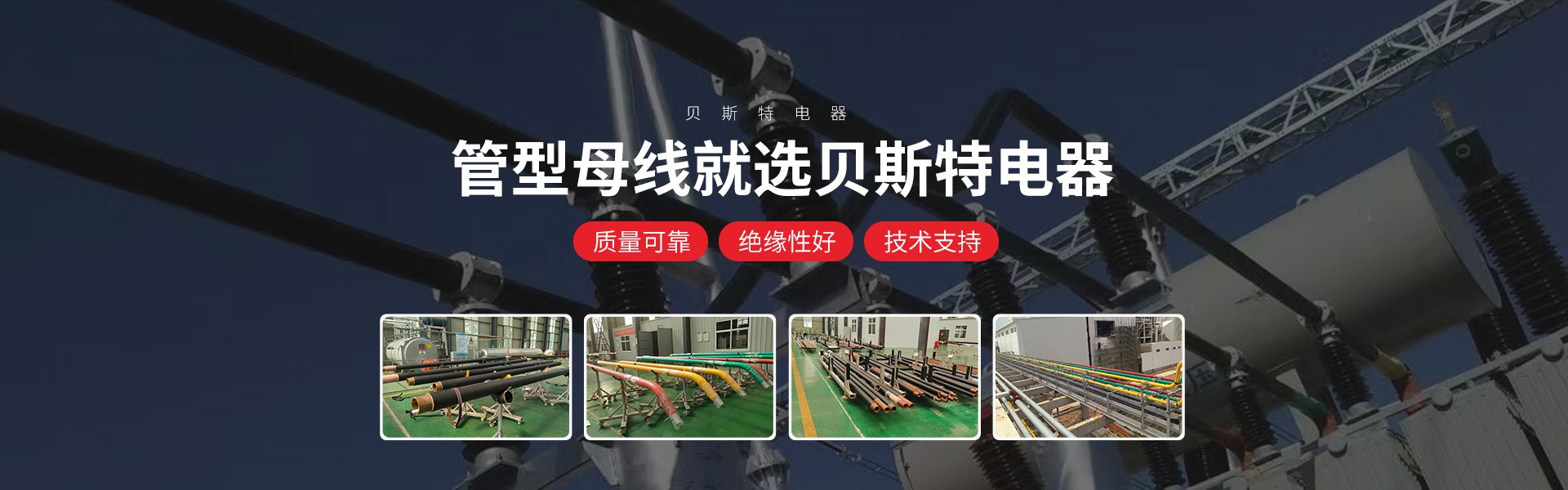

Busbar accessory kits include connector boxes, connectors, elbows, flange ends, cable entry boxes, busbar end caps, horizontal brackets, spring brackets, flexible joints, expansion joints, tees (T connections), elbows (both horizontal and vertical), and not all items are used on every project. This depends on the situation.
The low-voltage dense busway is composed of components such as straight sections, elbows, tees, flanges, cable junction boxes, terminal seals, and connector boxes. Connectors are typically included in the pricing of straight sections, although some manufacturers quote them separately. Straight sections, elbows, tees, flanges, cable junction boxes, terminal seals, connector boxes
Connect copper plates, insulating boards, and insulated through-bolts
Generally refers to spring brackets, busbar connectors, copper busbars, and plug-in boxes.
The bracket serves as a buffer for the busbars when connected, and the connector is used for the actual connection.
The connection point where the cabinet frame is connected to the busbar.
The junction box is made according to the requirements on the drawing for power extraction purposes.
Busbar slot accessories can be divided into two categories: scale accessories and optional accessories.
Scale accessories refer to auxiliary components provided randomly. Although the scale configurations for different models vary, common components include memory and paper trays. Naturally, the size of the memory and the capacity of the paper tray differ for various models. The scale configuration can be understood by consulting the product manual. Lack of scale accessories can, to some extent, affect the use and functionality of the product.
Optional accessories refer to parts that can enhance product functionality and improve performance, which are sold separately. Unlike the standard configuration, the basic functionality of the product is not affected by not using optional accessories. There are many types of optional accessories, and the available options vary depending on the product. Therefore, it's advisable to consult the product manual before purchasing to ensure compatibility.
Busbar槽配件' Applications in Various Locations
Busbars should be laid horizontally with support points not exceeding 2.5 meters apart; when installed vertically, specialized attachments should be used for support at the floor level. For vertically installed busbars, a bracket should be used to secure the in-line box and the end when suspended.
When the straight laying length of a busbar over 40 meters, a compensating joint should be installed. At the points where the busbar crosses the expansion or settlement joints of buildings, the mechanical joints of busbar channel accessories should be processed with measures adapted to the movement of the building structure. The connecting points of the HIPS sheet material enclosed busbar should be located at safe, reliable, and convenient places for installation and maintenance. The connection of the enclosed busbar should not be set at locations passing through floors or walls. When passing through firewalls and fire-resistant floors, fire-resistant isolation measures should be taken. The interface between busbars and electrical equipment wiring should be cleaned and coated with electrical composite grease.
News Center Co., Ltd.
