

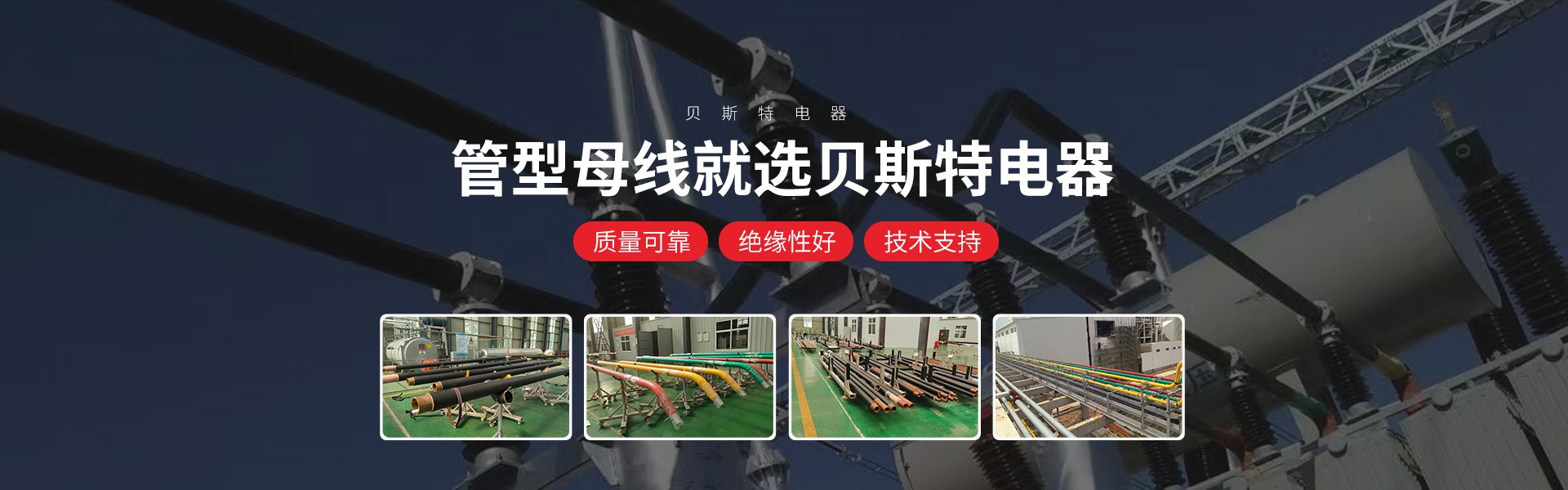

Busbar accessory conductors are generally made of materials such as copper, aluminum with copper coating, aluminum, and copper-clad aluminum. Currently, most projects in our country prefer copper, while in South Korea, Europe, and the United States, the use of aluminum conductors has been increasing over the past two years. Why do we and other countries choose different materials? The reason is that before 2003, the price difference between copper and aluminum per ton was only a few thousand yuan, making the cost difference between using copper and aluminum negligible. Since aluminum conductors require nearly double the casing and insulation materials, the price difference is also minimal, and there's no significant advantage to choosing either copper or aluminum. Therefore, most projects opting for copper conductors at that time was a correct choice. However, with the skyrocketing copper prices now being three times the price of aluminum, and copper weighing three times more than aluminum, the preference for copper has shifted.
Considering the use of aluminum as a conductor for our country's busbar accessories can save costs. The finished product price of aluminum conductor busbars is roughly half the price of copper conductors. Moreover, our country is rich in aluminum and poor in copper, making the large-scale import of copper a matter worthy of consideration for our construction industry. Therefore, China is currently researching technologies to replace copper with aluminum.
