



 通过中商114认证
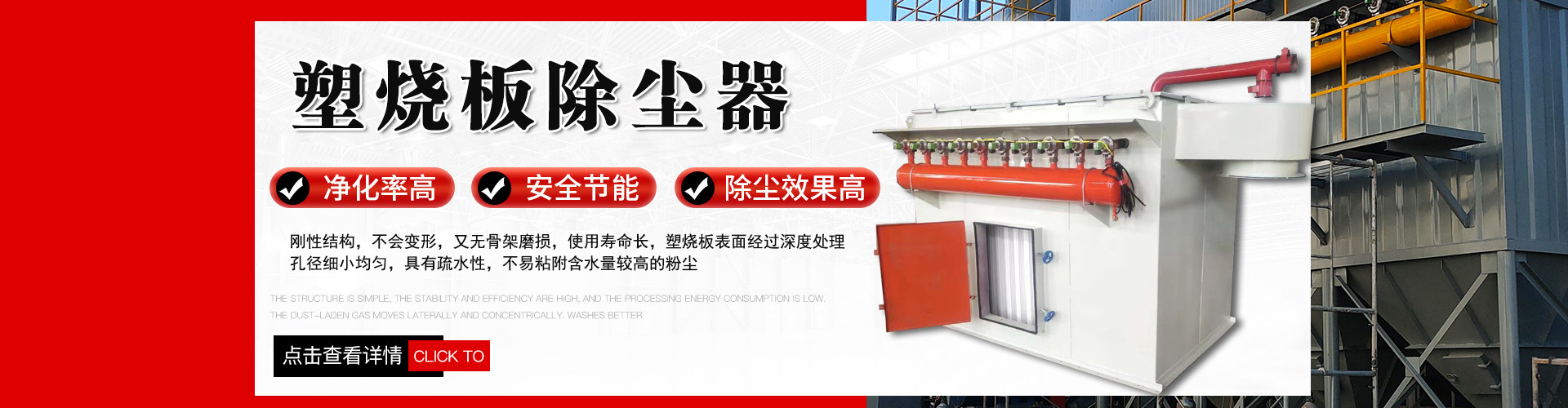
Pulse-jet dust collectors play a significant role in factory production! They remove impurities from the factory's air, ensuring safe production, and also enhance product quality, offering numerous benefits. You can now see large pulse-jet dust collectors in factories. This type is a common dust collector, but what exactly are their functions? Read on to find out!
The pulse dust collector's structure enhances the machine's dust removal efficiency, boasting an upgraded design principle. It overcomes the shortcomings of traditional reverse-air cleaning and general pulse cleaning, eliminating these flaws to develop a pulse dust collector with improved stability and enhanced dust removal performance.
The pulse dust collector is widely used in various applications, such as calcium carbide furnace dust removal, various electric furnace dust removal in iron alloy plants; flue gas purification in steel mills; dust removal from coal-fired boilers and small power plant boilers; dust removal from incinerators; high-temperature flue gas dust removal in smelting plants; flue gas purification in aluminum plants; dust removal from cement mill kiln tail and head; and flue gas purification in carbon black plants, etc. These facilities often produce high temperatures and large amounts of flue gas during production, necessitating the use of pulse dust collectors for cleaning and dust removal to ensure both a safe production environment and the quality of the products.
That concludes the functions of the pulse dust collector. We believe you already have a certain understanding of this equipment. Pulse dust collectors are widely used and can be found in various locations. They are effective in improving environmental quality and hold significant value in use. They can be said to be an essential piece of equipment for factories and other similar establishments.
