

What are the material types for butterfly valves?
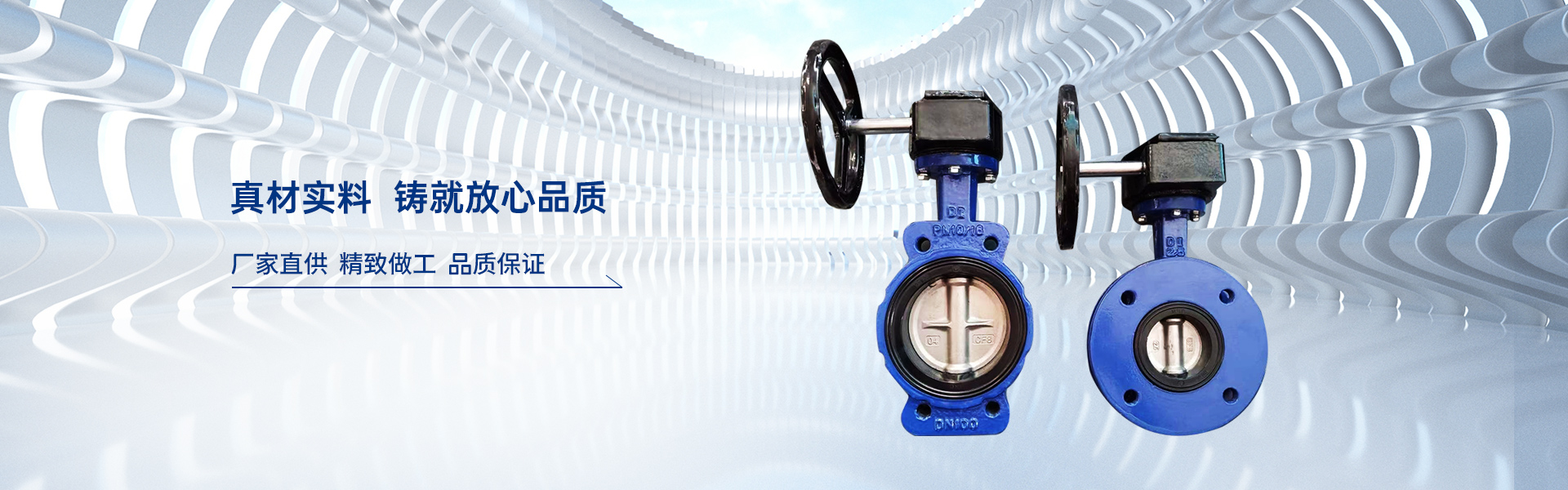
A butterfly valve is a simple-structured regulating valve mainly installed on pipelines to control flow. Its opening and closing parts are disc-shaped, and they rotate the valve shaft through the rotation of the worm gear box and gear disc, which in turn drives the valve plate to rotate, thereby achieving the on/off operation of the butterfly valve. Butterfly valves are made from a variety of materials, with the most common types including:
Gray Cast Iron and Ductile Iron
These two materials are widely used in water system pipelines, but there are also some distinctions. Ductile iron has a higher spheroidizing rate and higher hardness. The butterfly valves made of ductile iron are of higher quality and have a longer lifespan than those made of gray cast iron.
Section II: Cast Steel Materials
Gray cast iron and ductile iron are commonly used for low-pressure, normal-temperature pipelines. However, when the pressure and temperature of the medium in the pipeline are relatively high, cast steel butterfly valves are required, which are suitable for high-temperature and high-pressure environments such as steam and oil mediums.
Stainless Steel Material
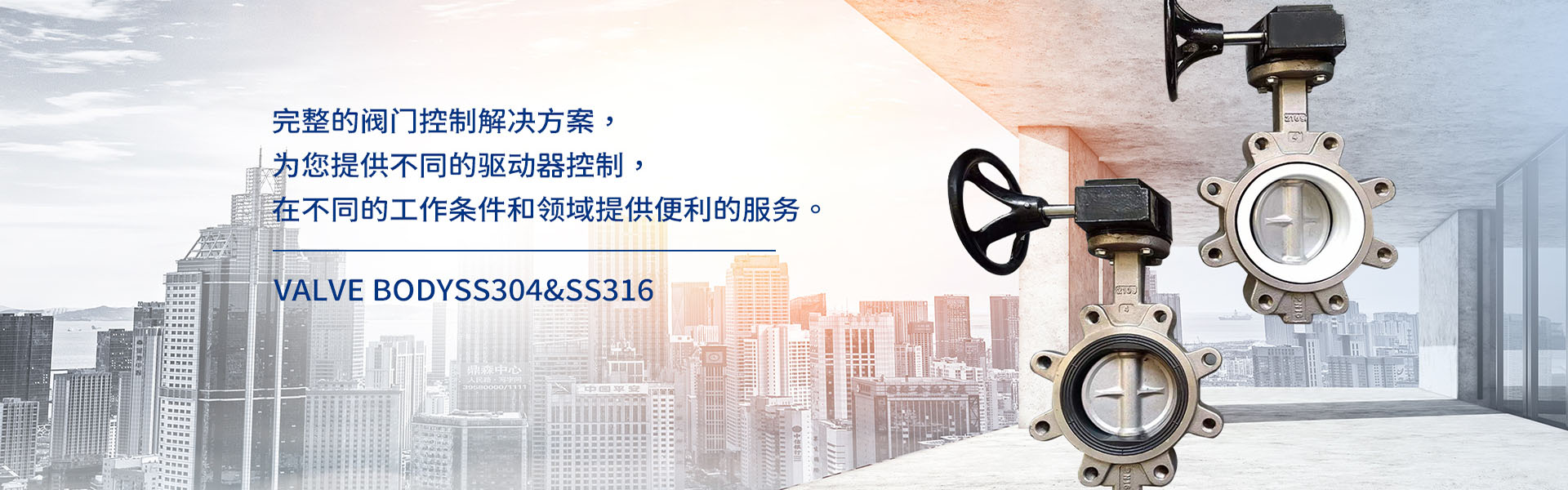
Stainless steel materials offer excellent corrosion resistance, making stainless steel butterfly valves suitable for use when the pipeline medium is corrosive or when the pipeline environment is prone to rusting.
Aluminum Alloy Material
Aluminum alloy materials feature low water absorption, heat insulation, and corrosion resistance. Aluminum butterfly valves are primarily used in air conditioning cooling water systems to prevent condensation.
Above are the common materials used in butterfly valves. Butterfly valves are applicable in both civil and industrial fields. Industrial butterfly valves are resistant to high temperatures, have a wide pressure range, and feature large nominal diameters.
