

What is a butterfly valve?
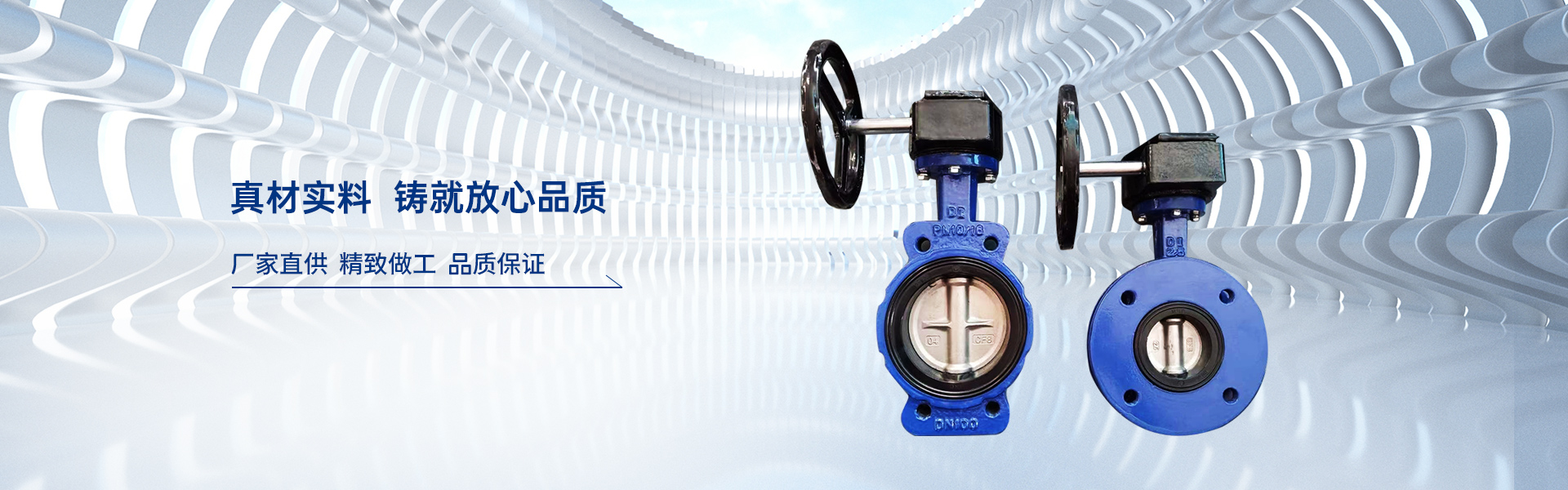
A butterfly valve, also known as a butterfly-type valve, is a common industrial valve. It consists of a circular or elliptical metal disc that rotates around the axis of the pipe to control opening and closing. Due to its unique structure and operational mechanism, butterfly valves are widely used in the field of industrial fluid control.
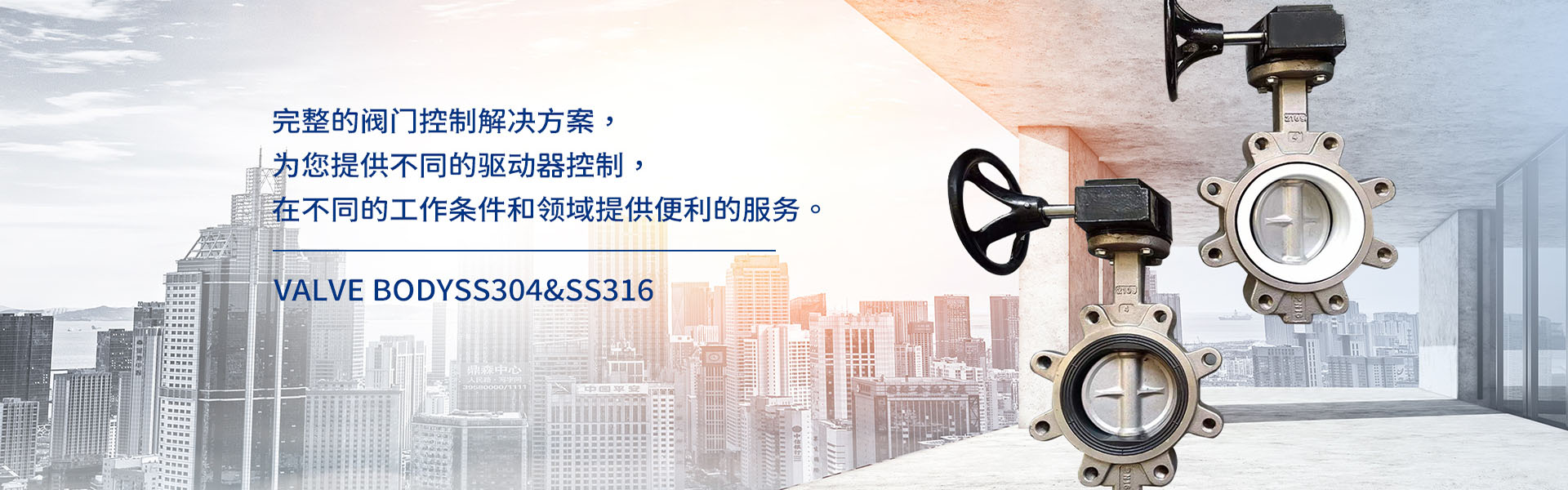
The structure of a butterfly valve typically includes the valve body, valve seat, valve stem, and valve disk, among other main components. The valve body serves as the main shell of the butterfly valve and can be made from cast iron, stainless steel, or plastic. The valve seat is a sealing component inside the valve body, which can be made of rubber or polytetrafluoroethylene. The valve stem connects the valve disk to a manual or automatic operating device, controlling the on/off action of the valve disk. The valve disk is the core component of the butterfly valve, rotating around the valve stem to achieve the opening or closing of the fluid.
The working principle of butterfly valves is relatively simple; they adjust the size of the fluid passage by rotating the valve disk. When the valve disk is tightly sealed against the valve seat, the butterfly valve is in the closed position; however, when the valve disk rotates to a certain angle, the fluid can flow freely through the valve body. This opening and closing method allows butterfly valves to have low flow resistance and a rapid on/off speed, making them suitable for applications requiring frequent operation.
One of the advantages of butterfly valves is their compact size and weight, making installation and maintenance more convenient. Additionally, butterfly valves offer good sealing performance and are less prone to leakage. They also feature a wide flow control range, capable of meeting demands under various operating conditions. Butterfly valves can also demonstrate excellent stability and reliability in controlling fluids at high temperatures, low temperatures, high pressures, or high viscosities.
Butterfly valves have a wide range of applications. They are commonly used in industries such as chemicals, oil, natural gas, and food processing. Butterfly valves play a crucial role in the control of liquid, gas, and powder mediums. Due to their simple structure and ease of operation, they are also extensively applied in public facilities such as water supply, drainage, air conditioning systems, and fire protection systems.
When purchasing butterfly valves, we need to pay attention to some important parameters and characteristics. First is the size and pressure rating of the butterfly valve, which depends on the requirements of the pipeline system. Next is the sealing performance, as good sealing performance can effectively prevent leakage. Additionally, the material of the butterfly valve should be considered to accommodate different media requirements. Of course, users can also choose between manual and automatic operation butterfly valves based on the specific application scenario.
In summary, a butterfly valve is a commonly used industrial valve characterized by simplicity, convenience, and reliability. It is suitable for controlling the flow and pressure of various fluid media and is widely applied across various industries and fields. By selecting the appropriate butterfly valve, we can achieve effective operation and control of fluid systems.
