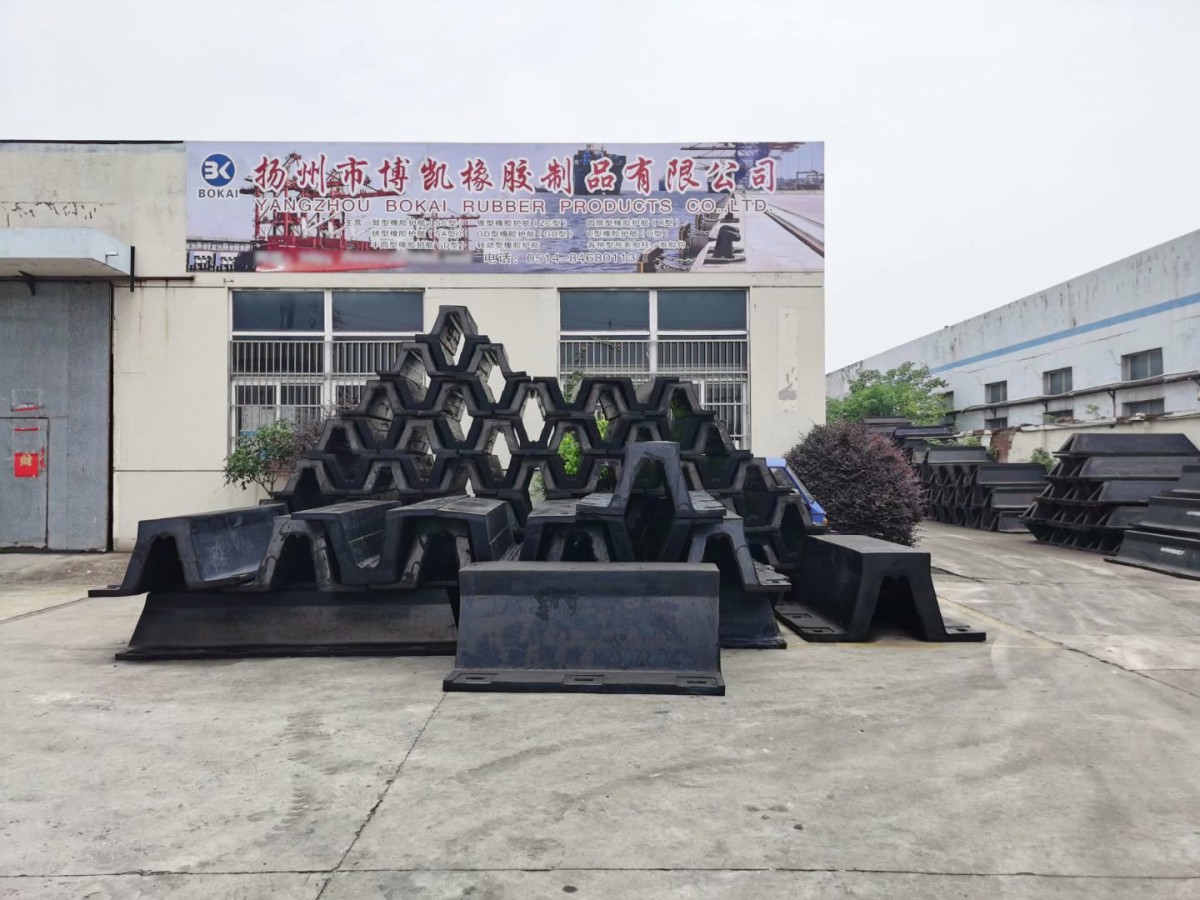

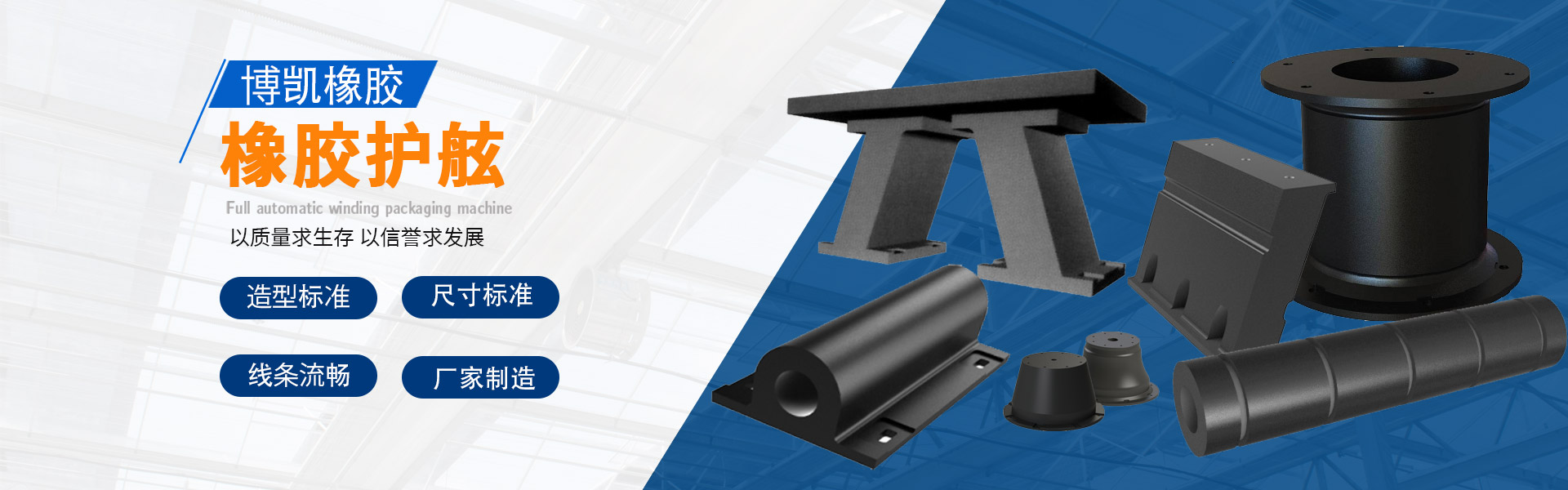


Rubber fender, also known as rubber fender wood, is installed on piers or vessels to absorb the collision energy between ships and piers or vessels during docking or mooring, protecting both from damage.
Rubber fender structures are typically divided into two main categories: solid rubber fenders (non-floated) and floated rubber fenders.
Solid rubber fender (non-floating type) is a historic and widely-used collision prevention equipment for码头船舶. It can be categorized into shear, rotational, and compression types based on the stress condition of the fender. According to the structure, solid rubber fenders include Super Arch SA (DA)-A, Super Arch SA (DA)-B, D, GD, Super Conical (ZC), Super Drum (SUC), Rotational, Fan, Rectangular, Pi, U, I, Cylinder (Y) types, and more.
Buoyant rubber fender can float freely on the water surface and is divided into: inflatable rubber fender and filled rubber fender according to the different internal buffering medium.
The inflatable rubber fender operates by using compressed air as a medium, dissipating collision energy through the work done by the compressed air.
Foam-filled fender, also known as solid polyurethane fender, is primarily filled with a buffering medium, mainly closed-cell foam materials, such as foam EVA, foam polyurethane, and foam rubber, etc.