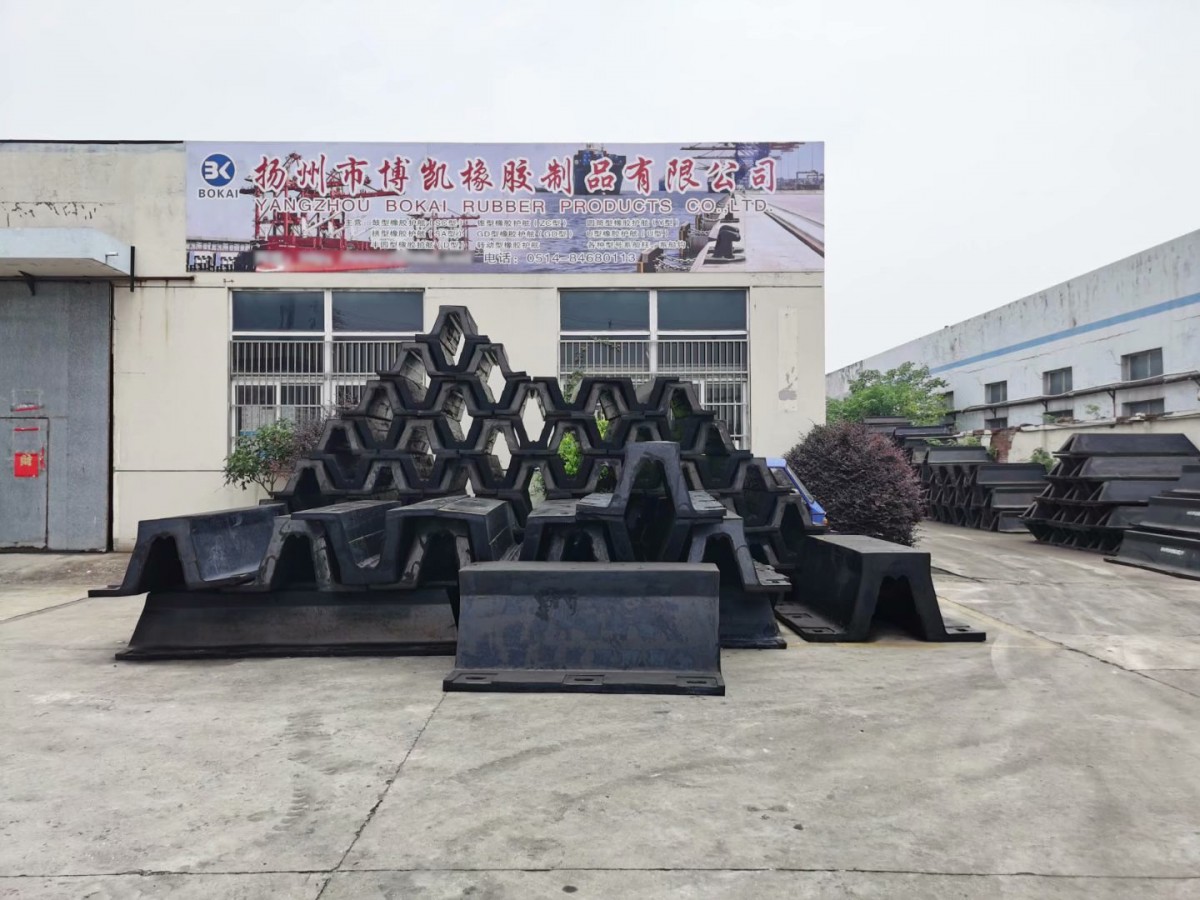
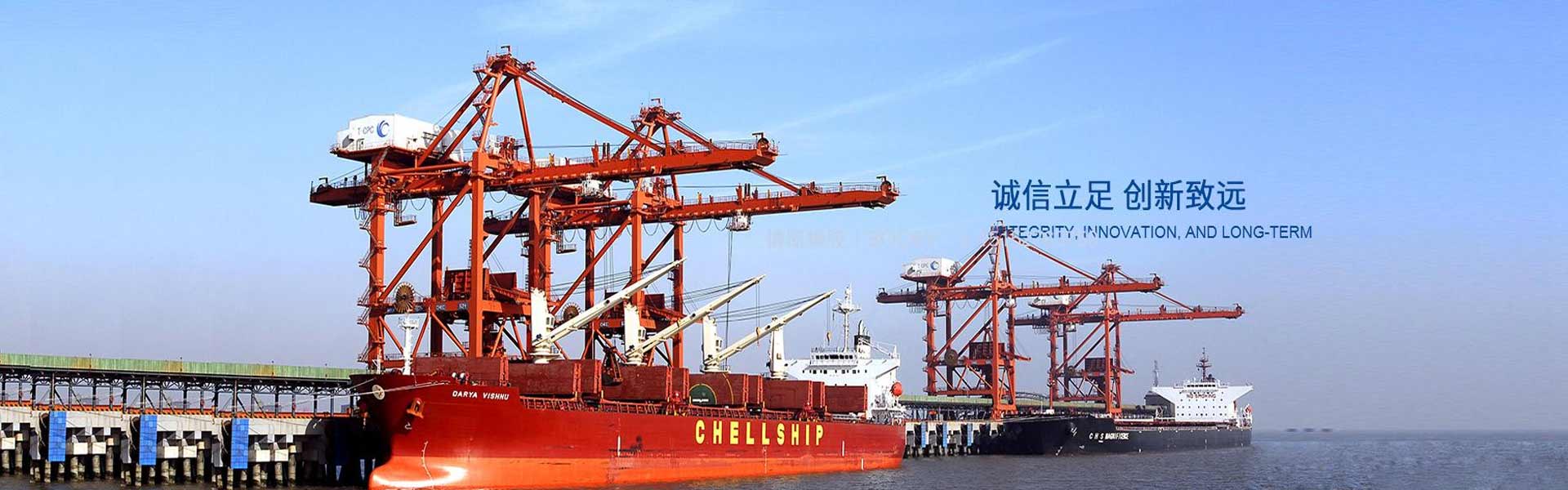

Fender, also known as a bumper, is an energy-absorbing device used at port docks or on ships to mitigate the impact or shock between vessels and docks, or between vessels themselves during berthing or mooring, thereby protecting both ships and docks from damage.
Rubber fender features excellent elasticity, high energy absorption, ease of maintenance, long service life, and ease of mass production. It is widely used in Japan, Europe, the United States, and Southeast Asia. The rubber fender not only protects ships and docks but also reduces the horizontal load on the dock, enhancing the docking capacity, lightening the construction of new docks, and lowering construction costs.
The size range of rubber fender is quite extensive. Standard-sized products can be easily matched with suitable vulcanization equipment, but the investment in large-scale vulcanization equipment for oversized products is too high, especially when the batch size is small, making the purchase of large-scale vulcanization equipment uneconomical.
The floating rubber fender is a relatively new type of fendering equipment. Compared to solid rubber fenders, its main features are: large compressive deformation, high energy absorption, low reactive force, self-floating, and easy installation. It is commonly used in ship-to-ship, ship-to-wharf cargo operations, and docking scenarios. Due to its self-floating characteristic, it is also particularly suitable for installations at wharfs with significant tidal fluctuations. The filled rubber fender, with its benefits of no maintenance and long service life, is especially suitable for harsh environments, such as offshore drilling platforms.
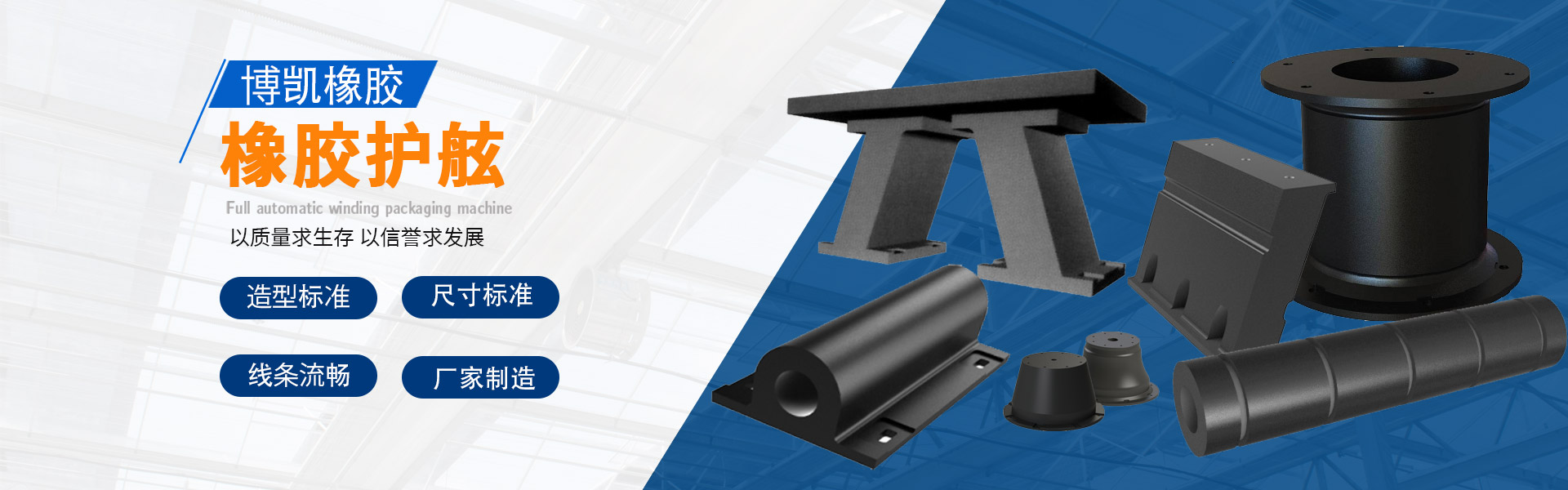
1) Cylinder-shaped rubber fender
Low resistance, minimal surface pressure, and reasonable energy absorption; strong adaptability to ship heave and sway during berthing, unaffected by ship size; versatile in use, easy for installation and maintenance, especially suitable for old-style docks.
2) Semi-circular (D-shaped) rubber fender
Features: Moderate resistance, higher energy absorption than cylindrical models; easier installation; particularly suitable for frame-type wharfs and shipside installations due to the smaller bottom width dimension.
3) DO Type rubber fender
Characteristics: Higher energy absorption ratio than D-type fender; significantly improved installation strength and service life compared to D-type fender; suitable for framed wharves.
Arch (V-type) rubber fender: Features - Moderate reaction force, high energy absorption; sturdy installation, convenient.
4) DA Type Rubber Fender
Features: High energy absorption and low reaction force; products offer greater stress distribution and longer service life; front guard panel reduces surface pressure; comprehensive specifications and various installation methods; easy replacement.
5) Bullnose rubber fender
Features: Low reaction force, high energy absorption; surface pressure below 25 tons/m²; minimal reduction in tilt compression mechanical properties; Π-type rubber fender: low reaction force, high energy absorption; easy installation; generally suitable for large and medium-sized harbors.
The industry standards for solid rubber fender are "HG/T 2866-2016 Rubber Fender" and "GB/T 21537-2008 Conical Rubber Fender."
The domestic industry standard for inflatable rubber fenders in China is "CB-T 3948 Shipboard Inflatable Rubber Fender," as well as the international ISO standard ISO 17357:2002 "High Pressure Floating Pneumatic Rubber Fenders." The filled floating rubber fender is a new product, which currently lacks both international and industry standards.