




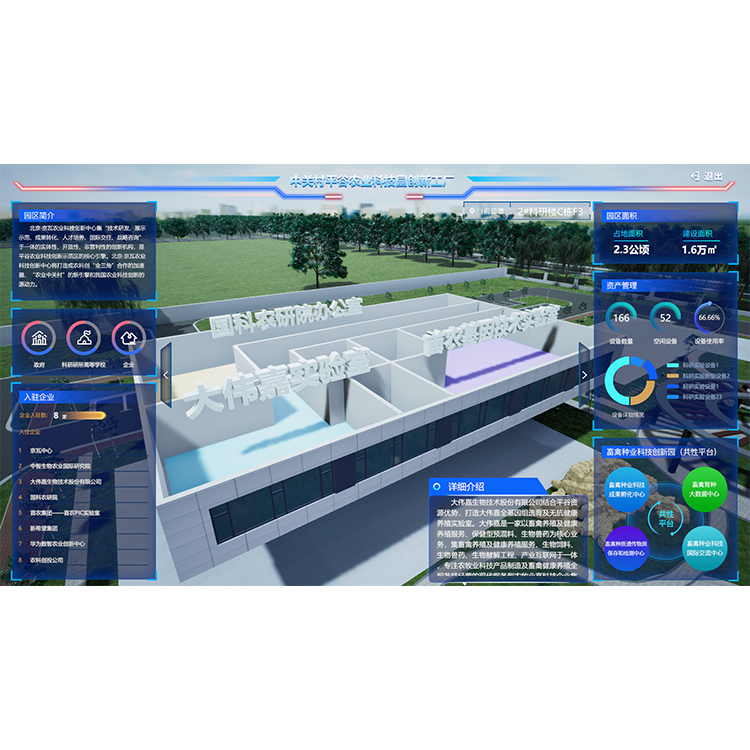


Intelligent 3D Display
With the continuous development of technology, display methods are also evolving. Traditional 2D display methods are no longer sufficient to meet people's demands for visual experiences, giving rise to 3D display technology. As one of the advanced display methods, intelligent 3D display has been widely applied across various fields due to its unique advantages.
Intelligent 3D presentation utilizes technologies such as 3D modeling, virtual reality, and augmented reality to present content in a more vivid and three-dimensional manner to the audience. Compared to traditional 2D presentations, intelligent 3D presentation boasts the following features:
1. Panoramic view
Intelligent 3D presentations utilize 3D modeling technology to create lifelike 3D environments. Viewers can observe the exhibits from any angle or distance, gaining comprehensive information. This panoramic perspective enhances viewers' in-depth understanding of the content, boosting visual impact and immersive experience.
2. High interactivity
Intelligent 3D presentations typically use interactive devices like touchscreens and sensors, allowing viewers to engage with the displayed content. Viewers can manipulate the devices to rotate, zoom, and move the content, gaining a deeper understanding. This interactive experience encourages viewers to actively participate, enhancing the presentation's effectiveness.
3. Rich in information
Intelligent 3D presentations utilize 3D modeling technology to create lifelike scenes and models. This process can incorporate a wealth of information, such as material properties, structure, and textures. Such a high-information display method allows viewers to gain a more comprehensive understanding of the content, enhancing the efficiency and impact of the presentation.
4. Live Demonstration
Intelligent 3D presentations can utilize animations and videos to dynamically demonstrate the content. This dynamic approach allows viewers to more intuitively understand the movement process and change patterns of the content, enhancing the visual effects and expressiveness.
5. Good visual effects
The smart 3D presentation utilizes advanced visualization technology to present content in a clearer and more realistic manner to the audience. This visual effect allows the audience to gain a deeper understanding of the content, enhancing the recognition and acceptance of the presentation.
Intelligent 3D presentations have wide applications across various fields. In architecture, they can be used for architectural design, landscape design, and interior design, assisting designers in better showcasing their concepts, enhancing design quality and customer satisfaction. In the industrial sector, they facilitate product design and manufacturing by enabling engineers to more effectively present product structures and performance, thus improving design efficiency and manufacturing quality. In education, 3D presentations are utilized for teaching demonstrations and experiment simulations, helping students grasp abstract concepts and principles more effectively, and boosting their learning outcomes and interest.
In summary, as an advanced presentation method, intelligent 3D display boasts features such as panoramic view, strong interactivity, abundant information, dynamic demonstration, and excellent visualization. It finds wide applications across various fields, aiding in better presentation and understanding of information, enhancing work efficiency and experience. With the continuous advancement of technology, it is believed that intelligent 3D display will be applied and promoted even more extensively.
