




The mixing process is one of the physical processes by which pollutants migrate and transform within rivers [2]. Such physical processes also include coagulation, adsorption, sedimentation, resuspension, heat transfer, and volatilization. The mixing process is known as the "self-purification effort," as it disperses and dilutes pollutants in the water, thereby reducing the concentration of pollutants in the water body. Generally speaking, after pollutants enter a river, the mixing process is divided into approximately three stages: the vertical stage, the horizontal stage, and the regional stage (the area following thorough mixing across the cross-section). These three stages represent a complex issue, especially the vertical stage, which involves multiple factors such as mass exchange, heat exchange, buoyancy effects, and momentum exchange. In cases where buoyancy is neutral and not under jet emissions, it is generally unnecessary to discuss them separately. For smaller rivers with low gradients, slow flow rates, and shallow depths, as well as waterways in plain regions where vessels pass frequently, it is particularly challenging to delineate these three stages, and it can even be said that it is actually impossible.
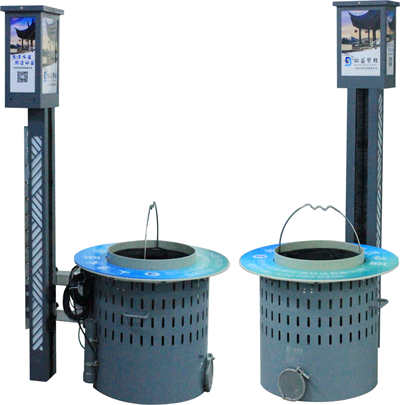
Natural water bodies have a self-purification process where the concentration of pollutants in the water naturally decreases over time and with changes in spatial location. This phenomenon is known as the self-purification of water bodies. Various water bodies in nature inherently possess a certain degree of self-purification ability. When pollutants enter the water, two interrelated processes occur immediately: water pollution and water self-purification. If the pollutants are partially or completely restored to their original state through the self-purification process, it is called purification. If the pollution exceeds the water body's self-purification capacity, water quality will deteriorate. Therefore, whether water quality deteriorates depends on the intensity of the pollution and self-purification processes, and how to treat water pollution is related to the nature of the pollutants, their size, the condition of the receiving water body, and their interactions.
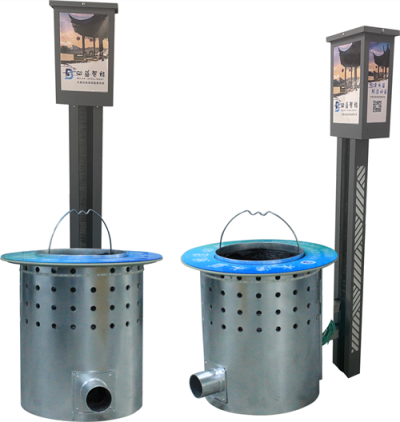
Wastewater treatment and utilization methods are numerous. When selecting a scheme, consider the following factors: 1. The degree of environmental protection required for wastewater treatment; 2. The volume and quality of wastewater; 3. Investment capacity. Wastewater treatment technology involves separating pollutants from wastewater using various methods, or converting them into harmless substances, thereby purifying the wastewater. Common wastewater treatment products include: quartz sand filter material, coal filter material, polyaluminum chloride, activated carbon, honeycomb inclined tube packing, fiber ball filter material, garnet sand, and various nylon products. Brief introduction to nylon products: Nylon (PAM) is a water-soluble high polymer, insoluble in most substances, with good flocculation properties and can reduce the frictional resistance between liquids. It can be divided into four types according to ionic characteristics: non-ionic, anionic, cationic, and zwitterionic.
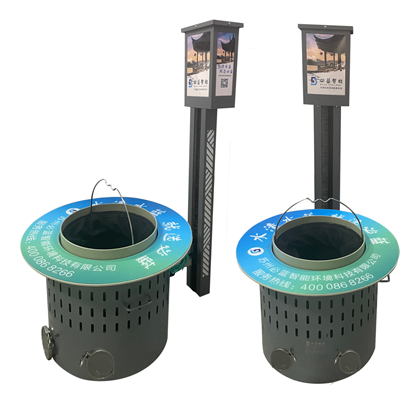
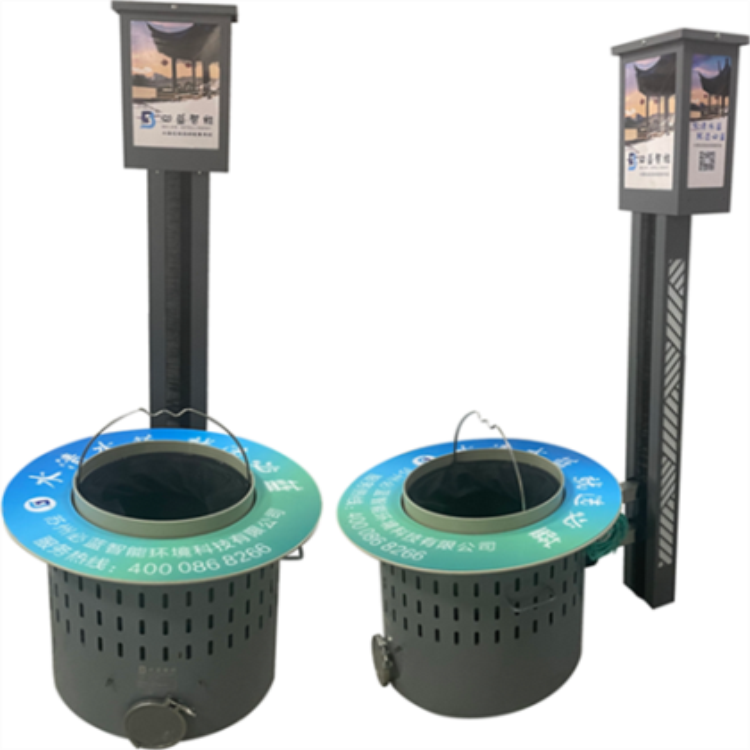
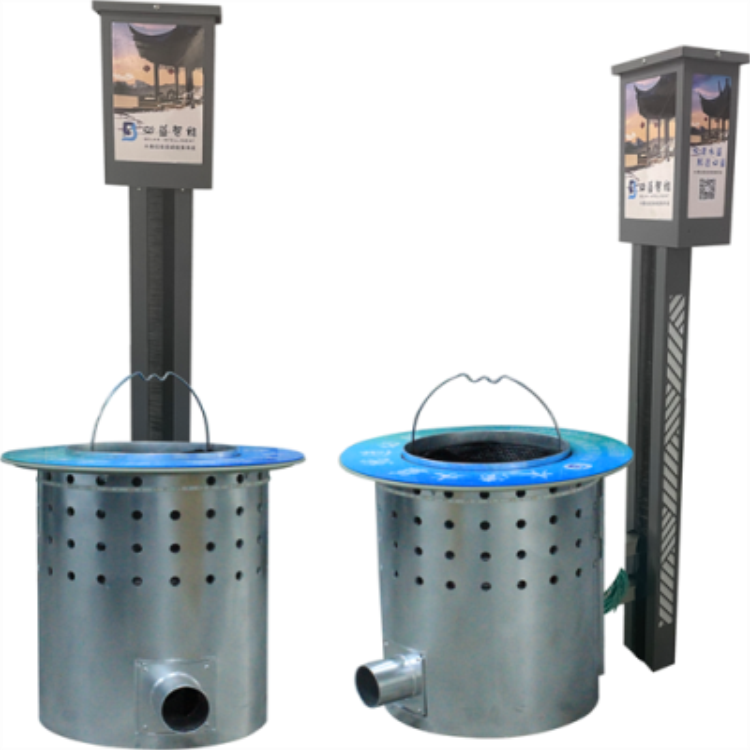
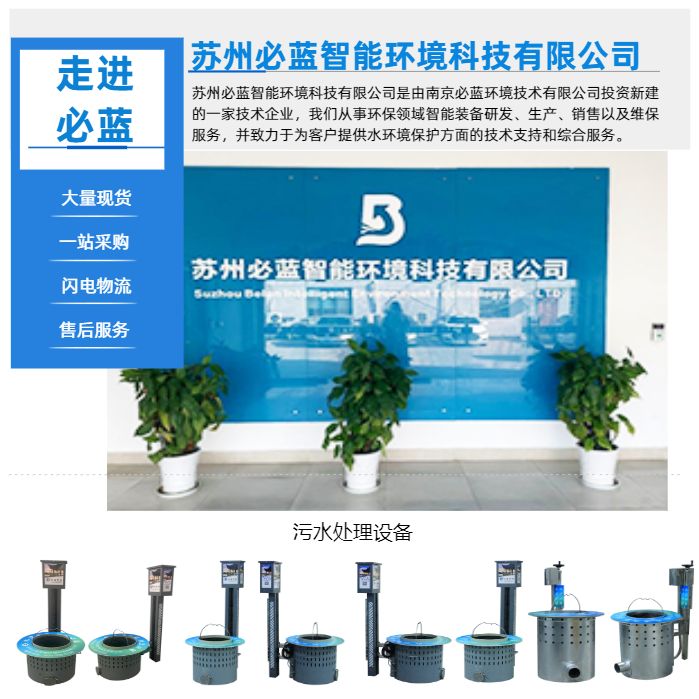
How to Tackle Water Pollution - Blue Smart Environmental Technology (Illustration) provided by Suzhou Blue Smart Environmental Technology Co., Ltd. Suzhou Blue Smart Environmental Technology Co., Ltd. boasts excellent service and products, consistently receiving affirmation and trust from both new and old customers, as well as industry professionals. Feel free to communicate directly with our customer service team. We hope for a pleasant collaboration in the future!

