




Environmental protection encompasses at least three layers of meaning: the protection of the natural environment to prevent its deterioration. This includes the safeguarding of green mountains, clear waters, blue skies, and the vast sea. It involves the prohibition of illegal logging, improper discharge of wastewater and air pollutants, excessive grazing, over-exploitation of land, overdevelopment of natural resources, and the destruction of ecological balance in nature. The protection of the human living and working environment ensures it is more suitable for human work and labor. This touches on all aspects of people's clothing, food, housing, transportation, and leisure activities, which must meet scientific, hygienic, healthy, and green standards. This level is microcosmic, and requires the integrated management of river management plans, which depend on the voluntary actions of citizens, guaranteed by policies and regulations, guided by community organizations and education. River management necessitates the joint efforts of all sectors, including industry, agriculture, military, education, and commerce, to be effectively addressed.

Nutrient pollution from plant nutrients in domestic wastewater and certain industrial effluents often contains a certain amount of nitrogen and phosphorus. Water from farmland treated with phosphorus and nitrogen fertilizers also commonly contains these nutrients. Wastewater containing detergents also has a significant amount of phosphorus. Excessive phosphorus and nitrogen in water bodies provide nutrients to microorganisms and algae, leading to rapid growth of cyanobacteria and red algae, as suggested by river management. Their reproduction and growth deplete oxygen in the water, causing a decrease in aquatic life like fish and shrimp and deteriorating water quality. This type of pollution caused by an excessive accumulation of plant nutrients in water bodies is known as "eutrophication." This phenomenon in bays is called "red tide."
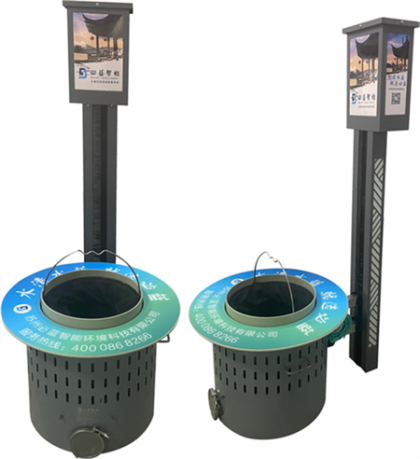
TN, NH4+-N, and TP are the water quality pollution factors in the tributaries entering Dianchi Lake; the spatial distribution characteristics of water quality pollution in the tributaries entering Dianchi Lake show that the pollution level of tributaries entering the lake in the northern part of the basin (Wangjiadu渠, Xinyunliang River, Laoyunliang River, Wulong River, Daguan River, Xiba River, Chuangfang River, Cailian River, Jiahe River, Panlong River, Daqing River, Hai River, Liujia Baoxiang River, Xiaoting River, Wuji Baoxiang River, Xiaobaixiang River, Xinyunliang River, and Maliao River) is greater than that of tributaries entering the lake in the southern part (Nanchong River, Nini River, Laocai River, Baiyu River, Cizhang River, Dongda River, Zhong River, and Gucheng River), which is greater than that of tributaries entering the lake in the eastern part (Luolong River and Laoyu River).
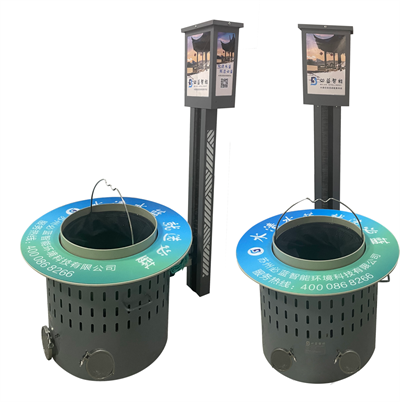
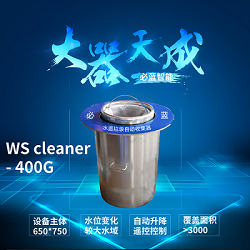
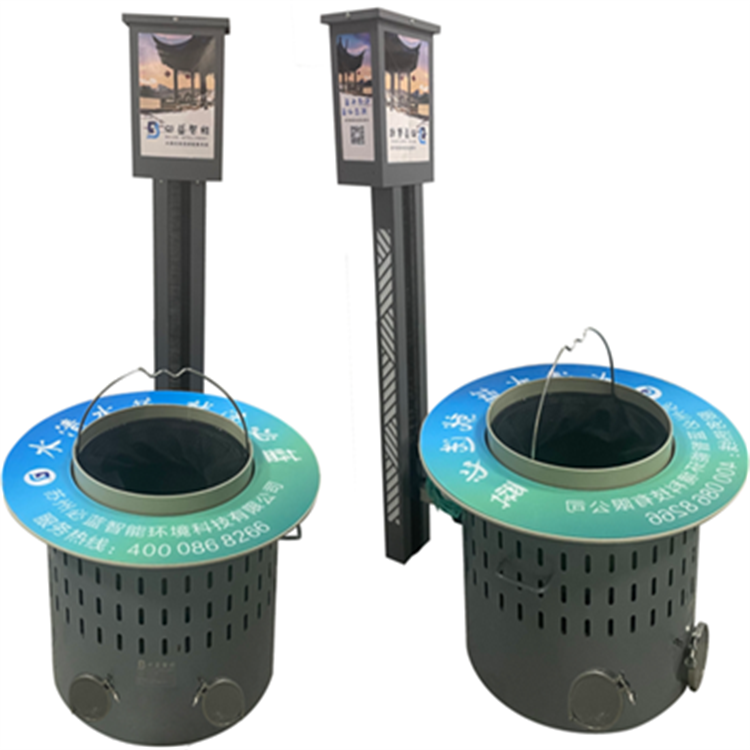
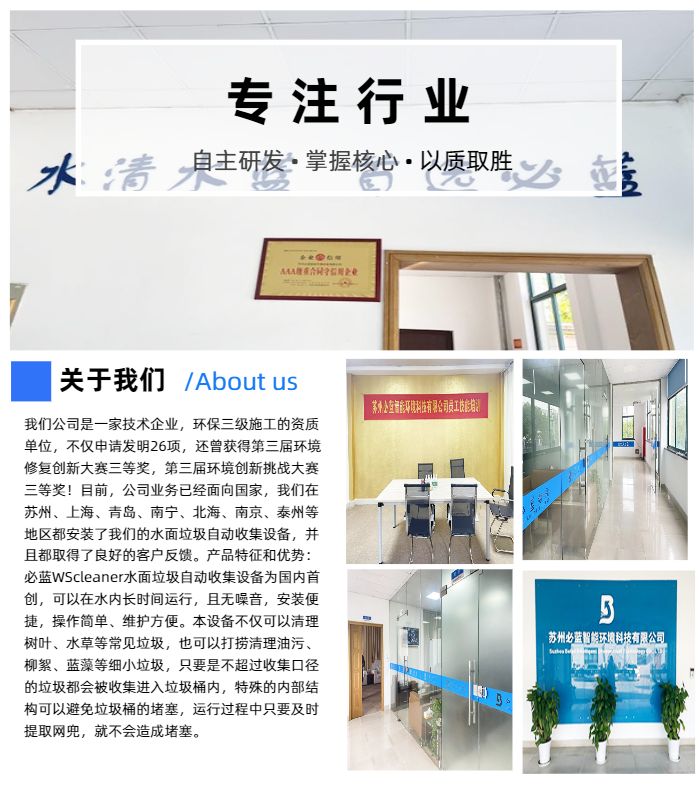
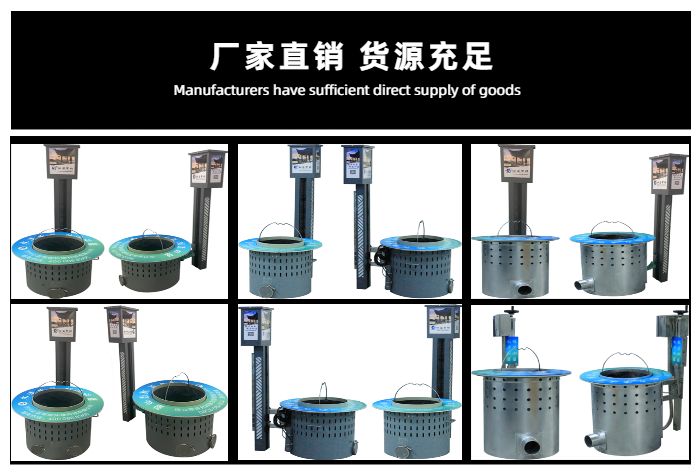
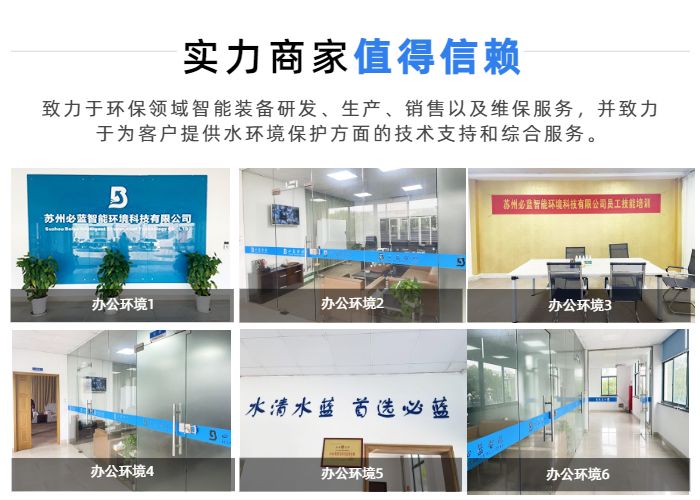
River Management Recommendations - River Management - Provided by Suzhou Bilan Smart Environment Technology Co., Ltd. Suzhou Bilan Smart Environment Technology Co., Ltd. boasts impressive strength and reliable reputation, having accumulated a large number of loyal customers in the wastewater treatment equipment industry in Jiangsu, Suzhou. Bilan Smart, with a mindset of continuous improvement and innovation, joins hands with you to step into brilliance and co-create a beautiful future!

