


Underwater engineering construction, as an interdisciplinary and comprehensive engineering field, involves knowledge and technology from various professional areas such as shipping, architecture, mechanics, and electronics. The construction of underwater projects is widely applied in the fields of offshore oil development, marine resource exploration, underwater communication, submarine tunnel construction, and marine environmental protection. This article will delve into the challenges and opportunities of underwater engineering construction.
Firstly, underwater construction projects face significant environmental pressures. Underwater operations must consider the impacts of sea pressure, water currents, tides, and other factors on personnel and equipment. Additionally, underwater work also deals with low visibility, threats from marine life, and equipment corrosion issues. Therefore, personnel involved in underwater construction must possess strong psychological resilience and professional operational skills.
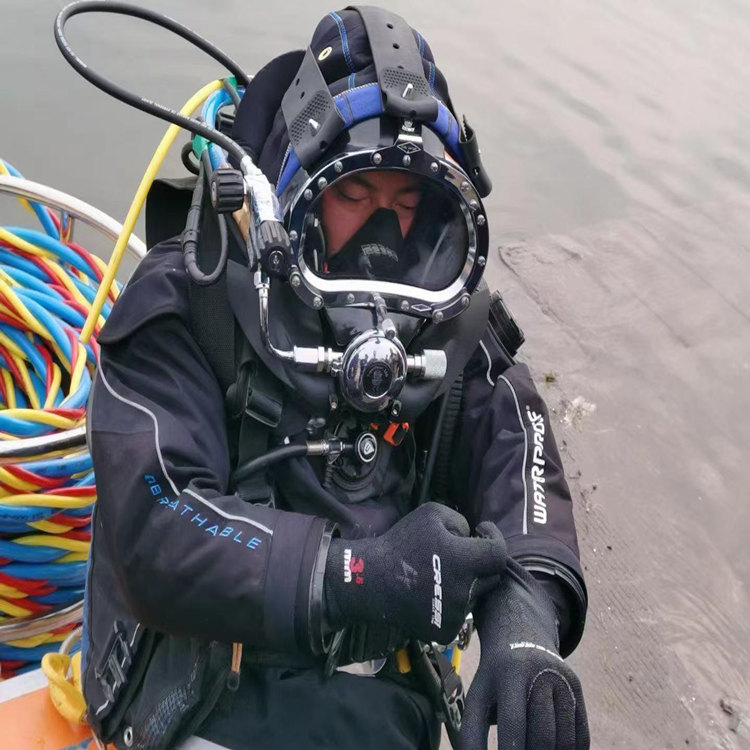
Next, advanced technical equipment is required for underwater construction projects. Whether it's underwater mining, submarine tunnel construction, or the layout of submarine pipelines, high-precision positioning systems, remote control devices, and drones, among other high-tech gear, are essential. These devices feature complex structures and a high degree of automation, capable of enhancing construction efficiency and minimizing human activity's interference with the marine environment.

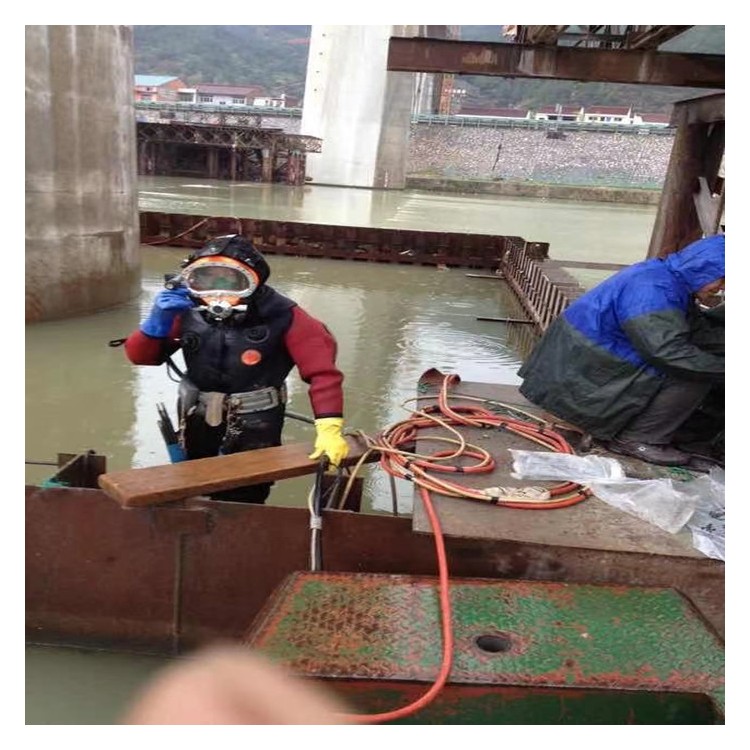
Additionally, underwater construction projects require a professional team of personnel. Underwater operators must possess relevant knowledge and operational skills, as well as strong teamwork abilities. They must undergo rigorous training and certification, be familiar with marine environmental protection regulations, and be prepared to handle emergencies at all times.
As the demand for marine resources grows, the underwater construction sector will face significant market opportunities. For instance, with the ongoing development of deep-sea oil exploration, the demand for underwater construction will surge rapidly. Additionally, the advancement of marine energy, coral reef protection, and marine scientific research will provide further opportunities for underwater construction.
In summary, underwater construction faces numerous challenges yet holds immense opportunities. We must continuously innovate technology, nurture professional talent, and focus on scientifically reasonable planning and sustainable development. We believe that with joint efforts from all parties, the future of underwater construction will undoubtedly shine even brighter.
