
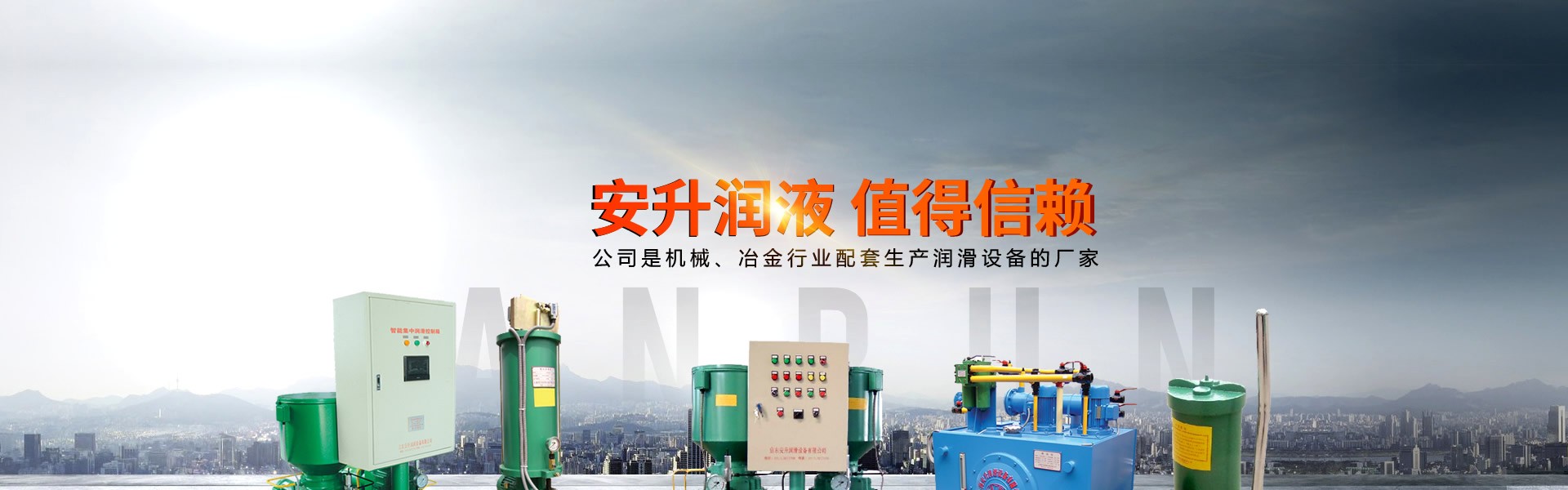


The electric lubrication pump features excellent mobility with operation voltage at 400V and motor power of 370W, as well as a good dustproof grade. Widely used in industrial applications due to its output and stable performance, it can be seen in various fields and is suitable for environments without air supply. Even under the pressure of heavy daily production and maintenance tasks, it maintains its durable and reliable performance characteristics, making it ideal for lubrication tasks with widely dispersed points.
In the design of electric lubrication pumps, the motor directly drives the discharge of lubricating oil. The outlet electric lubrication pump features a dual plunger, dual cylinder structure. Therefore, it operates extremely smoothly and reliably, with easy displacement adjustment, a compact design, minimal vibration, and low noise. An oil level indicator can be added upon request. With the corresponding electric control box, it can be automated. Additionally, it can be equipped with a mobile trolley and oil tank to form a portable electric lubrication system.
Lubrication systems for low-frequency, infrequent lubrication points with high oil volumes, and those not suitable for centralized lubrication, are commonly used in mining, ports, power plant production workshops, and similar environments. Electric lubrication pumps offer excellent convenience, and in areas without power supply, heavy-duty pneumatic lubrication pumps can be used. Their primary working principle involves using compressed air to drive a pneumatic motor, which in turn drives the pump for reciprocating motion.
By utilizing the area difference between the upper and lower ends of the piston, a high-pressure fluid is released. The pressure of the released fluid primarily depends on the area ratio at both ends of the volcano and the pressure of the driving gas. The area ratio at both ends of the piston defines the pump ratio, which is indicated in the pump model. Adjusting the input air pressure can also yield different pressure outputs.
Manual lubrication pumps are easier to use and do not rely on other power sources. By using a high-pressure oil extraction device, oil can be directly pumped out from a standard container through an increased-pressure hose attached to a two-meter-long oil-filled hydraulic hose. The copper lid is secured with screws, and the oil discharge speed depends on the force applied by the hand. Foot-operated lubrication pumps greatly free up hands from complex tasks, as a gentle foot tap allows oil to flow out easily.
