
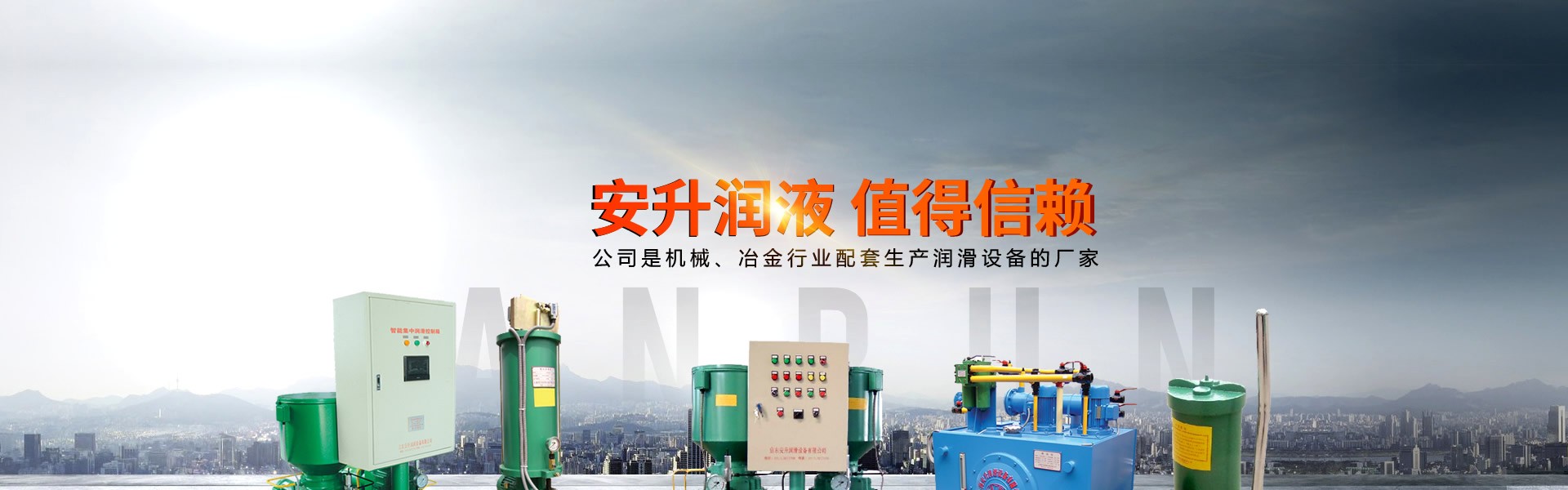


Portable lubrication pumps are mainly divided into manual pumps and automatic pumps. When selecting a lubrication pump, please note the following:
(1) Hand pumps should consider the fuel supply volume and the degree of effort required. Manual pumps are typically used when the injection point is less than 30.
(2) Automatic pumps require consideration of power source, whether electrical, pneumatic, hydraulic, or mechanical transmission, as well as flow rate.
Volume of storage tanks should be selected based on fuel supply.
(4) Dust control projects typically employ time-based control, whether it be count control or time control. The control period ranges from 1 to 30 days and is adjustable.
(5) Contaminated lubricants are a primary cause of pump and system failures, so it's crucial to use clean oil. To replenish the oil tank with lubricant, an electric oil pump is required to draw from the electric lubricant pump. Prior to the first lubricant charge, the pump should be lubricated. This is because the lubricant's good fluidity fills all areas, assisting in air expulsion. If the lubrication area cannot use lubricant, the pump must be operated until oil free of air reaches the end of the pipeline.
(6) Electric lubrication pumps should be installed in locations with suitable ambient temperatures, minimal dust, low vibration, and easy access for adjustment, inspection, maintenance, and care. Ideally, they should be placed in the center of the system. Reducing the length of the system piping maintains low pressure drop, enabling the pump to generate sufficient pressure to overcome the resistance at the lubrication points.
What is the role of the portable lubrication pump in the dust removal system?
Mobile lubrication pumps are an essential tool for improving working conditions and reducing wear. Proper selection of lubrication equipment, materials, and maintenance methods can minimize wear, extend lifespan, and ensure long-term stable operation of the equipment.
A well-designed mobile lubrication pump serves the following functions on the surface of dust removal systems.
Reduce wear and tear
Wiping the surface of the seal is because the lubricant has formed an oil film, which prevents or slows down the significant direct wear on the part surface.
(2) Load Reduction
Because the oil film formed by the lubricant can reduce the impact load applied to the parts, decrease vibration, lower the coefficient of friction, and minimize frictional resistance and energy consumption.
(3) Cooling effect
Lubrication reduces the coefficient of friction, benefiting friction conditions and minimizing the occurrence of friction heat. The flow of lubricant over the friction surface can also carry away some of the frictional heat.
Sealing Effectiveness
Oils do not flow within the cavity of the bearing, thereby preventing dust intrusion, ensuring the cleanliness of the friction surfaces, acting as a seal, and preventing air leakage during operation.
(Wash-off Effect)
Due to the continuous removal of debris, impurities, and dirt from the friction surface by the circulating lubricant, washing and cleaning the surface reduces friction wear.
(6) Corrosion Resistance
Mobile lubrication pumps exert almost no corrosion on metal surfaces, forming an oil film that cuts off direct contact with the metal surface and air, steam, water, or corrosive gases and liquids, preventing surface rust and corrosion damage.
