
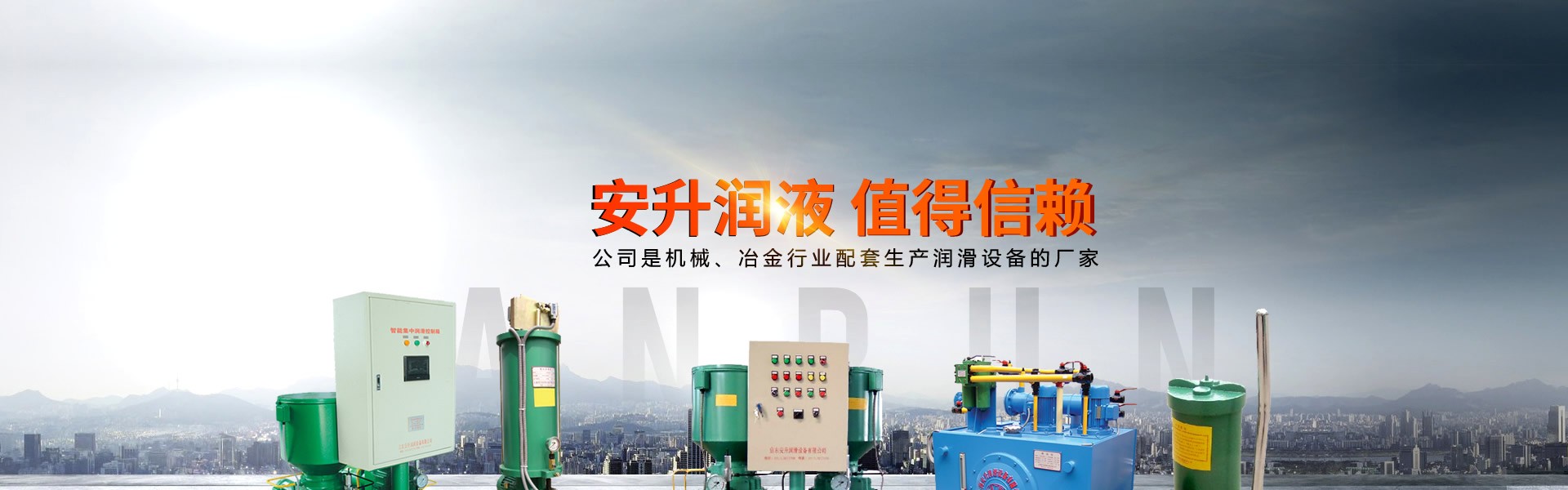


The rare oil station is composed of components such as oil tanks, gear oil pumps, single-chamber filter separators, imported compressor refrigeration units, instruments, pipelines, valves, pressure regulators, and electrical control devices. During operation, the gear oil pump吸取油液 from the refrigeration oil tank, passes through a single-chamber filter separator, and then, based on the varying pressure requirements, the oil is delivered to the oil tank via a magnetic filter separator.
Comprised mainly of a fuel tank, low-pressure fuel pump assembly, one-way valve, twin-chamber mesh filter, plate-type cooler, automatic cutoff electric heater, thermometer, pressure gauge, pressure controller, oil level gauge, high and low oil level alarms, etc.
The dilution station typically consists of two main parts: the low-pressure oil supply system and the high-pressure oil supply system. This includes two low-pressure gear pumps, two high-pressure plunger pumps, a double-chamber mesh filter, an oil cooler, an oil storage tank, valves, and several oil supply pipelines, along with an electrical control cabinet. The power of both high and low-pressure pumps is generally 2.2 KW, but this can vary and is configurable based on the main engine's requirements. The working pressure of the low-voltage oil supply system is 0.4 Mpa, while the high-pressure oil supply system operates at 31.5 Mpa, which can be adjusted via a regulating valve. When the main engine starts, operates at low speed, or shuts down, the high-pressure system forms a static pressure oil film. After running for a certain period to allow the main engine to drive the pressure oil film, the high-pressure pump stops supplying oil, and the low-pressure pump continues to supply oil to ensure the lubrication needs of the main engine are met.
Hydraulics: Hydraulic transmission devices, used as hydraulic pumps in the hydraulic elevator lift industry, are based on mineral oil for hydraulic oil additives or hydraulic lubricating fluids, such as hydraulic presses, forging hammers, baling machines, strapping machines, press plates, winches, crane units, variable pitch propellers, and rudder adjustment units, hatches, hydraulic press machines, machine tool hydraulic systems, hydraulic oil pumps, lubricating oil pumps, fuel delivery pumps, heating furnace hydraulic stations, blast furnace fan lubrication stations, fine rolling thin oil stations, rough rolling thin oil stations, hydraulic equipment, HGC circulating pumps, fine rolling drive circulating pumps, rolling thin oil stations, fine rolling high and low pressure thin oil stations, rough rolling high and low pressure thin oil stations. Some companies lack understanding of thin oil stations and misuse them, leading to damage to sliders or large bearings. Repairing sliding shoes or large slabs requires a significant amount of time and considerable maintenance work, so properly using thin oil stations is crucial for improving the operation rate of rotating equipment. Equipment maintenance involves general methods such as cleaning, sweeping, lubricating, and adjusting to maintain and protect the performance and technical condition of the equipment, i.e., equipment maintenance. The main requirements for equipment maintenance are: cleaning the interior and exterior of the equipment to be clean, ensuring that all sliding surfaces, screws, racks, gearboxes, oil holes, and other parts are free of oil stains, no oil or gas leakage in any parts, and the removal of chips, debris, and dirt around the equipment. All sliding surfaces, screws, racks, gearboxes, and oil holes should be free of oil stains, and there should be no oil leakage in any parts.
