
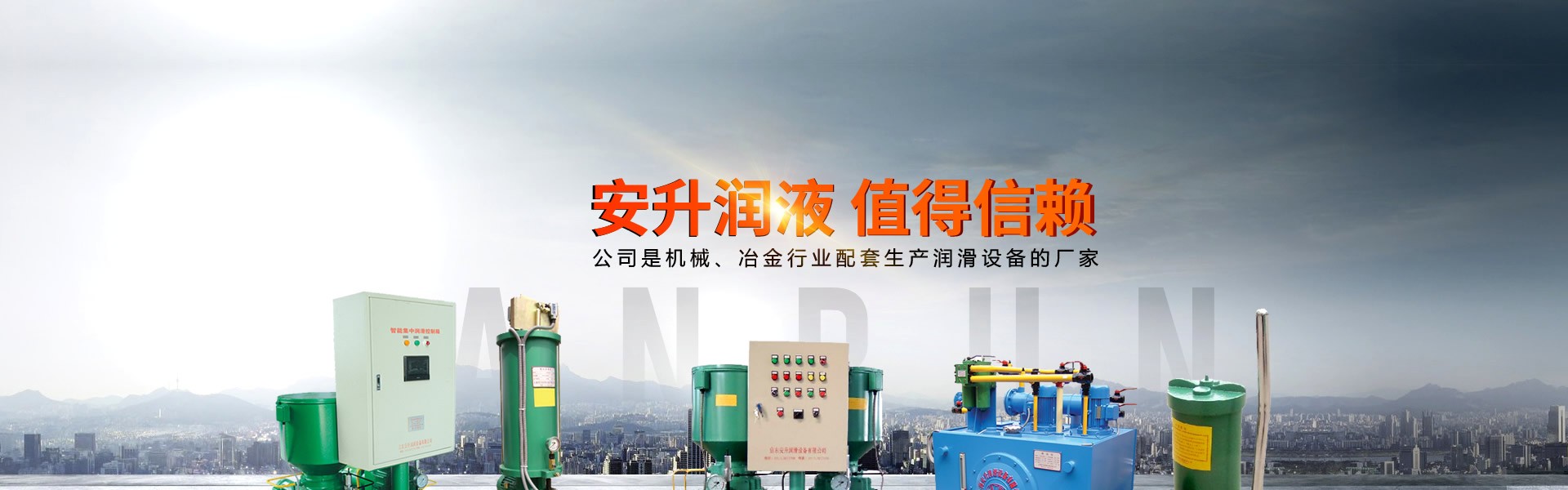


An electric lubrication pump is a grease pump powered by DC or AC power, suitable for progressive lubrication systems. It features high output pressure and three selectable outlets. Each outlet can form an independent lubrication system through its own distributor, with grease delivered regularly and quantitatively to various lubrication points via a programmable controller. Equipped with an oil level switch, it can trigger low oil level alarms, and the motor housing is dust and rainproof. Electric lubrication pumps are widely used in centralized lubrication systems for machinery in engineering, transportation, machine tools, textiles, light industry, and forging, among other fields.
The working pressure adjustment method for an electric lubrication pump is as follows:
The accessory of the electric lubrication pump includes a small part called a pressure regulator valve, which, as the name implies, is an attachment for adjusting pressure. It is the type that needs to be adjusted for the working pressure of the oil pump. It is positioned on the pump bracket, featuring a copper fitting that somewhat resembles a straight-through fitting. It is located above the suction oil gear pump, near the pressure relief valve, and can be clearly seen by removing the oil tank.
Next, locate the pressure regulator valve connection, where there's a white hex nut during adjustment. This nut serves to secure the connection. First, loosen the white nut, then adjust the copper hex nut connection. The adjustment rule is clockwise to increase pressure; counter-clockwise to decrease pressure. Do not tighten too much at once; make small half-circle adjustments to avoid overpressure and damage to the oil pump.
During the adjustment process, you can turn on the oil pump and locate a plug at the oil outlet. Secure it completely. As the oil pump operates, the pressure gauge will display the working pressure of the pump. Generally, the factory-set working pressure for electric lubrication pumps (dilute oil pumps) is around 16-20 kg. To increase the pressure, first, slowly turn the pressure regulating valve counterclockwise by half a turn. Then, while in operation, check the pressure gauge for how many kilograms and turn another half turn if necessary.
To reduce pressure, turn the pressure regulating valve counterclockwise by half a turn. It is important to note that before making any adjustments, you should know the adjustable range of the oil pump from its highest pressure. Generally, the highest pressure indicated by the pressure gauge is 4MPA, which is equivalent to 40 kg. However, it is not recommended to adjust the pressure to this level, as the oil pump is constantly operating outside its pressure range, which can easily damage the pump. The higher the working pressure, the shorter the lifespan of the oil pump, so it is suggested to adjust the pressure to around 25-28 kg.
Electric lubrication pumps are used for transferring media with temperatures ranging from 30 to 120°, viscosities not exceeding 50 m2/s, and mechanical oils without solid particles, as well as other lubricating media with similar properties like turbine head oils. Electric lubrication pumps are primarily used for transferring lubricating oils in various mechanical equipment lubrication systems, suitable for transporting oils with a viscosity of 10 and temperatures below 300°.
