
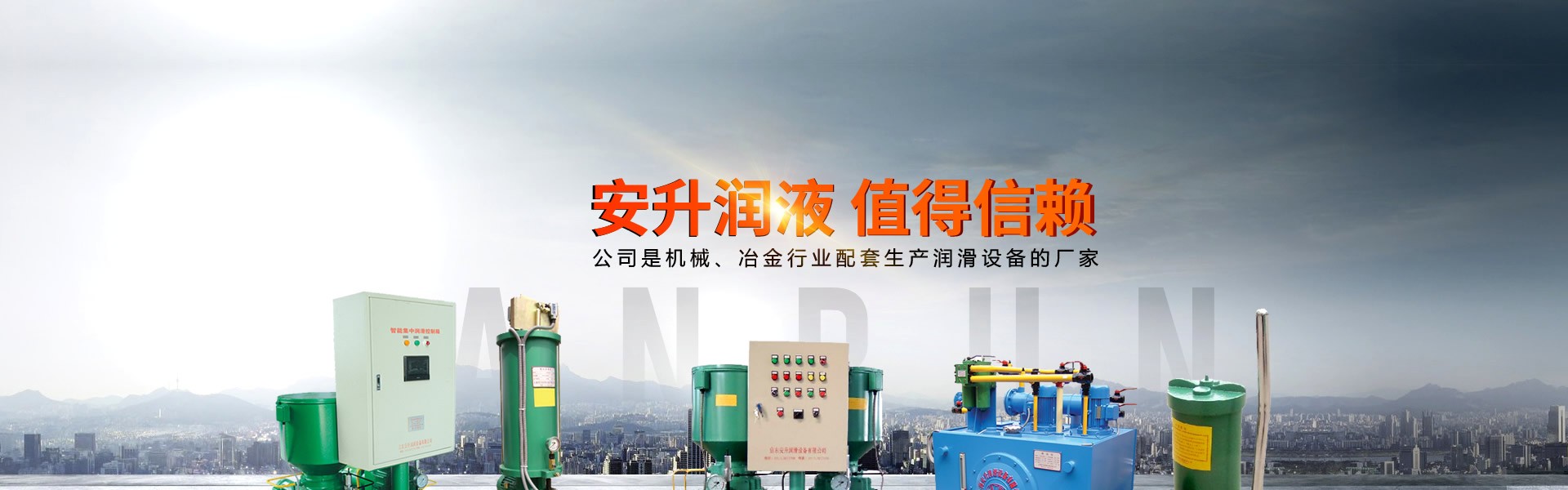


An oil pump is a lightweight and compact pump that comes in three types: inline, distributor, and single-row. To operate, an oil pump requires a power source, with its camshaft being driven by the engine's crankshaft gears. Let's take a closer look below.Tips for Using and Maintaining Fuel Pumps.
A new fuel pump has been proposed featuring a housing made of aluminum-containing material and a removable molded part placed within the housing. The removable molded part is at least partially composed of a sinterable material including at least one austenitic iron-based alloy, and the molded part made of sinterable material has a thermal expansion coefficient of at least 60% of the housing's. Fuel pumps are commonly used in daily production, and they are needed in many places. However, when using fuel pumps,N/APay attention to certain details to ensure the normal operation, efficiency, and lifespan of the oil pump.
Precautions for Fuel Pump Usage
A survey reveals that many diesel generator sets neglect the maintenance of their fuel pumps during operation. In fact, the fuel pump is a crucial component of the generator. To ensure the long-term durability of the generator, users should pay attention to the following issues on a regular basis.
Before installing the generator set fuel pump, check that the model and specifications are correct and remove the rust-proof oil. The gasket thickness should be appropriate. To prevent the piston from being blocked or misaligned, ensure the gasket is not too thin or too thick. When tightening the bolts, apply an even torque to prevent damaging the oil pump.
The hand pump piston and body on the oil pump are sealed with a rubber system; do not disassemble them at will. If a rubber ring is found to be damaged, replace it promptly.
The coarse filter inside the fuel pump connector is prone to clogging with lint and other debris. It should be regularly inspected and cleaned, and damaged filters should be replaced.No content provided for translation.Timely repairs or replacements.
Ensure that the generator set transmission oil pump sealing gasket is in good condition, and the plastic locking ring should not be frequently disassembled and installed; it should be replaced regularly.
Ensure that the "four springs" of the plunger-type fuel pump maintain normal elasticity. The "four springs" include the piston spring, push rod (roller) spring, oil valve spring, and spring. Timely replacement or adjustment with shims should be made to these springs to prevent damage to the generator.
Ensure that the hand pump on the generator set is pushed back after use, and tighten the button to prevent air intake or oil leakage from the hand pump, rubber ring, or ball valve due to insufficient pressure.
When the power generation system unit is in a shutdown state for an extended period of operation, prevent the wear and rust of the mating surfaces of the oil pumps, particularly those between the piston and pump body, and the push rod and push rod sleeve, due to the presence of water in the oil fluid.No content provided.Preventive rust treatments can be implemented, which involves replacing the lubricating oil in the oil sump of the fuel injection pump with a mixture containing a certain amount of water, diesel, and other impurities when the generator set is shut down.
The oil for filling generator sets should be passed through sedimentation filtration to ensure cleanliness and prevent excessive contamination from clogging the inlet valve and outlet of the fuel supply pump.
Above, we've introduced the usage tips and maintenance of fuel pumps. For more information, feel free to contact us at any time! Our company has years of experience and is always looking forward to your joining us.
