
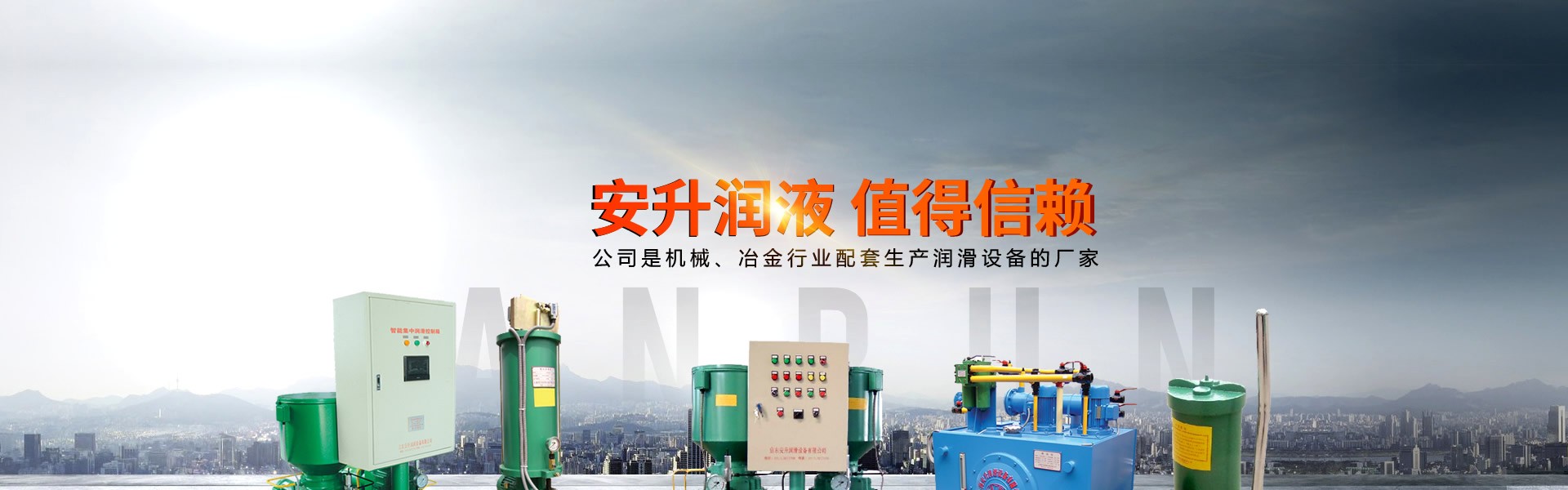


Lubrication equipment manufacturers introduce that lubrication equipment refers to a series of devices for supplying, draining, and auxiliary equipment that provide lubricants to lubrication points. Machines require regular lubrication. In the past, the main method of lubrication was based on the operating condition of the equipment, with manual lubrication performed after a certain maintenance cycle, such as grease lubrication. The main types of lubrication equipment include: electric lubrication pumps or manual lubrication pumps, directional valves, pressure differential switches, double-line distributors, single-line progressive distributors, electric control boxes, electric oil-pouring pumps, manual oil-pouring pumps, multi-point lubrication pumps, dry oil filters, dry oil nozzles, one-way valves, over-pressure indicators, lubrication pipelines or copper tube fittings for thin oil lubrication stations, tube-type coolers, magnetic grid filters, oil flow signal devices, etc. Complete hydraulic systems, cylinders, standard welding-type, clamping-type, expanding-type, conical seal-type pipe fittings, single-layer, double-layer, ultra-high-pressure four-layer high-pressure hose assemblies, steel pipe clamps, high-pressure flanges, etc.
What are the characteristics of lubrication equipment? Manufacturers introduce!
(1) Utilize hydraulic oil and lubricants as working mediums to transfer energy or lubricate and cool the main equipment.
(2) Precision equipment, particularly servo, proportional systems, and hydrostatic bearing lubrication systems, demand high standards and professionalism for equipment maintenance.
Equipped with electric and pneumatic valves, featuring high automation control levels.
(4) Equipment failure variability is high and difficult to quickly determine; maintenance personnel must possess specialized knowledge and have an in-depth understanding of the operation of hydraulic lubrication equipment.
(5) Consists primarily of standard components. After clarifying the aforementioned content, specific measures and regulations for the professional management and maintenance of Tanggang Section Steel Department's hydraulic lubrication equipment were established.
What are common lubrication equipment failures? The lubrication equipment manufacturer introduces them to you!
Leakage is a common issue in the production of hydraulic lubrication equipment. Leaks typically occur due to gaps between components or manufacturing processes when the fluid flows between pipes and hydraulic elements. Once a leak occurs, the system pressure is affected, and it can even lead to greater hazards. If valve precision is insufficient or concentricity is poor, replacement or grinding may be necessary to meet requirements. In cases where casting parts have cracks or other issues, they should be replaced promptly. If wear occurs during operation, timely repair and replacement are essential. Loose joints should be tightened and inspected (not smooth).
2. Overheating and pressure issues in the equipment system. If there's no pressure in the hydraulic system, oil supply is required during the process, and such problems are primarily caused by the safety valve. If the safety valve is faulty, adjust the pressure value. If there's oil leakage, locate the problem accurately and address it properly. If the hydraulic lubrication system temperature is too high, it may be due to insufficient pressure regulation and other issues, leading to failure, so effective coefficient adjustment is necessary.
3. Addressing issues with the hydraulic system's oil supply, it is crucial to quickly locate the fault and perform proper maintenance management. If the oil level in the reservoir is low, it may indicate a leakage problem. Locate the leak, repair it, refill with oil, and reach the standard level. Inadequate oil supply to the hydraulic system may also be caused by a blocked suction pipe. Check the oil filter and suction pipe, and promptly clear any blockages. If the oil has a high viscosity, clean the reservoir and replace it with oil of lower viscosity. Also, regularly clean the debris inside the oil pump to prevent component damage.
