
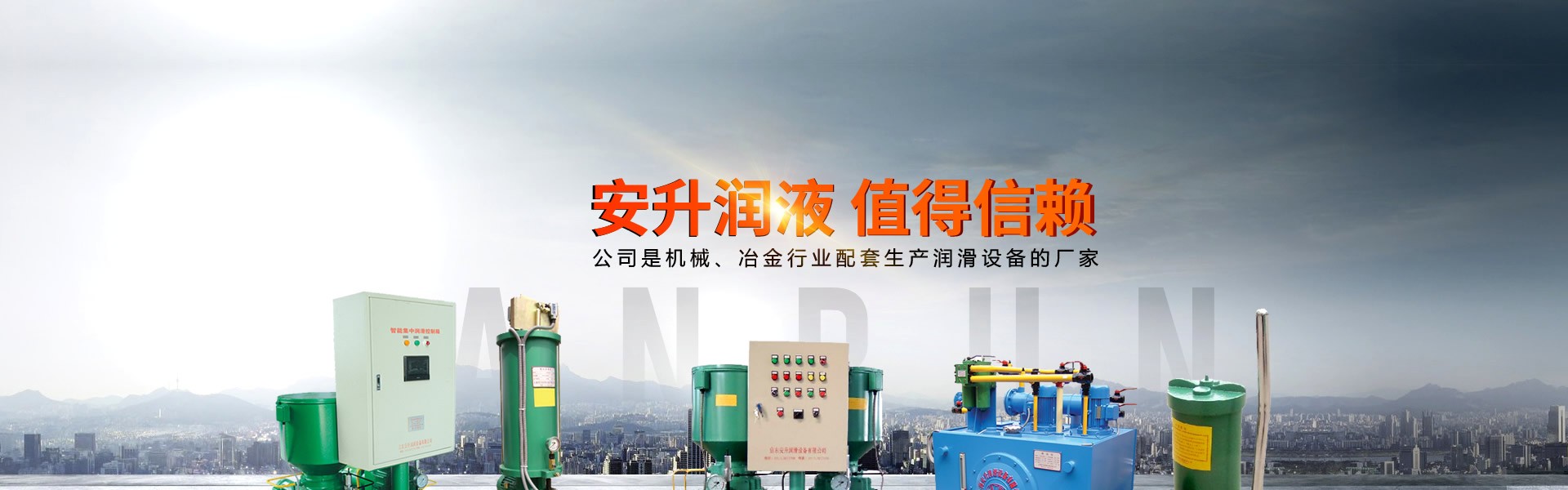


Lubrication equipment manufacturers highlight that proper equipment lubrication plays a critical role in extending the lifespan of machinery. Effective lubrication enhances operational efficiency, reduces breakdowns, and facilitates smooth production processes. Conversely, inadequate lubrication can significantly increase the rate of equipment failures, leading to more frequent and extended downtime. This can disrupt production schedules, potentially resulting in incomplete tasks and substantial losses for the company. Lubrication equipment can be categorized into automatic and manual types. The grease gun we commonly see is a manual lubrication device; automatic systems include pneumatic, electric, and hydraulic equipment, which are methods of oil delivery. However, they still require manual guidance to direct the oil to the lubrication points, thus not being strictly classified as lubrication.
What are the classifications of lubrication equipment? Lubrication Equipment Manufacturers Introduce!
1. Oil Lubrication. Directly spray the main lubricant on the exterior of objects in motion or generating a significant amount of heat. This cools or separates the two exteriors, preventing excessive heat generation during friction that could deform internal molecules, leading to premature wear, detachment, or deformation. This method is easy to implement, but its economic viability must also be considered.
2. Oil and Gas Lubrication. A popular explanation is that oil follows the flow of gas. During the movement of gas, a small amount of oil droplets adhered to the pipe wall are propelled forward, and the oil-gas mixture containing these droplets is sprayed onto the friction surface. It is used in the form of an oil and gas lubrication system, which is an economical, quick, and energy-saving method. China has fully mastered this technology, with numerous domestic manufacturers already producing oil and gas lubrication system equipment. It is widely used in guide bearings of high-speed wire rod mills, roller bearings of plate and strip rolling mills, bearings of continuous casting machines, and many other industrial equipment. Oil and gas lubrication has been applied to numerous industrial devices and has achieved excellent results.
3. Oil雾Lubrication. As the name implies, oil is sprayed onto the exterior of objects in a thin mist form. Due to its low oil consumption and high oil utilization, this type of lubrication is also known as micro-lubrication and is widely used in deep hole machining, tool cooling, roller bearings of rolling mills, and more.
4. Lubricating Oils. During the operation of equipment, the friction pairs of mechanical relative motion are generally processed, externally smooth. However, in reality, regardless of the high degree of processing precision, the external surface of machine parts cannot be completely smooth. On a microscopic level, there are variations in height and unevenness.
With the advancement of science and technology, lubrication equipment has evolved to program control. Manufacturers can pre-input the lubrication cycles and oil quantities for each lubrication point according to customer needs. The workers' role is simply to periodically replenish oil in the containers. Throughout the equipment's operation, the system automatically dispenses varying amounts of lubricant to different lubrication points as per the program, thereby achieving lubrication. The intelligent centralized lubrication system is a high-tech product that fully optimizes and integrates information technology, control technology, and modern technology. It boasts prominent advantages in design philosophy, system principles, system structure, and hardware configuration, completely replacing traditional single and double-line systems. Compared to general dry oil centralized lubrication systems, the intelligent dry oil centralized system offers multi-point random combination quantitative oil supply, single-point control oil supply, remote centralized management, energy saving, and environmental protection. As industry develops, an increasing number of enterprises require this machine, as extending the lifespan of machinery is necessary to save costs.
