


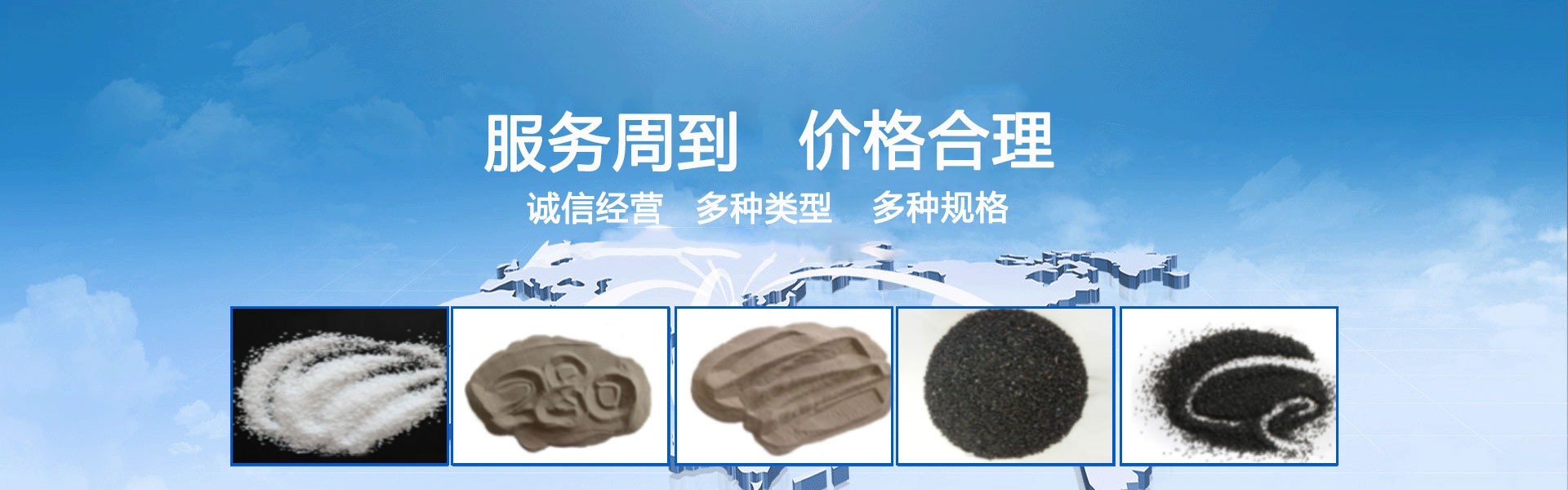

Gritstone, also known as refractory sand or diamond sand, boasts high hardness and resistance to high temperatures, making it widely applicable. It can be used as an abrasive or in the production of metal products, glass, semiconductors, and more. Additionally, it is employed for floors that require resistance to wear, impact, and dust reduction, such as parking lots, factories, workshops, etc. In construction, every step must be meticulously executed to ensure the quality of the flooring. For specific construction techniques, please refer to the following:
1. Foundation concrete pouring
The preparatory work for the grassroots concrete pumping process should be thoroughly done to ensure continuous pouring. Concurrently, a concrete setting time test must be conducted to pre-determine the time from initial to final setting of the concrete, making it suitable for the necessary construction procedures of the diamond sand surface layer. During concrete pouring, mark the boundaries with pre-buried steel channels, fill and compact the concrete between the two channels, then use a trowel to level the surface against the steel channels. Once the concrete is no longer flowing, unscrew the fixed nuts, remove the steel channels, and immediately fill, compact, and smooth the concrete with a trowel. Hand it over to the surface layer construction team for further work.
Carborundum
2. Surface Construction
Grit sand surface layer is a pre-mixed product mainly composed of tightly packed high-strength aggregate and special additive formulations. The application is carried out during the initial setting stage of freshly poured concrete, with the product applied in two stages followed by specialized machinery to complete the job. The formed surface layer integrates with the underlying concrete, offering high strength, hardness, and non-dust properties.
3. The main construction processes include: 1) Removing the float, first layer application: Sprinkle the specified amount of 2/3 of the product before the base concrete is 5-6% dry, compact and roughen it with a polishing machine to allow it to penetrate the concrete surface. 2) Fine leveling, second layer application: After a certain period, sprinkle the remaining 1/3 in the same manner, using a polishing machine and a metal trowel for overall smoothing. 3) Troweling operation: Perform at least three passes of blade-type polishing based on the concrete curing condition. 4) Surface fine polishing: Finish the surface processing with either mechanical or manual troweling. 5) Maintenance: Apply maintenance agent based on weather conditions. 6) Cutting expansion joints and filling with PU glue. 7) Waxing and handover.
In summary, it is crucial to be aware of the concrete freezing time, select appropriate surface materials, and remind everyone of the importance of finished product protection. By addressing these points, the entire construction process can be completed more effectively. The editor also believes that with the excellent properties of金刚砂 itself, it will have a broader application and greater value in the future.
