
Product Details

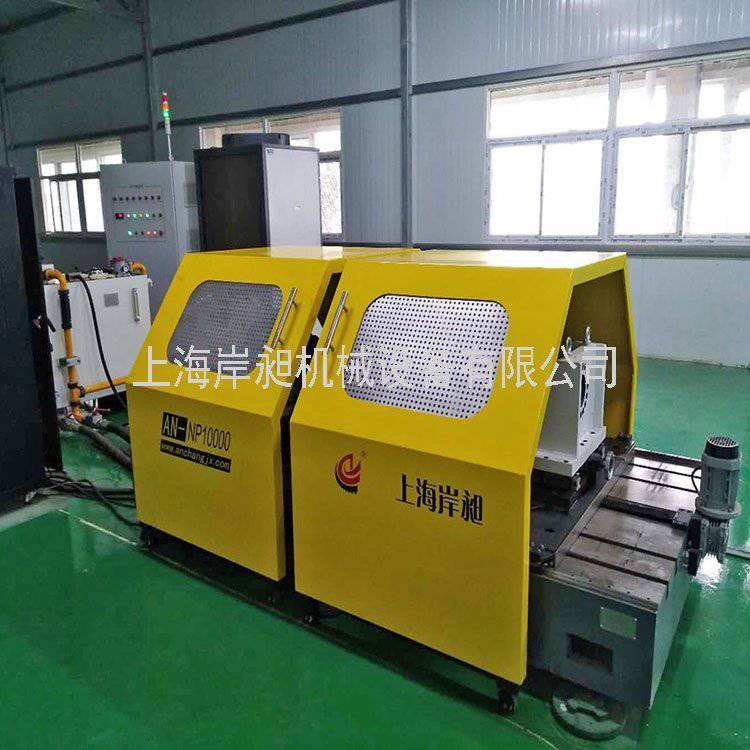
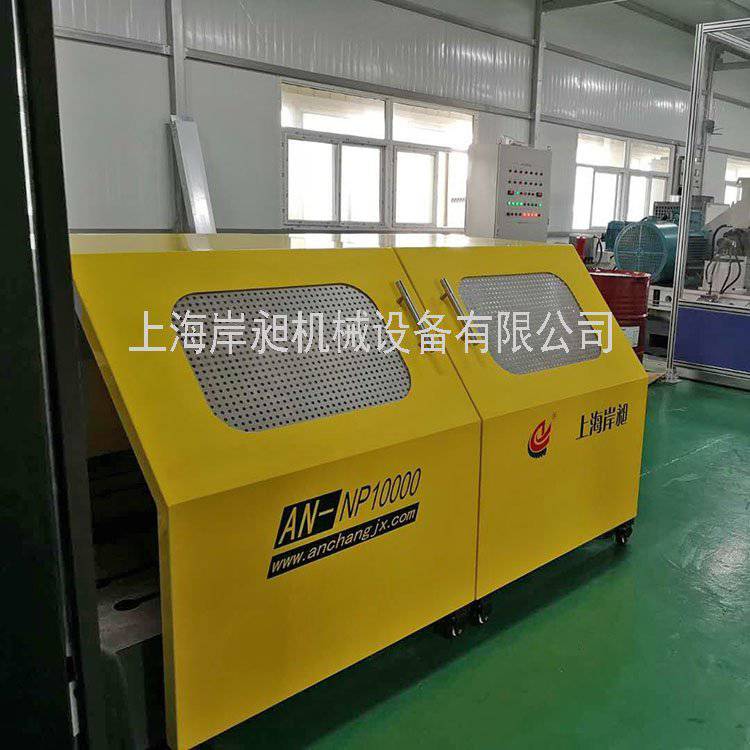
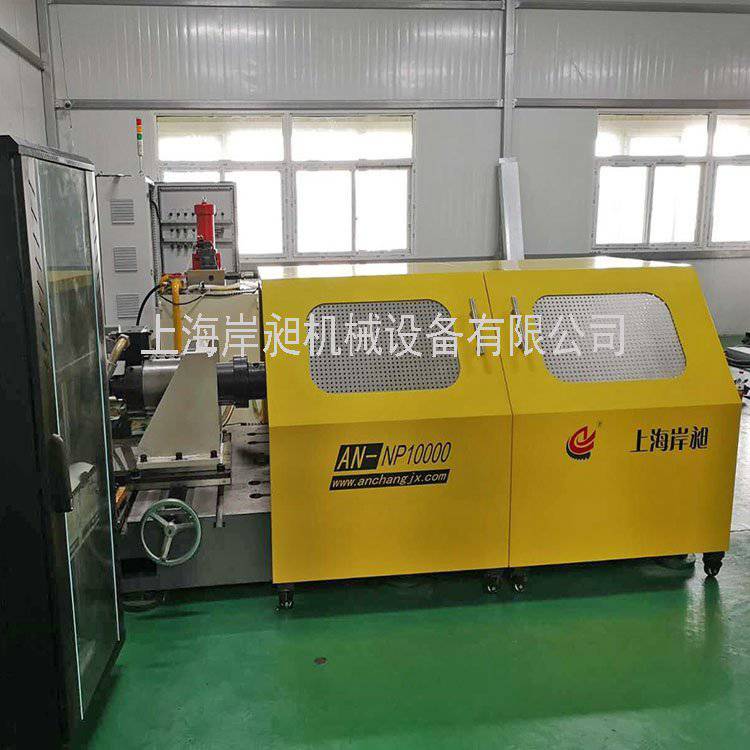
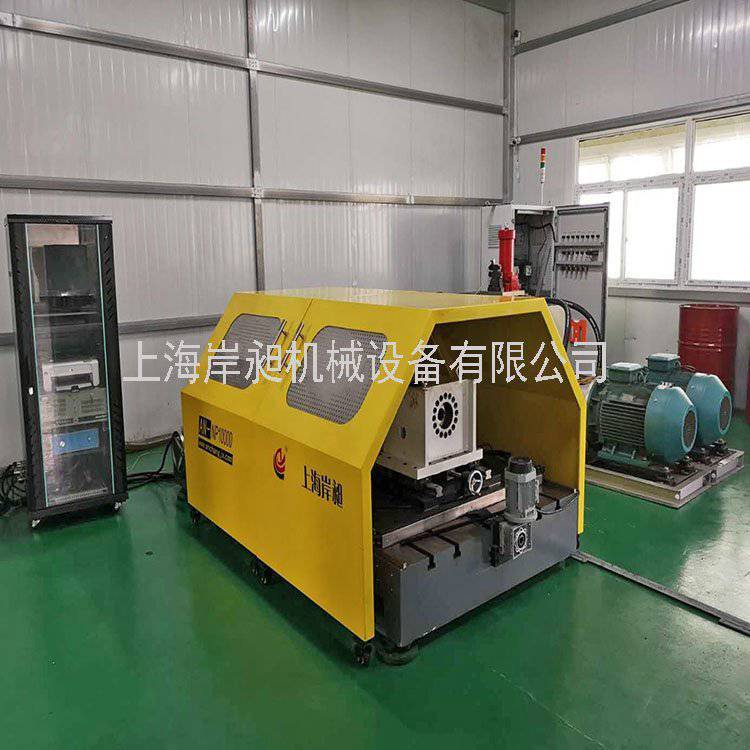
Transmission shaft series test machines, reinforced扭杆pre-torsion machines



产品Price 2.50/Tai
最小起订Quantity:1 Tai 供货总Quantity: 10000 Tai


Torsional Fatigue Testing Machine One,Usage: This test bench is capable of dynamic torsional fatigue tests on various shafts and rods. It is suitable for torsional fatigue life tests of components such as automotive drive shafts, constant-velocity joints, ball joints, automotive half shafts, and automotive drive axles. III.Key Technical Specifications: Four、Quality Assurance 1. The warranty period is one year from the final acceptance. If any quality issues arise with the equipment during the warranty period, the supplier will provide free replacement and repair. In case the issues are caused by the buyer's improper operation, the buyer is responsible for the cost of repair. The supplier will provide spare parts for the equipment. 2. The supplier should respond within 1 hour of receiving notice, provide a repair solution within 2 hours; resolve general malfunctions within 6 hours. If necessary, we can be on-site within 24-48 hours to repair or replace defective goods or parts, with the cost borne by the supplier. 3. Our company has dedicated after-sales service personnel who proactively monitor and provide dynamic support. They periodically review equipment operation status based on records, promptly identify issues, and eliminate potential hazards. 4. Free software upgrades provided, along with training or guidance for operators.
The testing bench can perform symmetrical and asymmetrical cyclic torsional fatigue tests. During the test, the computer controls the bench automatically according to set parameters. The screen displays torque values, angle values, frequency, amplitude, cycle count, and loading waveforms. Upon reaching the set count, it automatically stops and prints a result report. The bench also features click overload protection, overload protection for test torque and angle, emergency stop for overtemperature oil and clogged filter alarm functions.
II. Equipment Composition
The Torsional Fatigue Test Bench is mainly composed of the mainframe system, hydraulic system, servo control system, strong electric control system, computer data processing system, and fixtures.
● Host:
This unit features a frame structure. The drive system, fixed clamps, and movable supports are all mounted on the test platform, with their installation guaranteed by the process. The drive and measurement (torque sensor, angle sensor) components of the test bench are installed in the drive seat. The torque applied directly to the test piece by the rotating actuator is measured and output by the torque sensor, while the angle is measured and output as a pulse signal by the photoelectric encoder.
The mainframe is equipped with dynamic and static bidirectional high-precision torque sensors. A rotary servo actuator (loading actuator) is fitted with an electro-hydraulic servo valve for the main control. The main actuator features low friction, low damping, and good lateral force resistance, with a coaxial installation of a high-resolution photoelectric angle sensor. This setup is used to measure torque and angle.
Hydraulic System:
The hydraulic oil source pump unit is composed of a three-phase asynchronous motor and a gear pump. The system pressure is set by an overflow valve, and the pressure oil output to the system is filtered through a filter with a precision less than 6μm, ensuring the servo valve operates safely and reliably. The return oil filter cleans the hydraulic oil returning to the oil tank, maintaining the cleanliness of the oil in the tank.
Fuel Tank Components
The fuel tank is made of steel plates through gas shielded welding, internally divided into two sections (suction oil area, return oil area) by baffles, with an oil outlet. The suction port of the lower single pump is equipped with an oil filter, and the oil pipe connected to the pump's inlet is a flexible hose to prevent vibration. The tank cover is fitted with a liquid level sensor, featuring low level alarms, automatic pump shutdown at excessive levels, and prompts for normal and upper limits. Additionally, oil temperature sensors and air filters are installed on the top cover.
Motor pump assembly
The pump station motor utilizes Shanghai Shangli's three-phase asynchronous motor, Beijing Huade's overflow valve, and Hangzhou Chengjie's internal gear pump. The oil pump and motor are assembled into a motor-pump unit with a bell housing and elastic梅花 couplings. It is connected to the oil tank's suction filter (with a shut-off valve) via a hose. This arrangement isolates the vibration of the motor-pump unit from the oil tank components, reducing vibration to a low level and minimizing noise. The motor-pump unit is fixed to a base焊接 with channel steel and equipped with a collecting pan.
Torque: ±10 KN·m (static)
2. Torque Accuracy: ±1% F.S. (static)
3. Corner: ±45°
4. Corner Accuracy: ±0.1° (static)
5. Swing Frequency Range: 0.05-6Hz
6. Control Methods: Torque, Angle
7. Load Waveform: Sine Wave
8. Testable piece length: 300-1500mm

Phone Consultation