


Copper-clad shielded cables are a widely used cable type in the power and communication industries, thanks to their excellent shielding performance and mechanical strength, effectively suppressing electromagnetic interference (EMI) and radio frequency interference (RFI). To enhance their shielding effectiveness, appropriate control techniques must be employed to ensure the cable's electromagnetic properties.
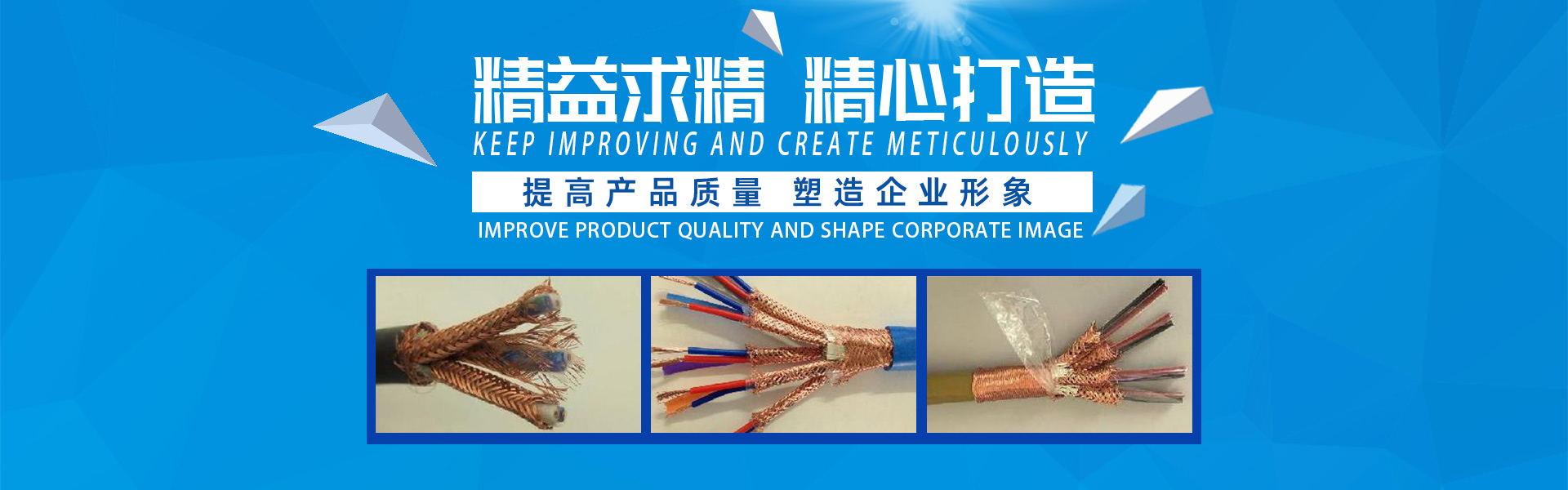
Firstly, to control EMI/RFI interference, the design phase of the cable must consider the structure and material of the shielding layer. Copper tape shielded cables are typically made up of multiple copper strips stacked together. To enhance the shielding effect, high conductivity copper strips can be used, along with increasing the number of layers and thickness of the copper strips. Furthermore, to ensure the cable's shielding performance, proper treatment at the copper strip junctions is necessary, such as employing reliable welding techniques or reliable crimping methods, ensuring conductivity and stability at the junctions.
Secondly, to enhance the shielding effect of the cables, a double-layer copper foil shielding structure can be adopted. By placing an insulating material between the inner and outer layers, electromagnetic interference between the copper foils can be effectively prevented. Additionally, the double-layer shielding structure also improves the cable's voltage resistance, protecting against the impact of external high currents.
Additionally, during the production of copper tape shielded cables, it is crucial to control the production process and ensure the quality of production. For instance, the surface of the copper tape must be smooth, free of burrs, to prevent a decline in the electromagnetic performance of the cable's shielding layer due to improper production methods. Simultaneously, a reliable crimping technique should be employed to ensure the reliable and sealed connection of cable ends, avoiding electromagnetic leakage caused by poor connections.
Then, when using copper tape shielded cables, it's crucial to pay attention to proper installation and connection methods. Employ a reliable connection method to attach the cable to the terminal equipment, ensuring good, stable, and reliable contact at the connection point. Additionally, be mindful to avoid laying the cable near strong electromagnetic fields, as well as on the ground, to minimize the impact of external electromagnetic fields on the cable.
In summary, controlling electromagnetic interference (EMI) and radio frequency interference (RFI) in copper strip shielded cables requires addressing multiple stages from design, production, to usage, and implementing appropriate control techniques to ensure the cables' electromagnetic performance.
