
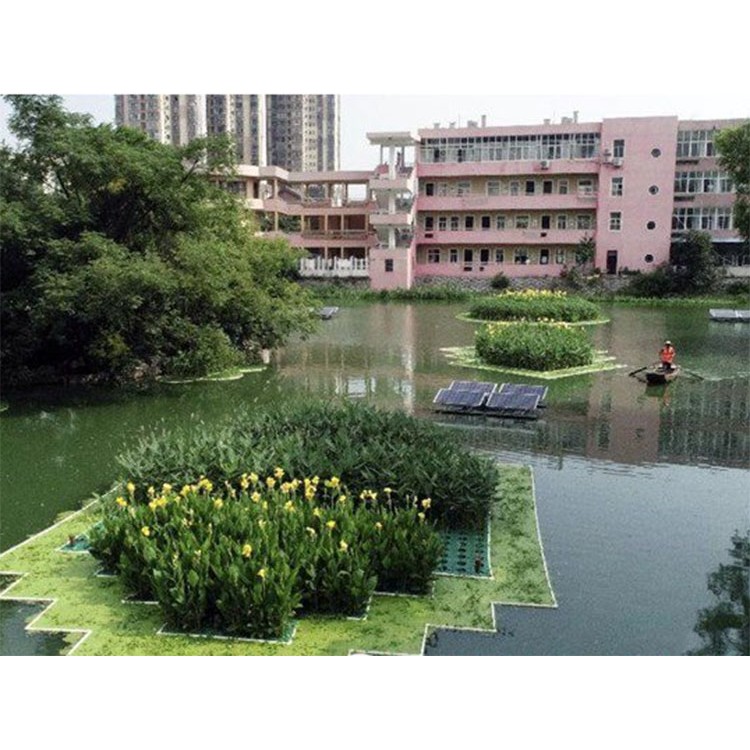
 Ecological Floating Island
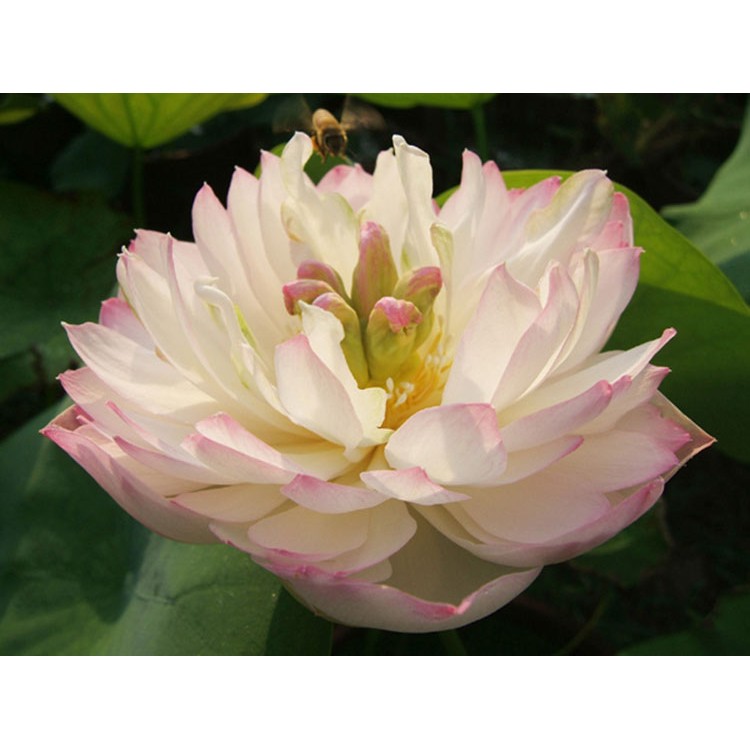 Exquisite lotus petals
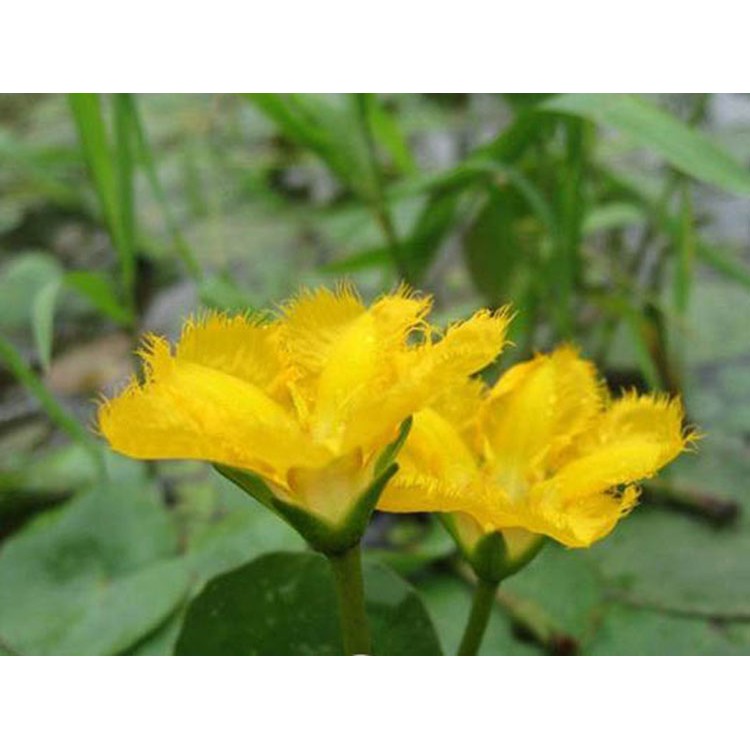 Water Dropwort
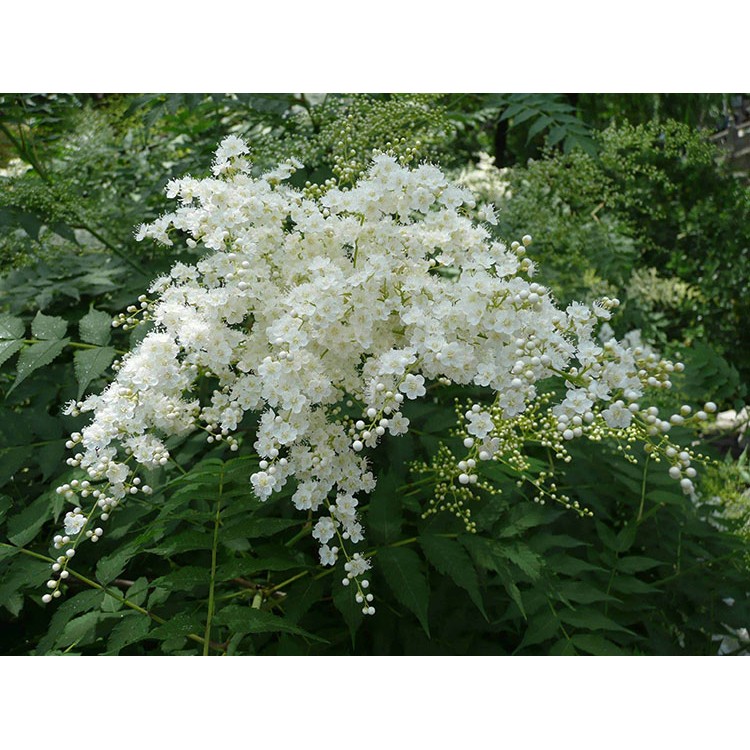 Pearl梅
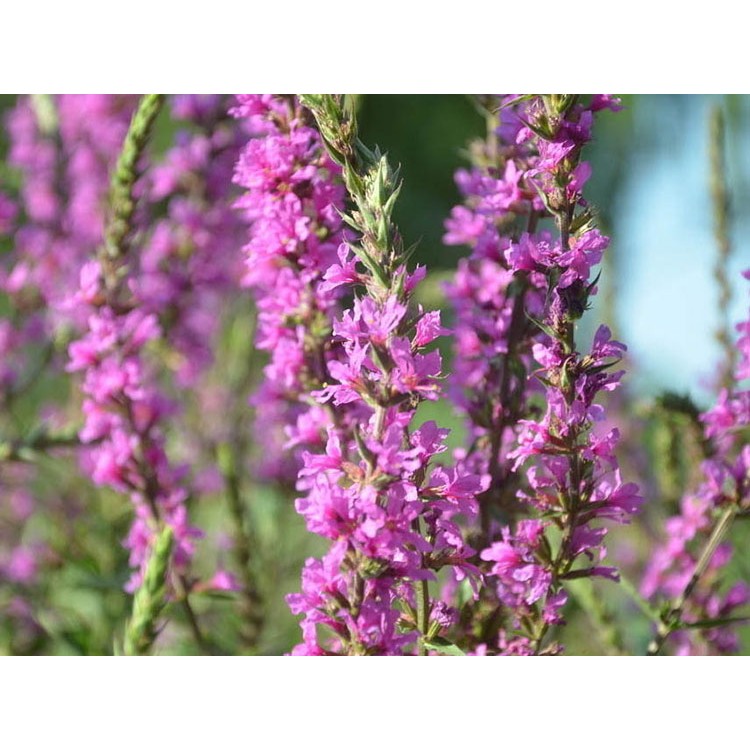 Chinese Rushwort
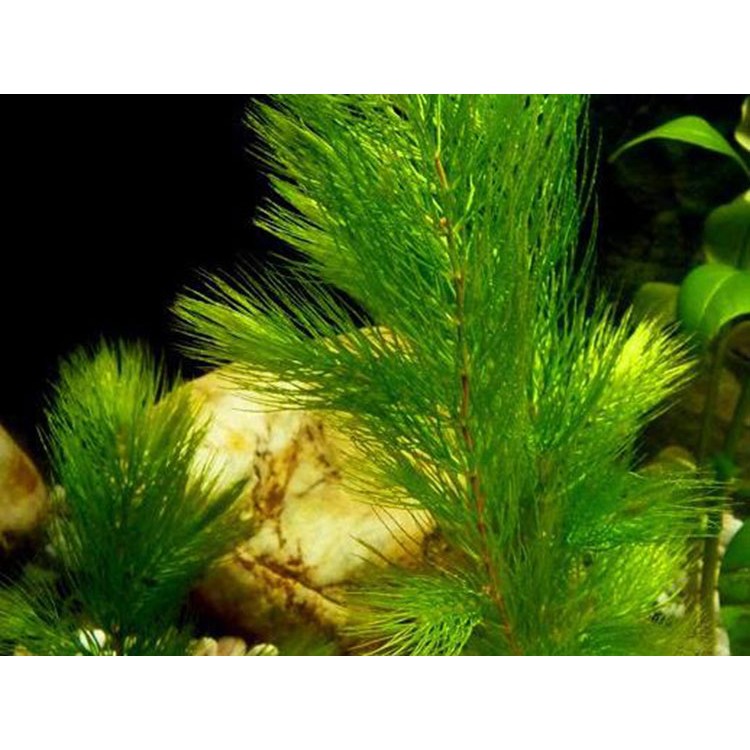 Goldfish plant
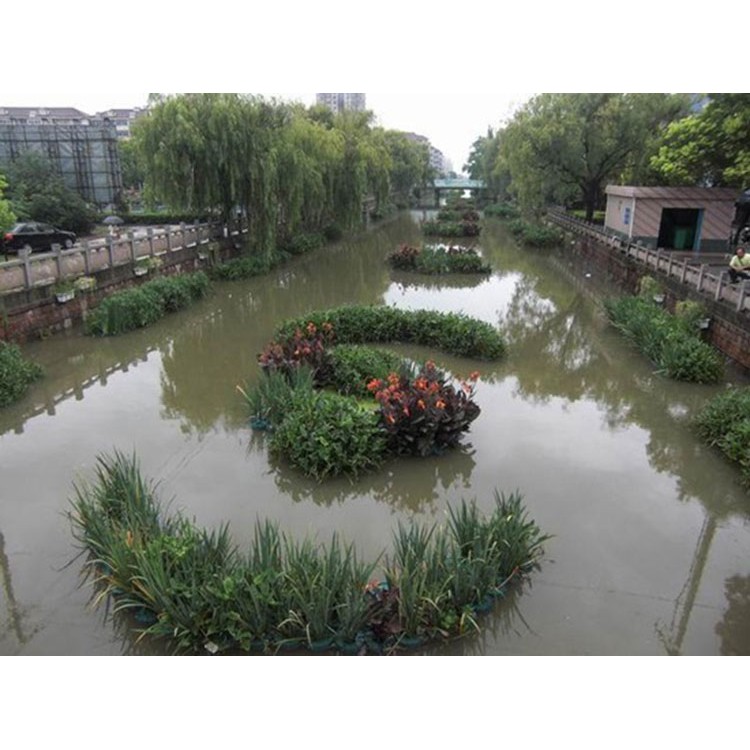 Shanghai Floating Island Case
Product Details

Forest seedling breeding and seedling cultivation; planting and selling of se...

产品Price Negotiable
最小起订Quantity:100 tree 供货总Quantity: 10000 tree


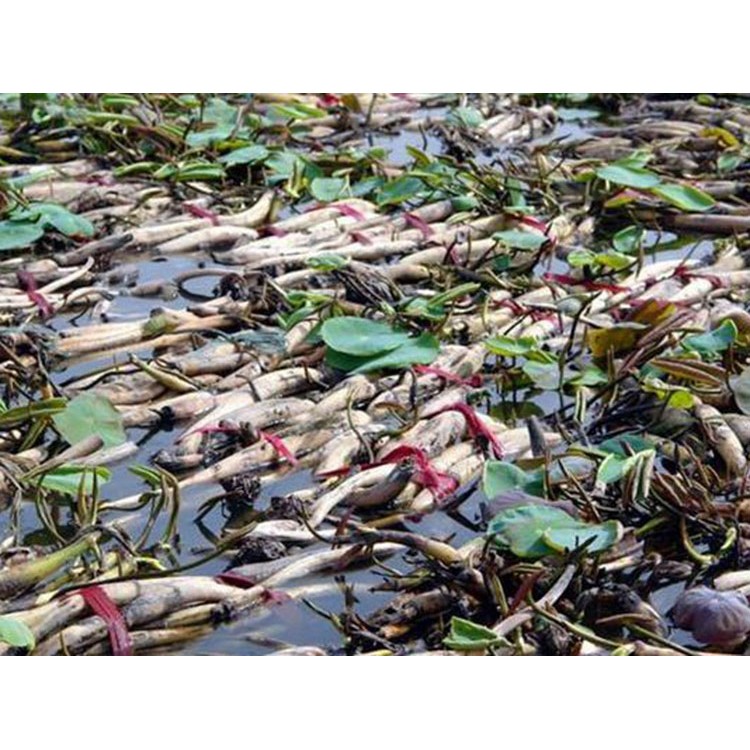
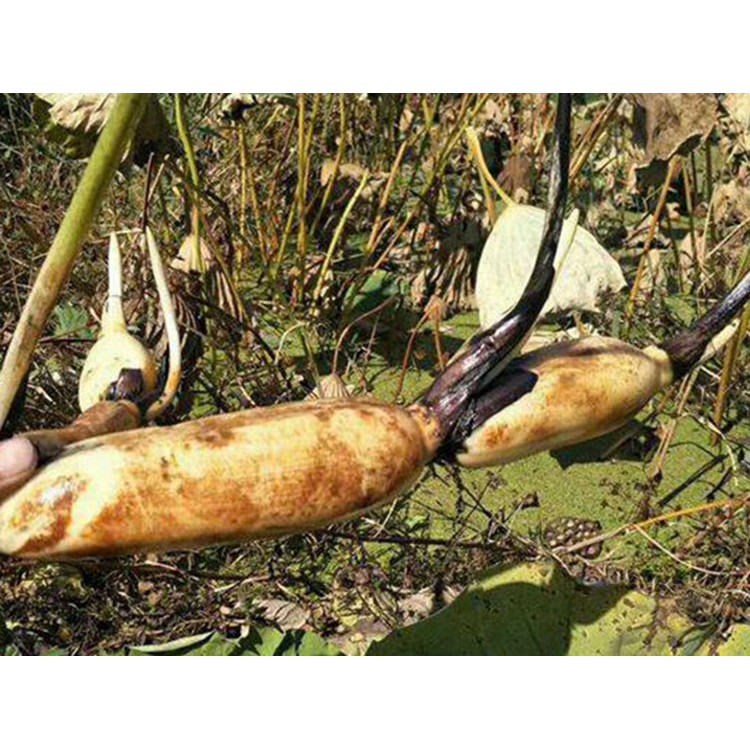
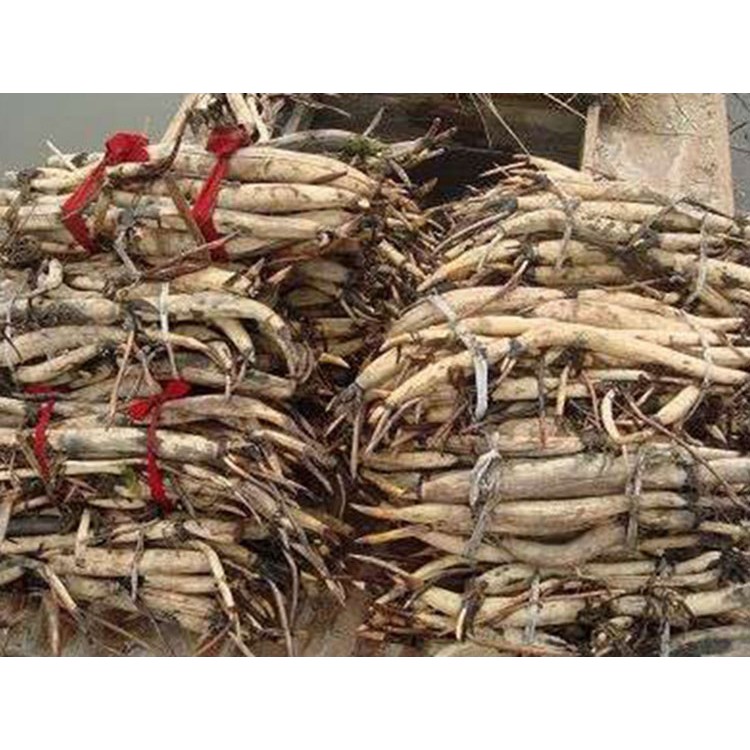
Sowing propagation saves seed lotus tubers, labor, and capital, is convenient for transportation, easy to operate, and the lotus plants have strong vitality after planting, allowing for large-scale and rapid propagation. However, seedlings are prone to variation, which cannot maintain the excellent traits of the variety, and are generally used more for breeding new varieties. Propagation techniques for planting, as early as the 6th century in Jia Sixie's "Qimin Yaoshu," have detailed records in the "Method of Planting Seed Coconuts." The essentials include: Firstly, the seed coconuts used for planting must be completely ripe with blackened fruit skins; Secondly, the seed coconuts should be processed to break the hard fruit tissue to allow water penetration, promote germination, but not damage the flesh of the seed; Thirdly, before sowing in the pond, each seed coconut should be wrapped in a thick mud ball to prevent it from floating once submerged. Once germinated, the young roots grow straight into the mud. The entire basic technique has been passed down to the present day without deviation from its essence. Lotus seeds are long-lived, without a dormancy period, and can be harvested, selected, and sown at any time once they mature. They can also be used for sowing and propagation after several years, decades, or even thousands of years, provided that only mature lotus seeds are suitable for sowing. The hard and sealed fruit skin of the lotus serves as a self-protection mechanism for the survival of offspring in adverse environments. The red lotus in the large lakes has survived frequent natural disasters like floods and droughts, no doubt due to the "natural sowing" of countless seeds scattered in the lake. Once the environmental conditions improve, new life quietly emerges. In 1954, the Yangtze River flooded in the middle and lower reaches, causing the 30,000 hectares of lotus in Honghu Lake, Hubei, to be destroyed. After 1958, a large number of lotus seeds began to germinate in the lake, and the green leaves once again reached the sky. The wild lotus along the Heilongjiang River basin and its tributaries has been passed down from ancient times to the present, relying on the unique natural propagation and lineage continuation ability of the lotus seeds.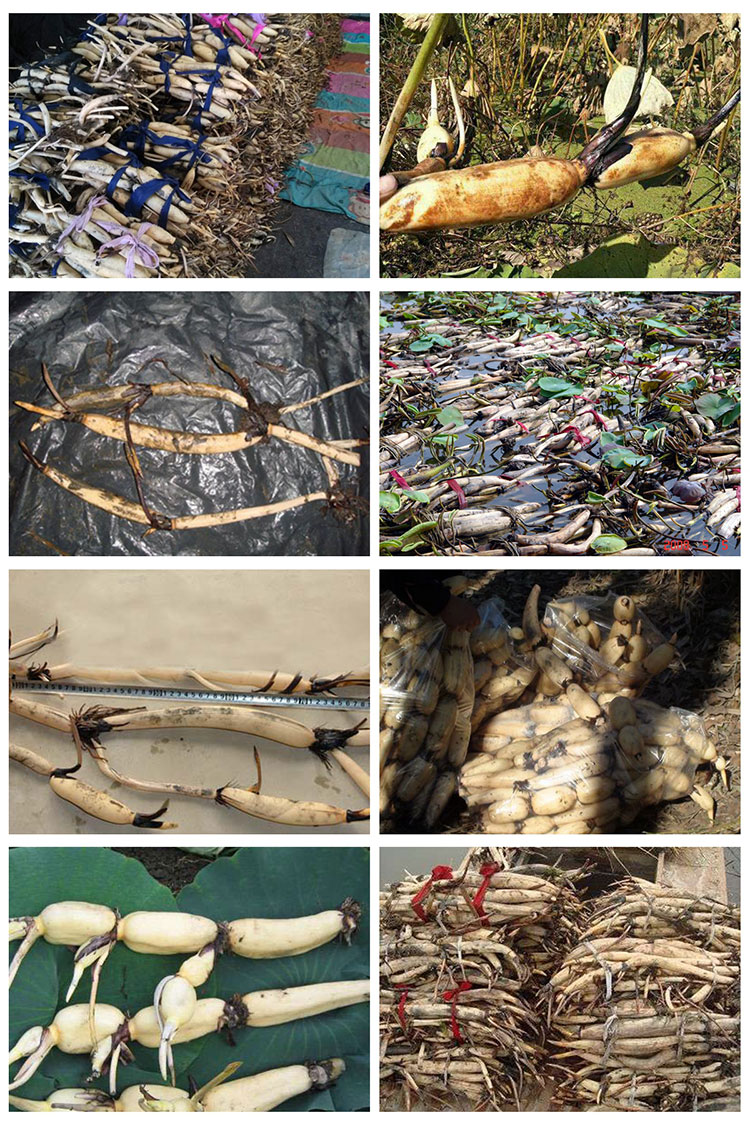

Phone Consultation