
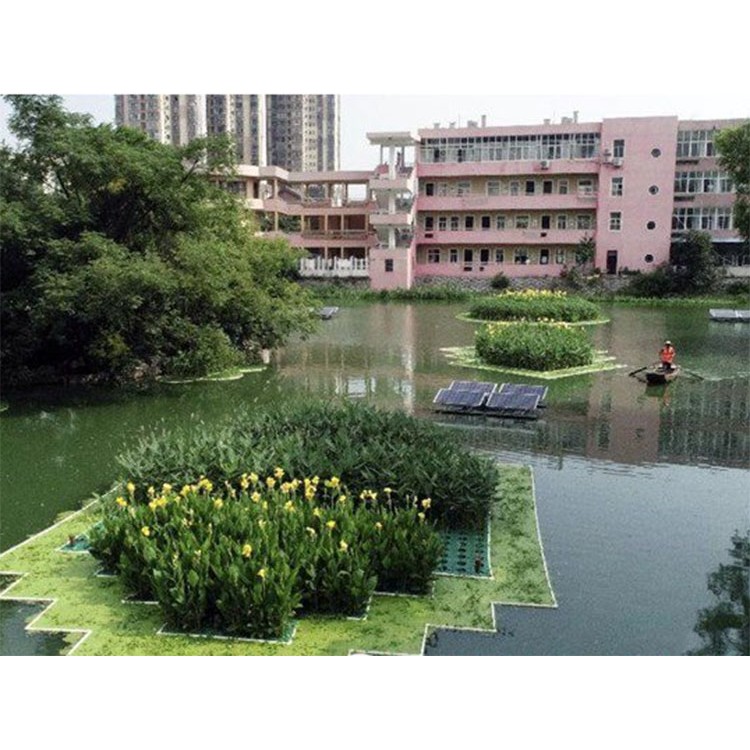
 Ecological Floating Island
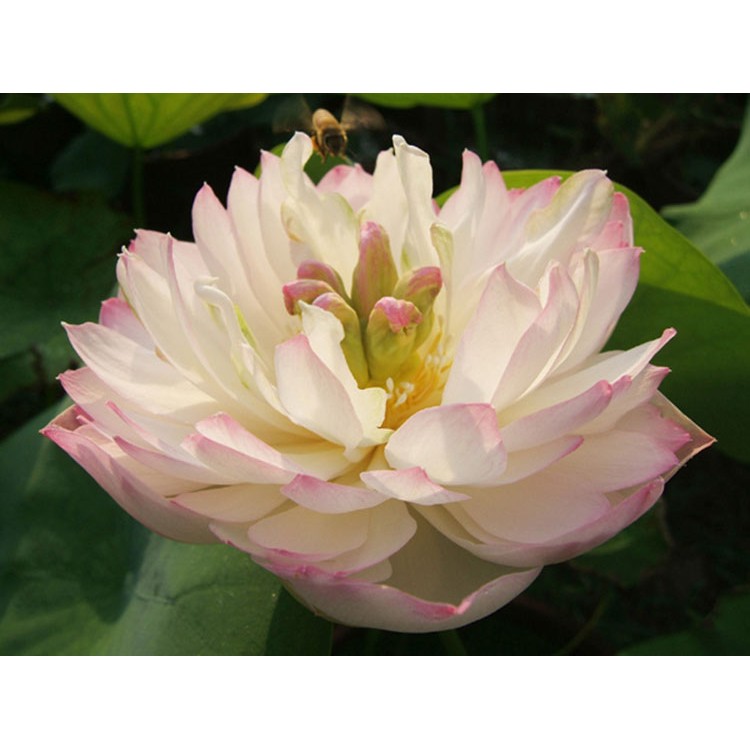 Exquisite lotus petals
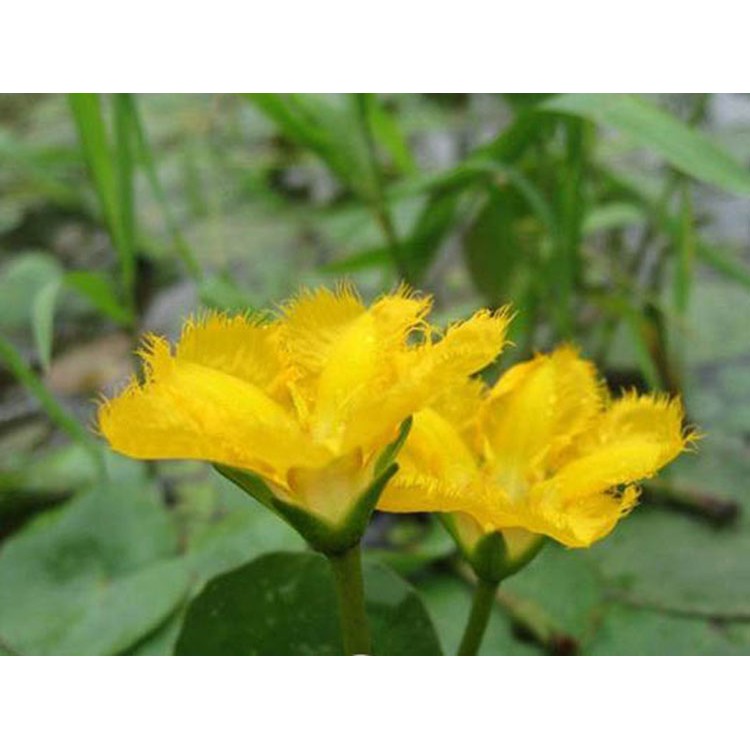 Water Dropwort
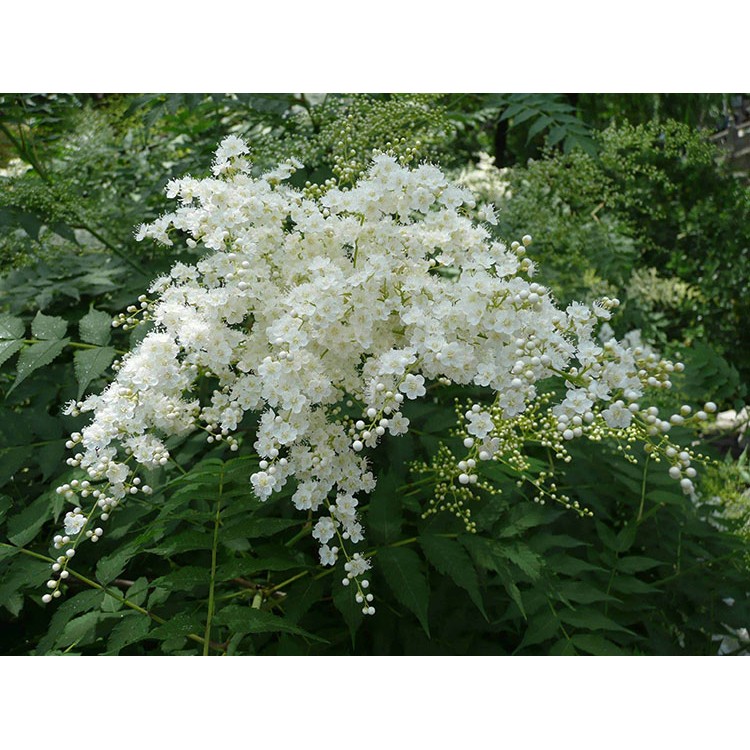 Pearl梅
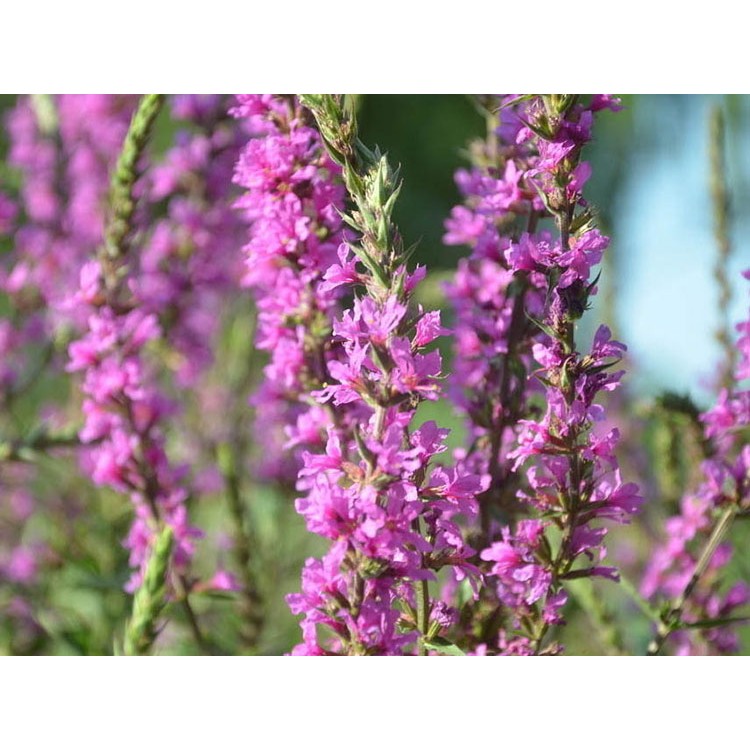 Chinese Rushwort
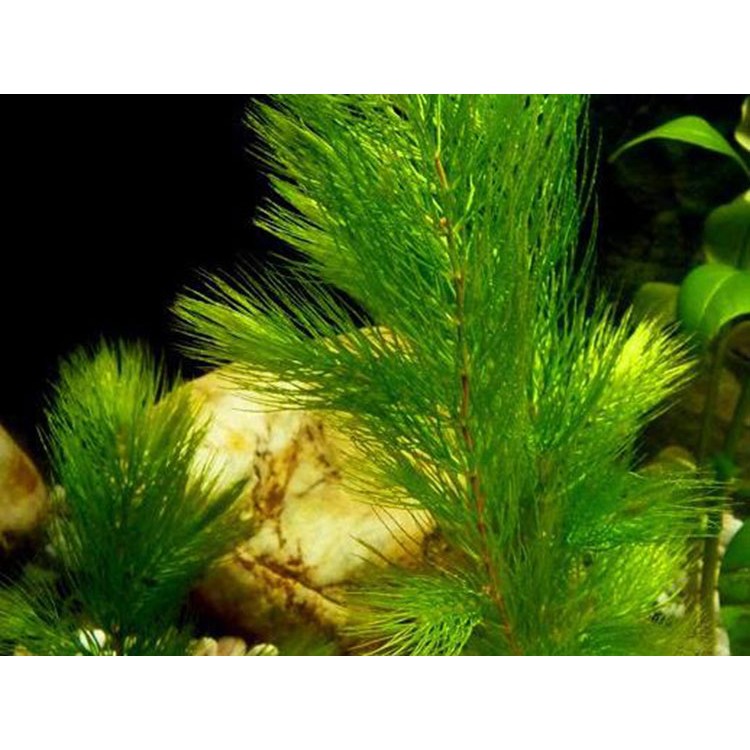 Goldfish plant
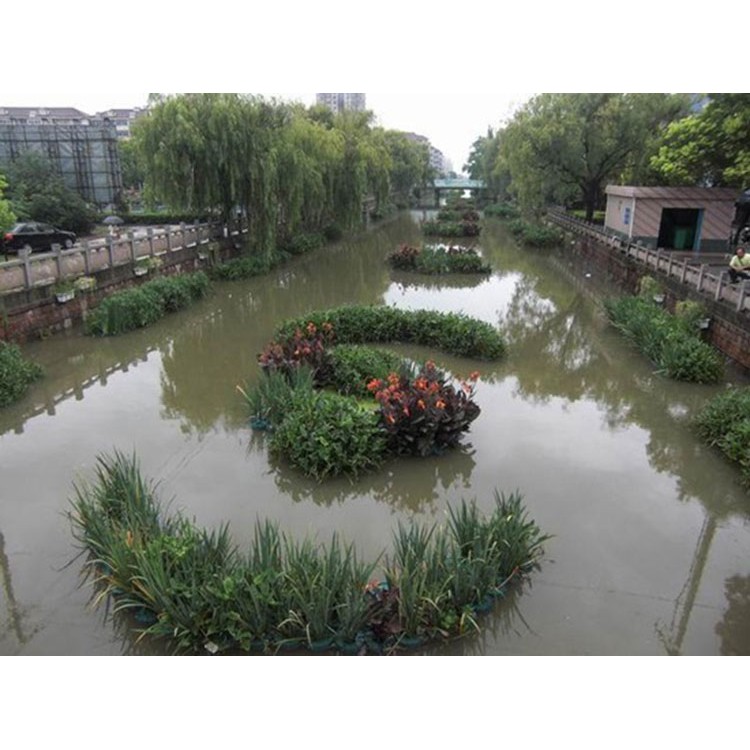 Shanghai Floating Island Case
Product Details

Forest seedling breeding and seedling cultivation; planting and selling of se...

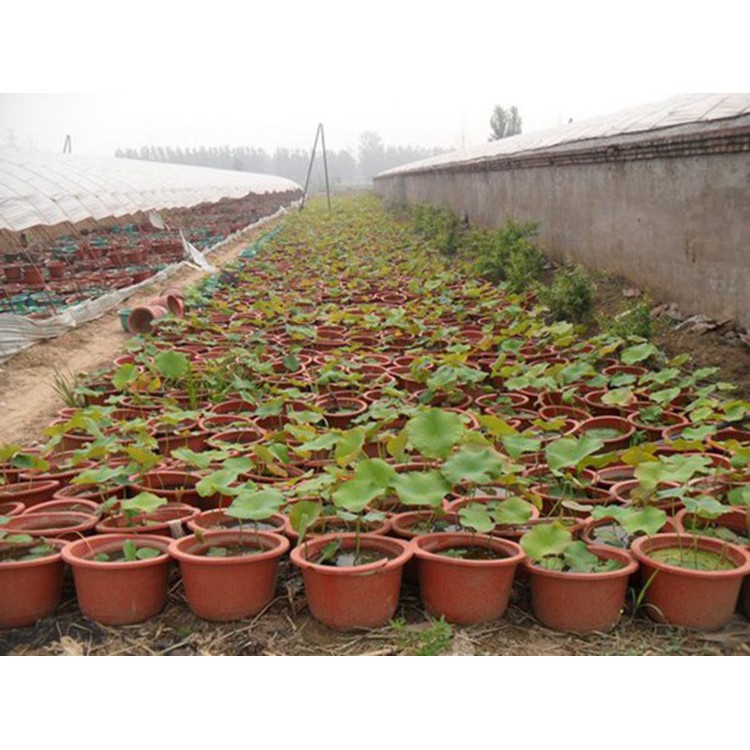
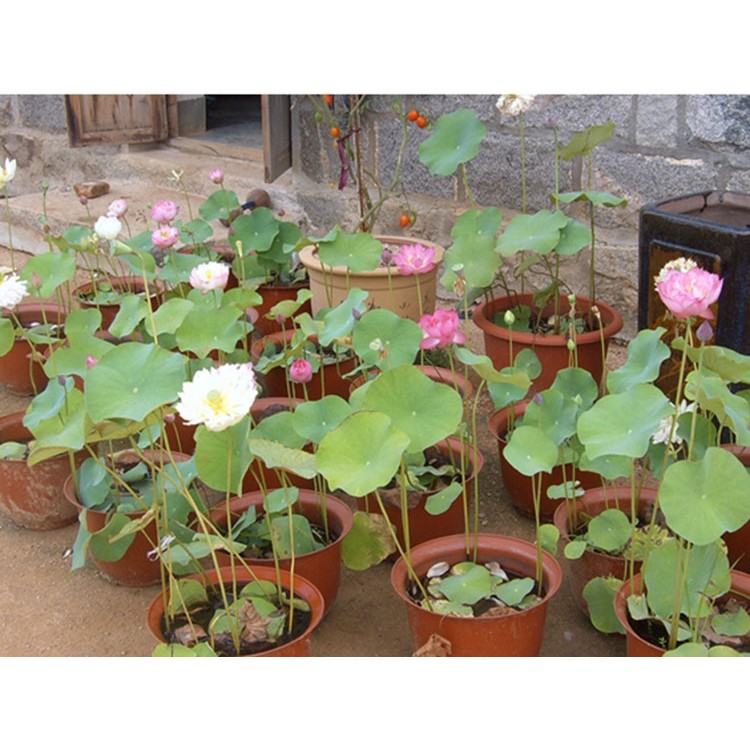
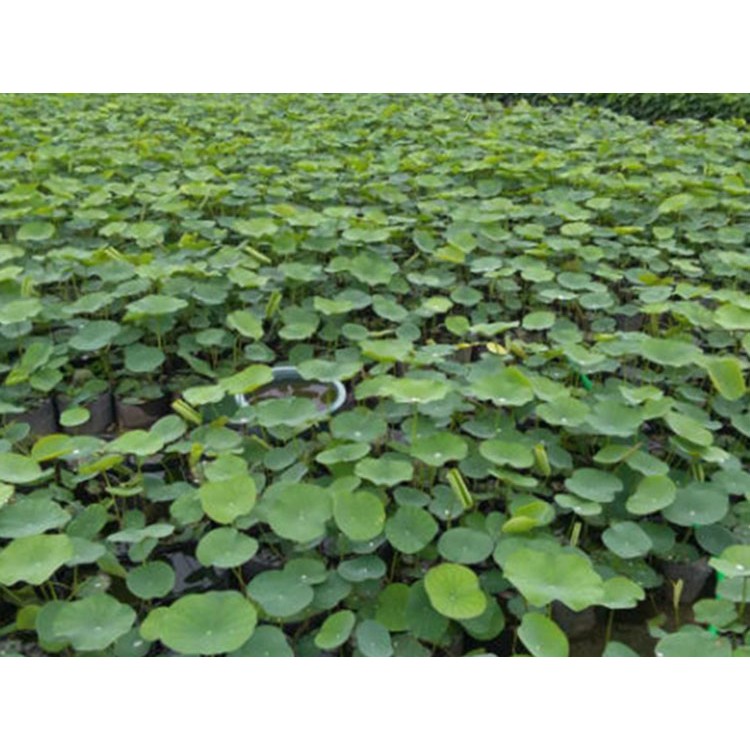
产品Price Negotiable
最小起订Quantity:100 piece 供货总Quantity: 10000 piece


Aquatic Flower Classification I. Lifestyle Categories 1. Erect-stemmed aquatic flowers (including those wet-growing in marshes) Tall and vibrant in flower color, the majority of plants have distinct stems and leaves; their roots or underground stems grow into the soil, while the upper part of the plant protrudes above the water surface. Lotus, Yellow Iris, Lythrum, Iris sibirica, Typha, Spikerush, Water shield, and Thalia dealbata (Spathiphyllum) etc. 2. Floating-leaf aquatic flowers Rhizomes are well-developed, flowers are large and vibrant, with no distinct above-ground stems or stems that are too weak to stand upright. Typically, their interiors store substantial amounts of gas, causing the leaves or plants to float on the water surface. Lotus, Victoria Waterlily, Duckweed, Frog's Eye, and Water Spinach, etc. Floatable Aquatic Flowers Roots do not grow in the mud, the plants float on the water's surface, drifting about with the current and waves. Aquatic Flowers Aquatic Flowers Large-leaf Pondweed, Water Hyacinth, Water Lettuce, Water Chestnut, etc. Submerged aquatic flowers Roots grow in the mud, with the entire plant submerged in the water, and well-developed aerenchyma. Like: Chara, Cabomba, Hydrilla, Vallisneria, and Potamogeton spp. Section II: Classification of Water Body Conditions Waterbody Conditions The roots, stems, and leaves of aquatic flowers often contain interconnected aerenchyma for oxygen supply in aquatic environments. Generally, slow-moving water bodies are conducive to growth; however, some species require faster-flowing streams or springs, such as watercress and stinging nettles. Most species, except for certain marsh plants that can grow in moist areas, require relatively stable water depth. The bottom soil should be rich in organic matter and clayey. They can typically be categorized into the following five types: Aquatic plants generally grow in shallow water areas with water depths of less than 0.5 centimeters, such as marshes. For example, the Acorus calamus of the Araceae family has underground rhizomes. Aquatic Flowers Aquatic Flowers Stems and upright sword-shaped leaves; bloom in yellow flowers in early summer, often planted along pond edges or combined with lotus flowers and water lilies for ornamental purposes. The entire plant can also be used as a spice or for medicinal purposes. The sedge Cyperus alternifolius has elegant and graceful leaves, suitable for pot cultivation or placed on pond rocks for viewing. The iris Iris pseudacorus blooms in bright yellow flowers in spring and summer, ideal for water's edge planting or among stream rock crevices. The Lythrum salicaria of the loosestrife family blooms in purple flowers from summer to autumn, suitable for planting by water or in flower borders, and can also be grown in pots. The cruciferous Nasturtium officinale, also known as watercress or watercress, blooms in white flowers in summer and can be used as a vegetable, making it an excellent garden water-side plant. Water-resistant Stems extend above the water surface, generally adaptable to waters up to 1 meter deep. In addition to lotus, there's also the wide-leafed Typha (Typhalatifolia), a species from the Typhaceae family, with plants reaching 1.5 to 2.5 meters in height, featuring linear leaves, small flowers, and spicate inflorescences suitable for cut flowers. The Typha flos and leaves can be used as industrial raw materials, among other applications. Aquatic Flowers Aquatic Flowers Floating-leaf species float on the water surface or slightly above it, and can grow in shallow water to depths of 2 to 3 meters. For example, the lotus (Euryale ferox), a member of the Nymphaeaceae family, has a spiny whole plant, its leaves are clustered, and they float on the surface; it blooms purple flowers in summer, with flower buds resembling a chicken's head. The water lily (Nymphaea tetragona) of the same family is both beautiful in flower and leaf, with solitary white flowers floating on the surface; its leaves are horseshoe-shaped with long stalks; they are often potted and placed in water for garden decoration, enhancing the pond scenery; their roots have the function of purifying wastewater. Other species in the same genus, such as white water lily (N. alba), yellow water lily (N. mexicana), and fragrant water lily (N. odorata), are also suitable for ornamental purposes. Submersible type Stems and leaves are fully submerged in water, capable of adapting to deeper water bodies, such as in goldfish algae (Sargassum), Vallisneria, and water spinach, etc. Floating Items Roots usually do not grow within the soil but extend into the water, with the plant floating on the surface or drifting with water currents or waves. Examples include duckweed, water lily (large spike), and water hyacinth (凤眼莲).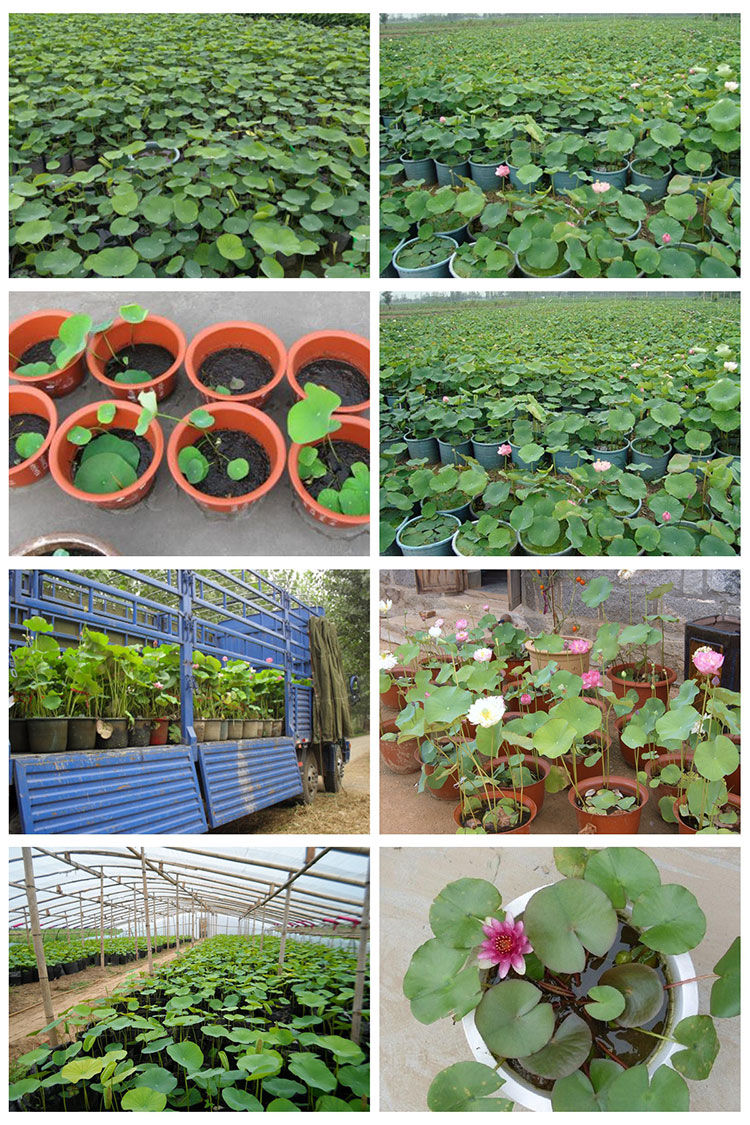

Phone Consultation