
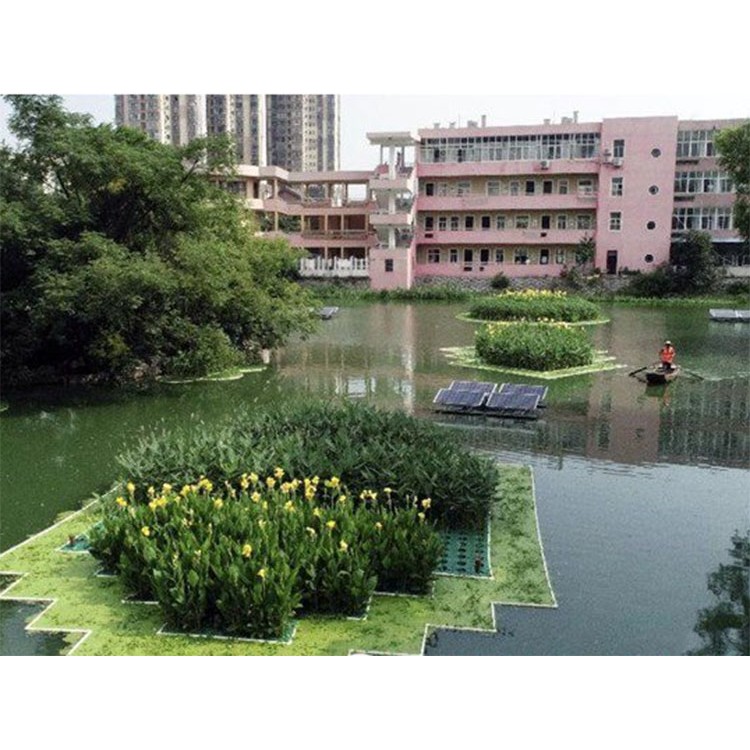
 Ecological Floating Island
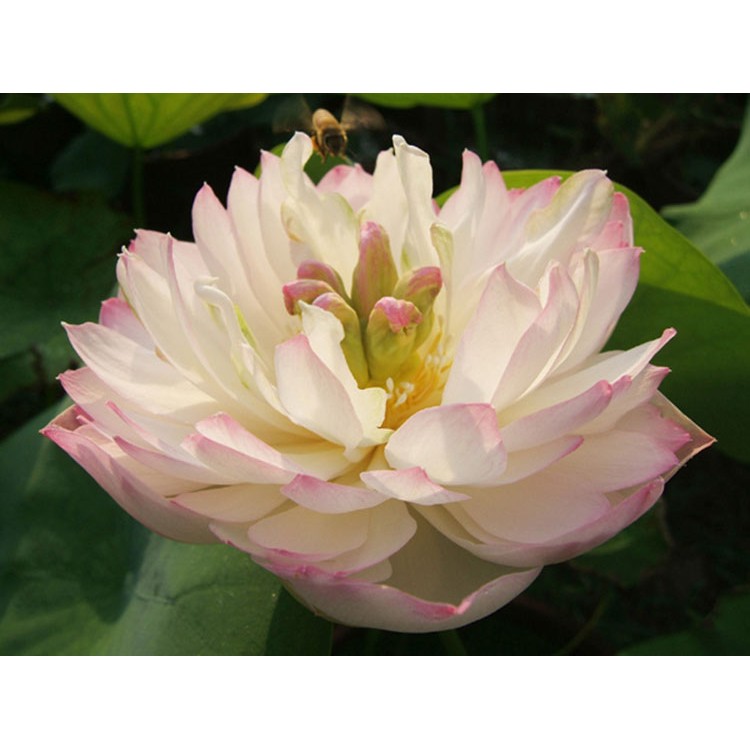 Exquisite lotus petals
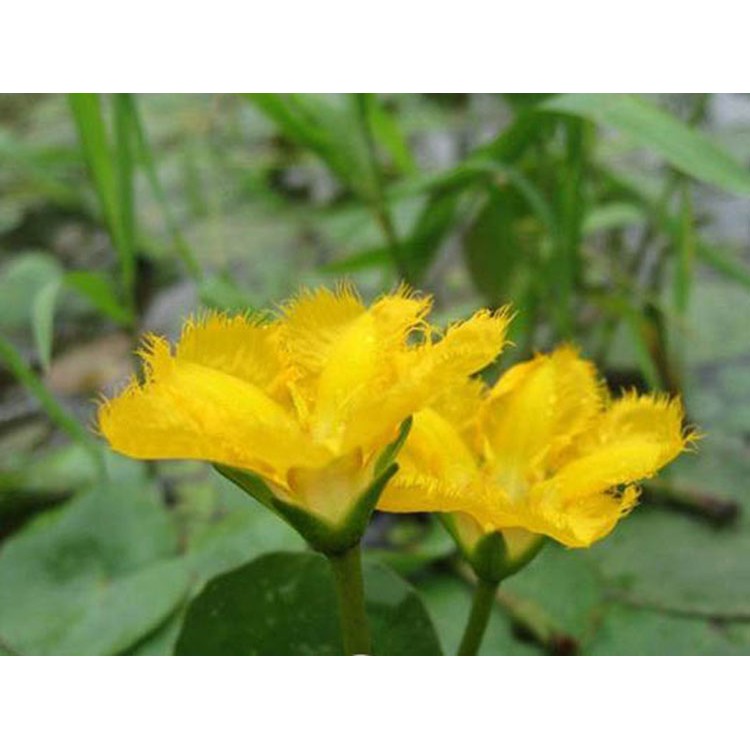 Water Dropwort
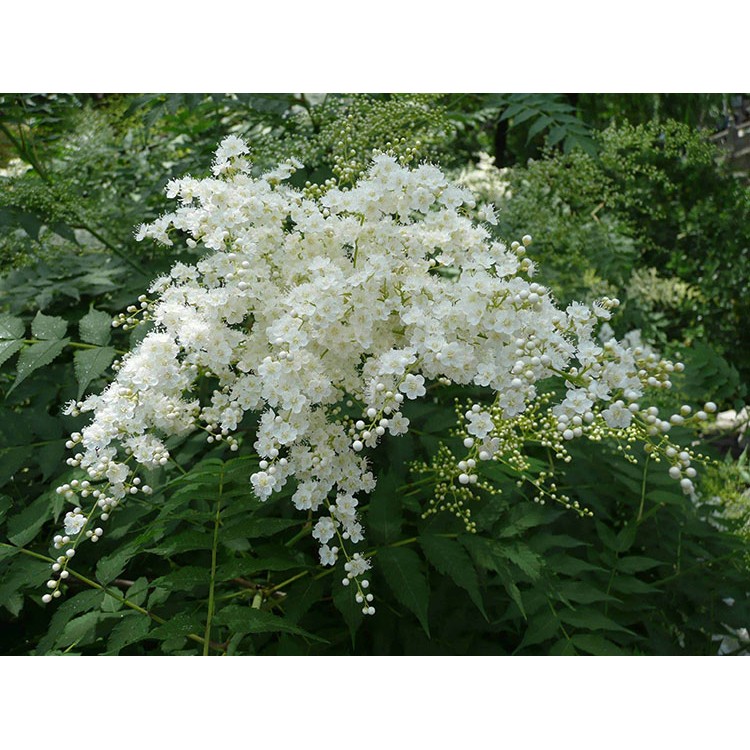 Pearl梅
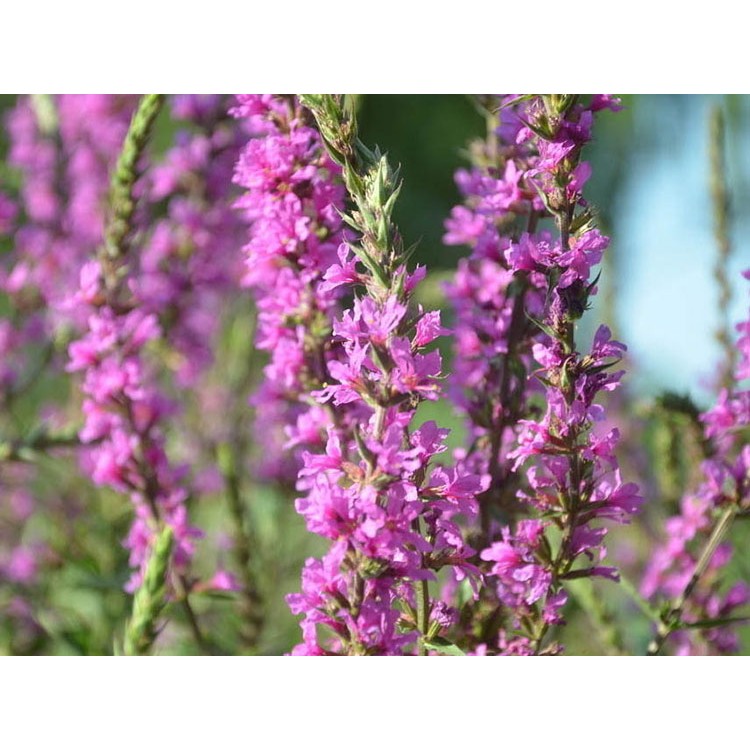 Chinese Rushwort
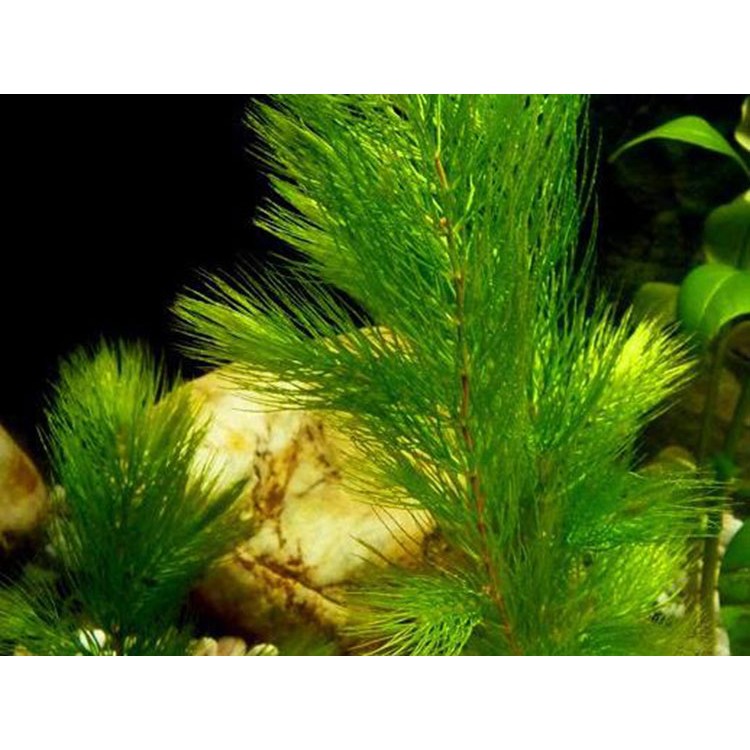 Goldfish plant
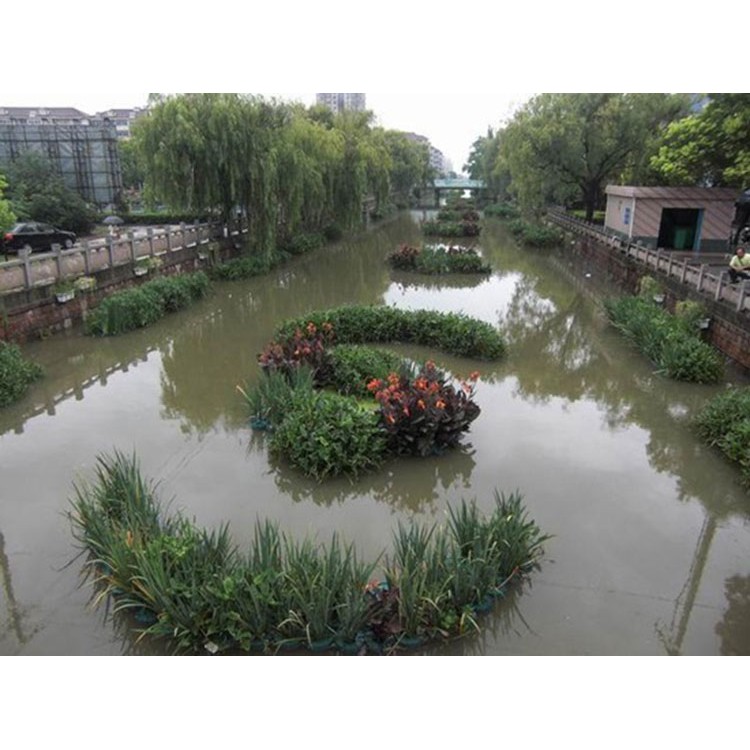 Shanghai Floating Island Case
Product Details

Forest seedling breeding and seedling cultivation; planting and selling of se...

产品Price Negotiable
最小起订Quantity:100 tree 供货总Quantity: 10000 tree


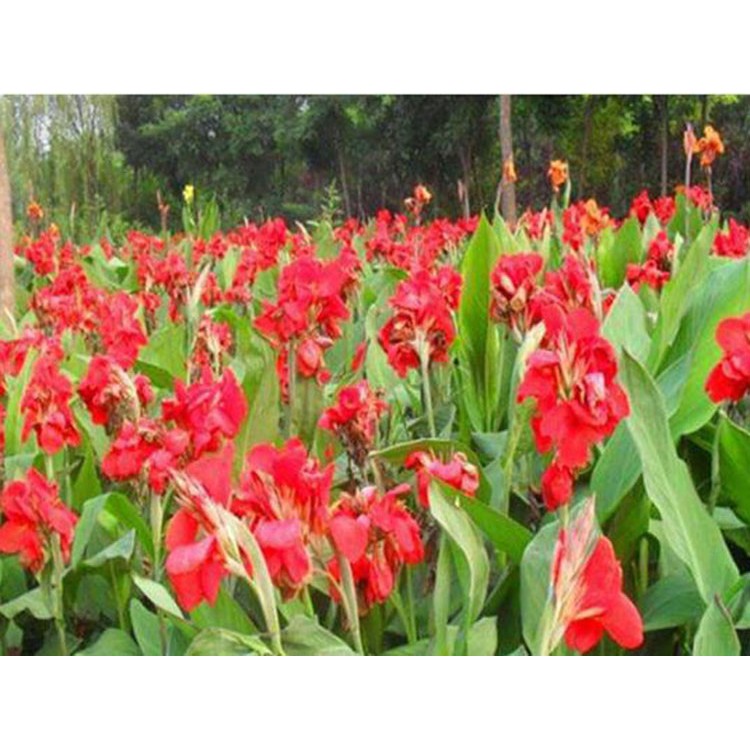
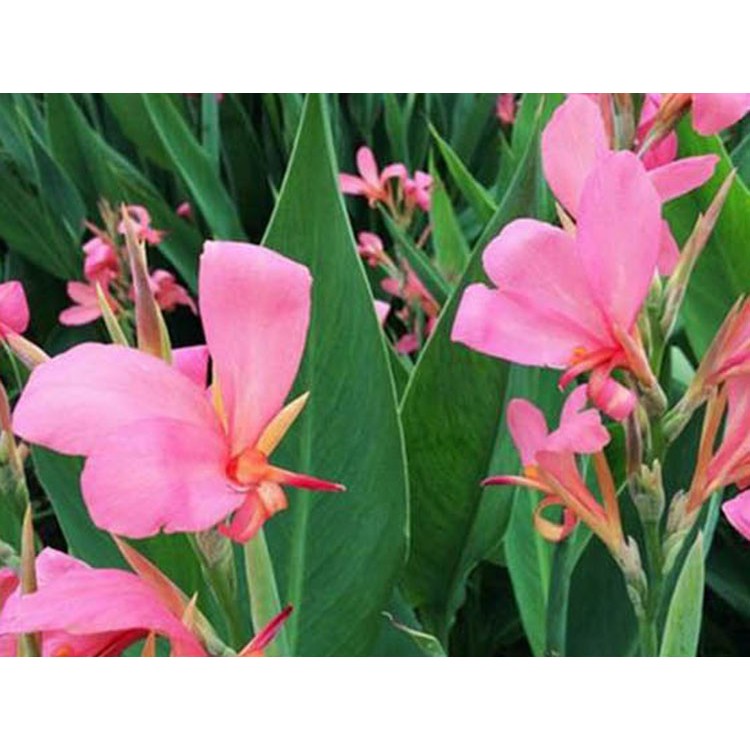
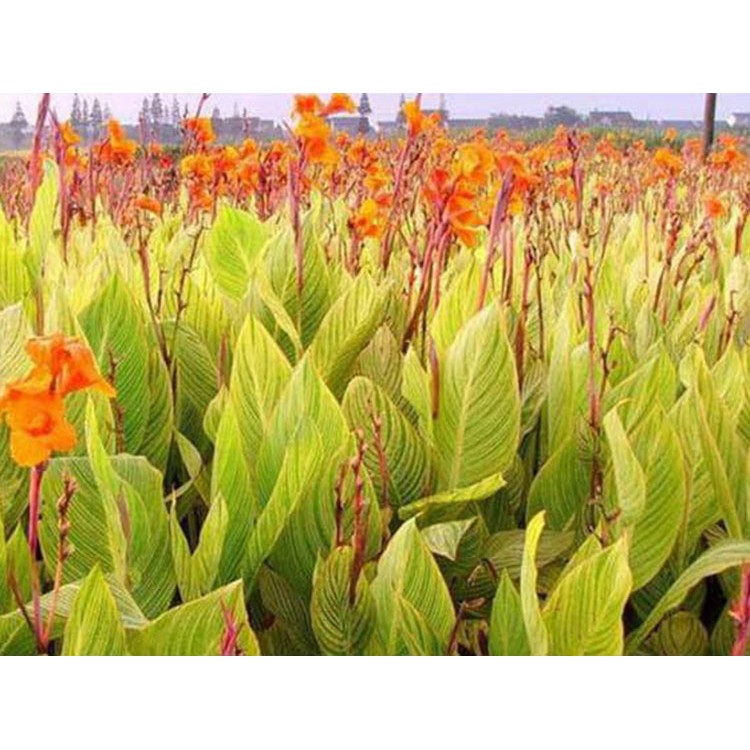
The aquatic canna, scientifically known as Cannaglauca L., also known as the Florida canna, is a perennial aquatic herb in the Canna family. Native to South America and the West Indies, it is widely distributed in the southeastern United States and cultivated in both the north and south of China. The aquatic canna is robust and adaptable, prefers sunlight, and fears strong winds, often growing in swamps, lake edges, and riverbanks. It is an excellent material for garden landscaping and urban wetland scenery arrangement, capable of absorbing harmful heavy metals like lead, mercury, and cadmium, showing great potential in the ecological restoration of wastewater artificial wetlands. Roots elongate, plant height 1.5-2 meters; stems green. Leaves lanceolate, up to 50 cm long, 10-15 cm wide, acute at the tip, gradually narrow at the base, green, covered with white powder, edge greenish white, translucent; racemes sparsely flowered, solitary or branched, slightly above the leaves; bracts round, brown, flowers yellow, no spots; sepals ovate, 1.2 cm long, green; corolla tube 1-2 cm long; corolla lobes linear-lanceolate, 2.5-5 cm long, 1 cm wide, erect, outer whorl of stamens 3, ovate-oblong, 6-7.5 cm long, 2-3 cm wide, entire; labellum narrow, ovate-oblong, apex bilobed, middle curled, pale yellow. Stamen is obovate and nearly sickle-shaped, with an acute apex and inwardly curled; style is narrowly lanceolate. Capsule is ellipsoid, measuring 3.5 cm in length. Flowering period: summer and autumn. Water lilies are robust and adaptable, preferring sunlight and fearing strong winds. They thrive in moist and shallow areas, doing well in fertile or sandy soils. The optimal growth temperature is between 15-28°C, with growth hindered below 10°C. They have no dormancy period in their native habitat, blooming throughout the year, but in cold northern regions, they enter dormancy during winter. The rhizomes require greenhouse protection to survive the winter.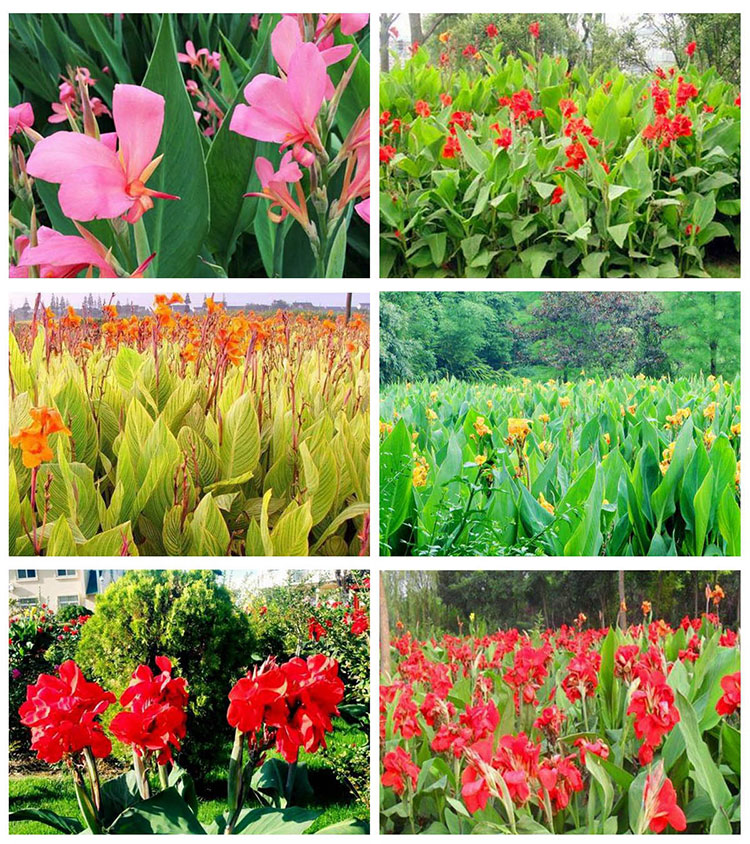

Phone Consultation