
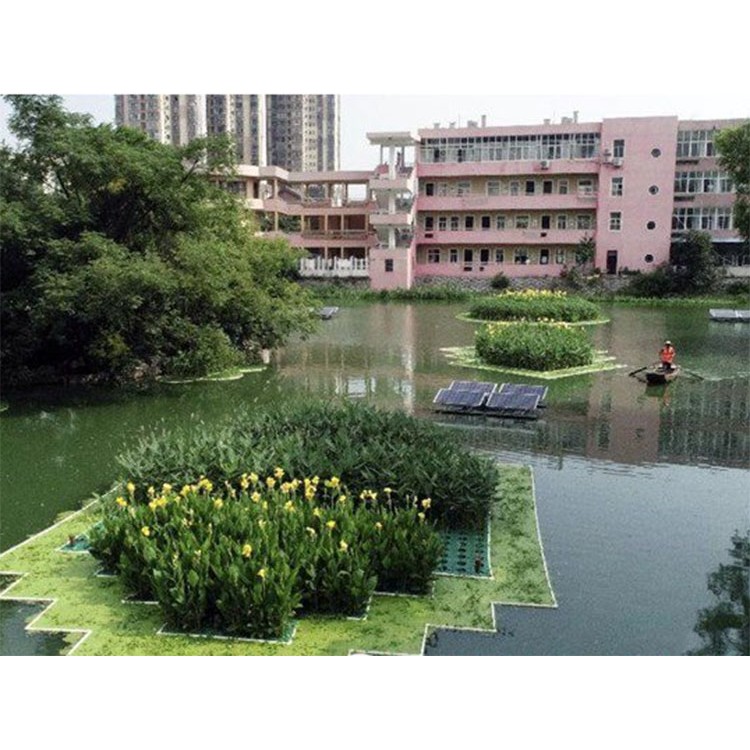
 Ecological Floating Island
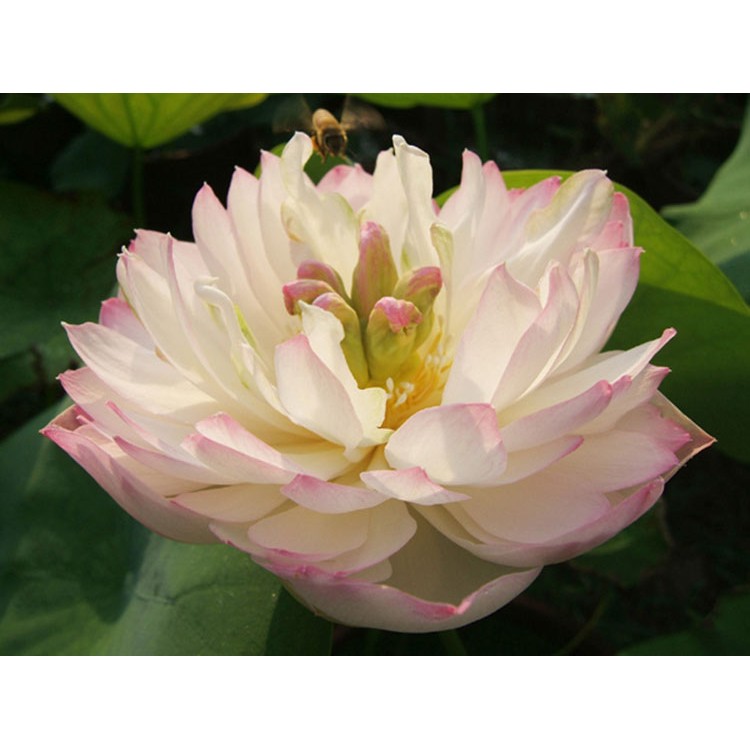 Exquisite lotus petals
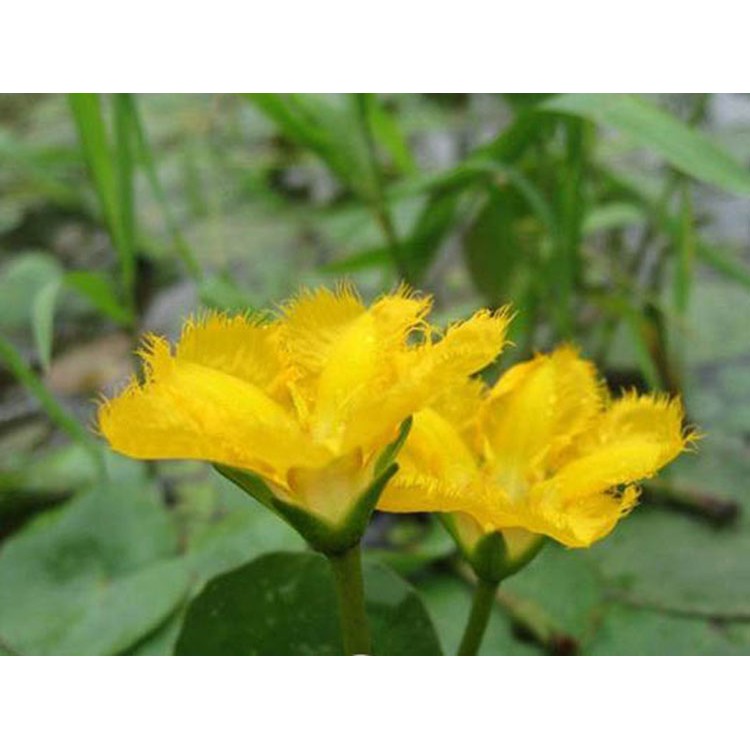 Water Dropwort
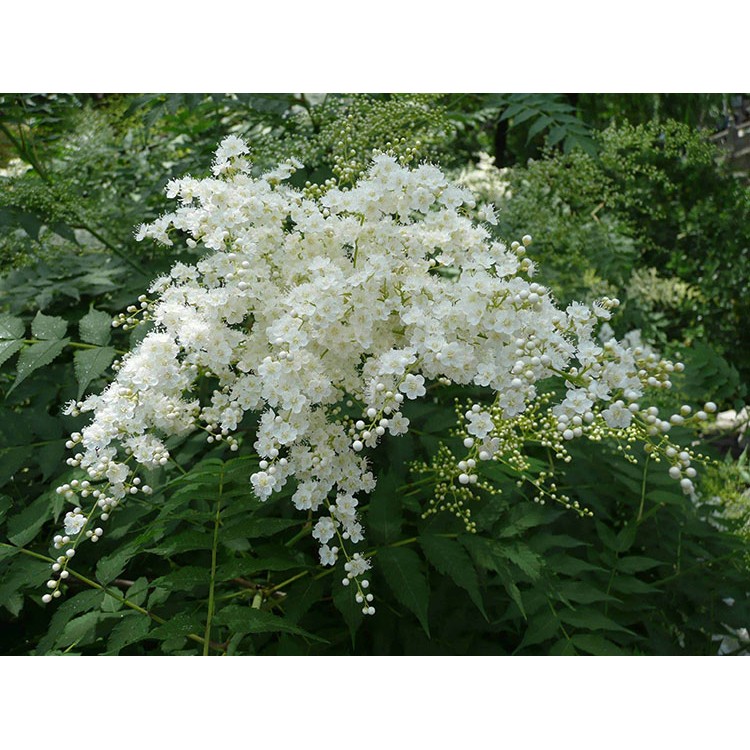 Pearl梅
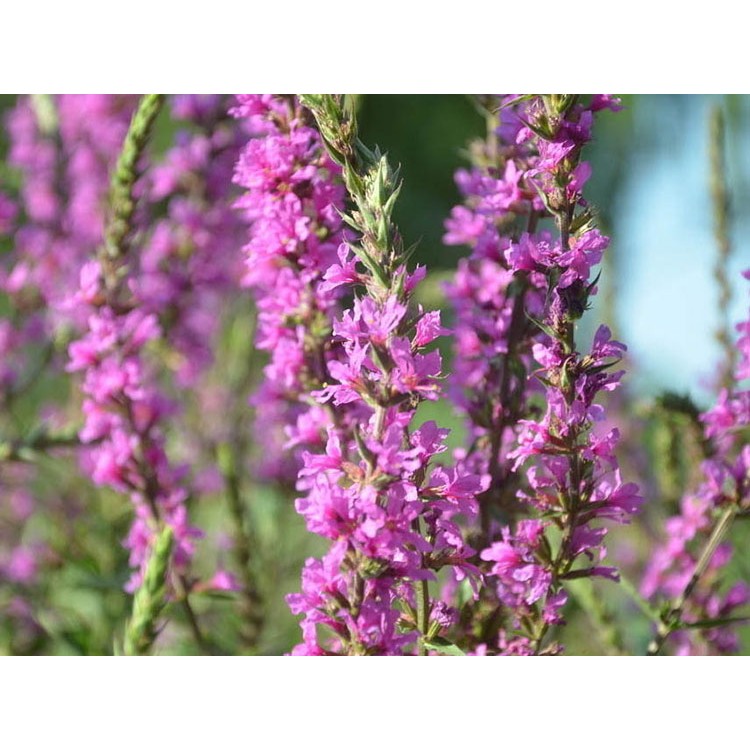 Chinese Rushwort
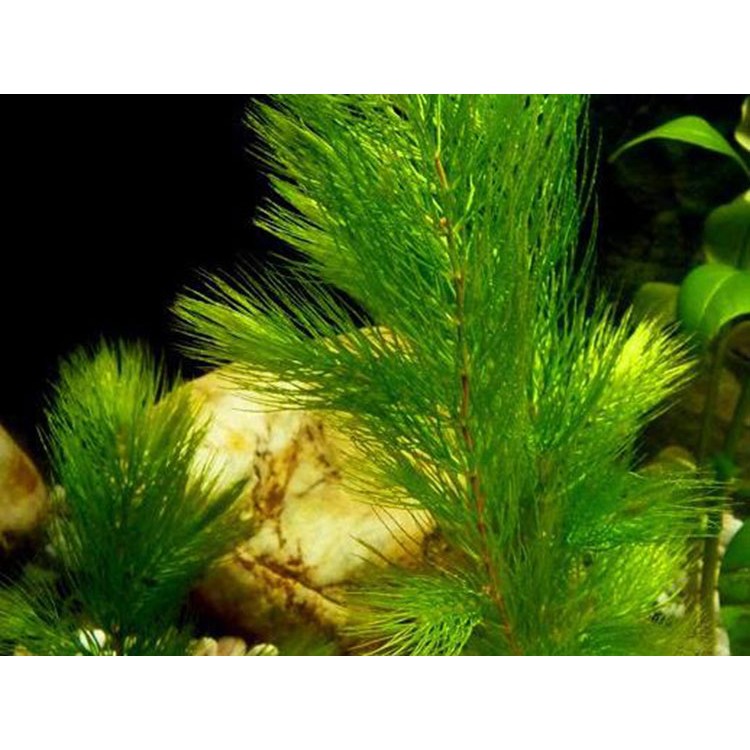 Goldfish plant
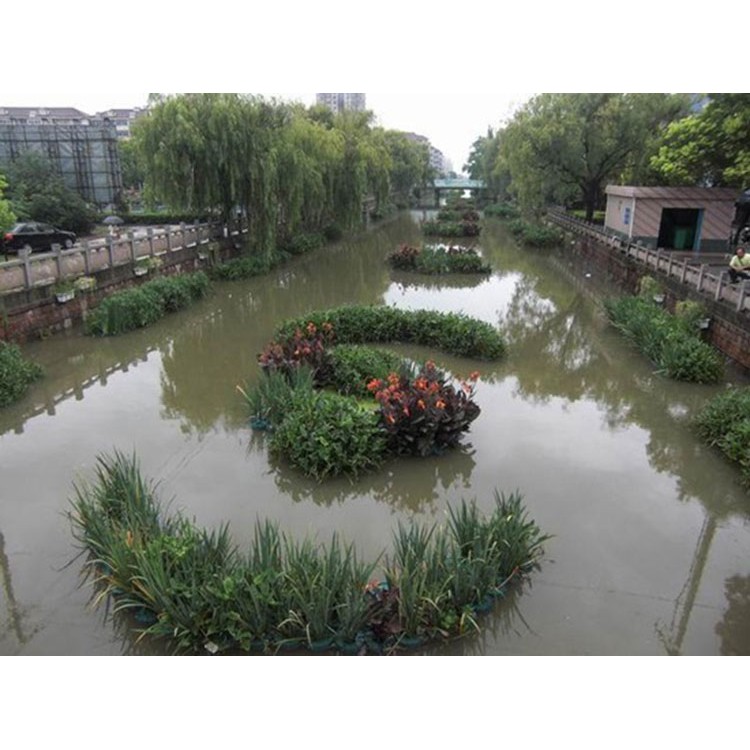 Shanghai Floating Island Case
Product Details

Forest seedling breeding and seedling cultivation; planting and selling of se...

产品Price Negotiable
最小起订Quantity:100 tree 供货总Quantity: 10000 tree


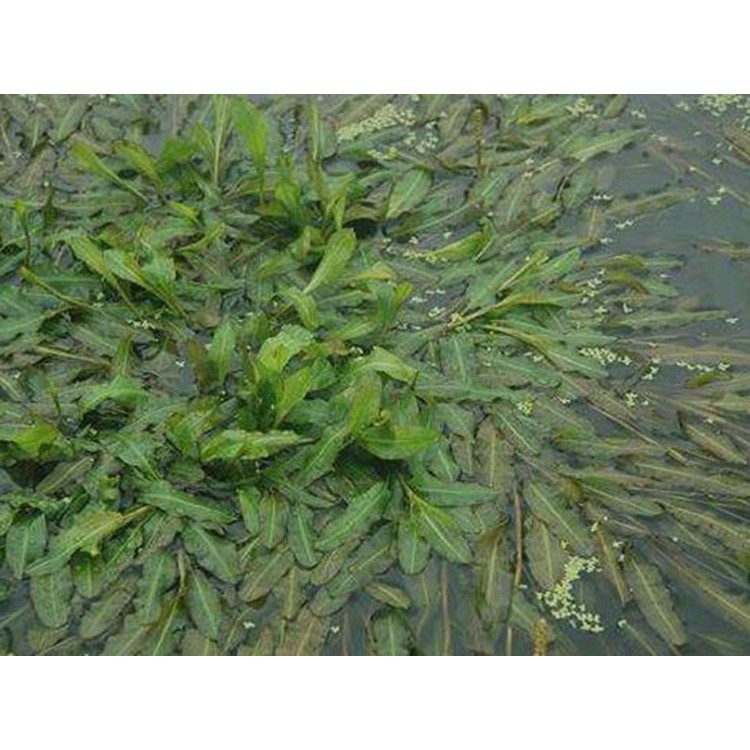
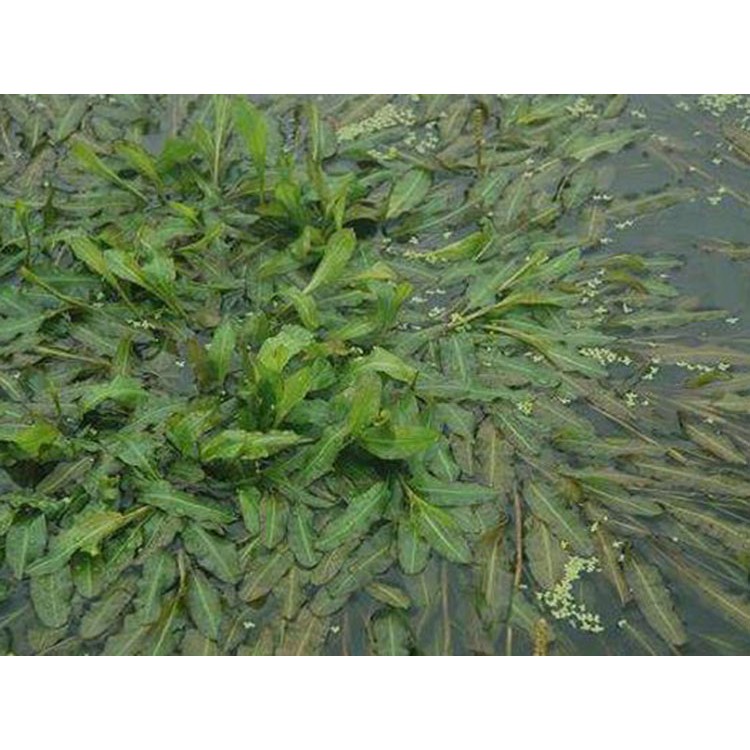
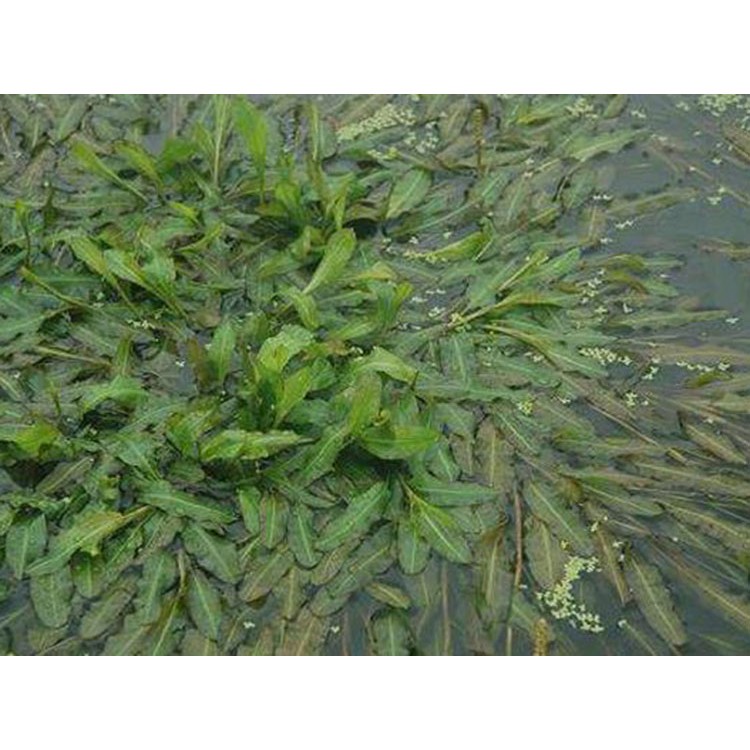
Roots grow in the mud, with the entire plant submerged in water, featuring well-developed aerenchyma for gas exchange. Leaves are typically narrow and elongated or filamentous, capable of absorbing nutrients from the water and continuing normal growth and development under weak underwater light conditions. Water quality is a requirement, as turbidity can hinder photosynthesis. Flowers are small with a short blooming period, primarily valued for their foliage. Submerged plants absorb nutrients from the water, including nitrogen and phosphorus, during growth. For eutrophic lakes and wetlands, planned annual harvesting of submerged plants can effectively transfer excessive nutrients, playing a positive role in mitigating eutrophication. Submerged plants are crucial in maintaining the clear water stability of lakes; their disappearance can transform a lake from clear to turbid water, known as a state transition. A key task in lake ecological restoration is to restore lakes from turbid to clear water states through the recovery of submerged plants. Generally, submerged plants with low intrinsic stability can serve as pioneer species for water ecological restoration.

Phone Consultation