
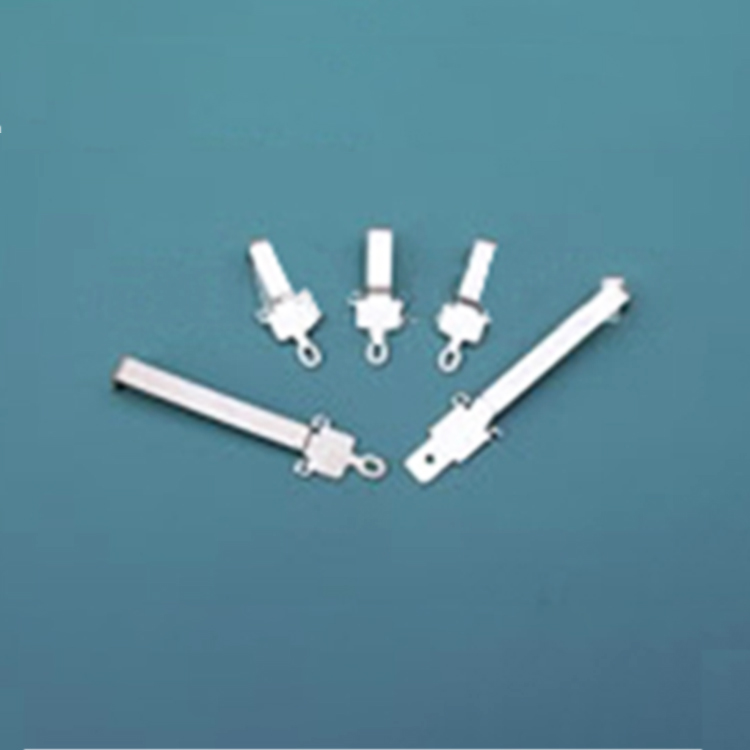
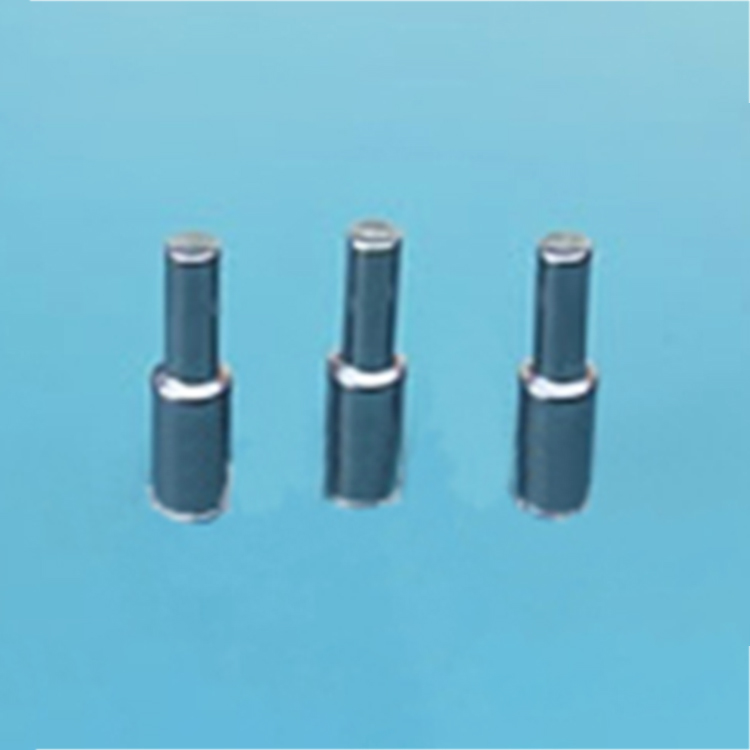
Connectors, also known as junctions or sockets, generally refer to electrical connectors. They are devices that connect two active components, transmitting current or signals.
The basic functions of connectors can be divided into three categories: mechanical functions, electrical functions, and environmental functions. Another important mechanical function is the mechanical life of the connector. The mechanical life is actually a durability policy, referred to as mechanical operation in the national standard GB5095.
It is evaluated based on a single insertion and withdrawal as a cycle, with the normal completion of the connector's connection function (such as contact resistance value) after a regular insertion and withdrawal cycle as the criterion for judgment.
Based on your requirements, we can offer quick customization of metal parts, as well as provide design services for you.
Electrical touch components require frequent insertion and removal, or on/off switching. They need to be both wear-resistant and have good conductivity, demanding high requirements for plating. Gold has higher chemical stability and hardness than silver, and its conductivity is not much worse than silver's. It also has good weldability. For the stability of the electrical appliances, gold plating is preferable to silver plating.
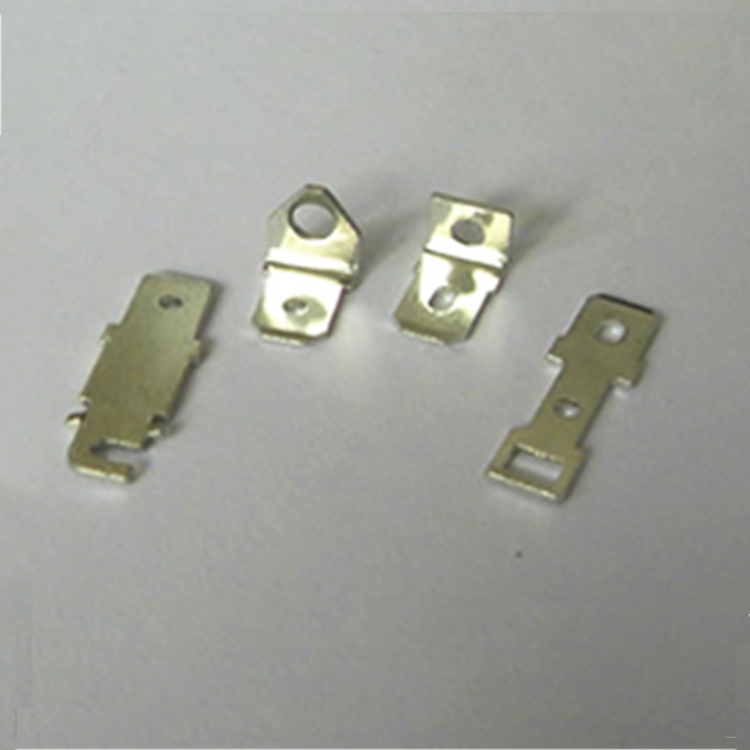
Terminal connectors are accessory products used to complete electrical connections, categorized under connectors in industry. As the level of industrial automation increases and the requirements for industrial control become more stringent and accurate, the demand for terminal connectors is gradually rising. With the development of the electronics industry, the range of use for terminal connectors has expanded, and so has the variety. Now, in addition to PCB board terminals, there are also metal terminals, nut terminals, spring terminals, and more widely used.