
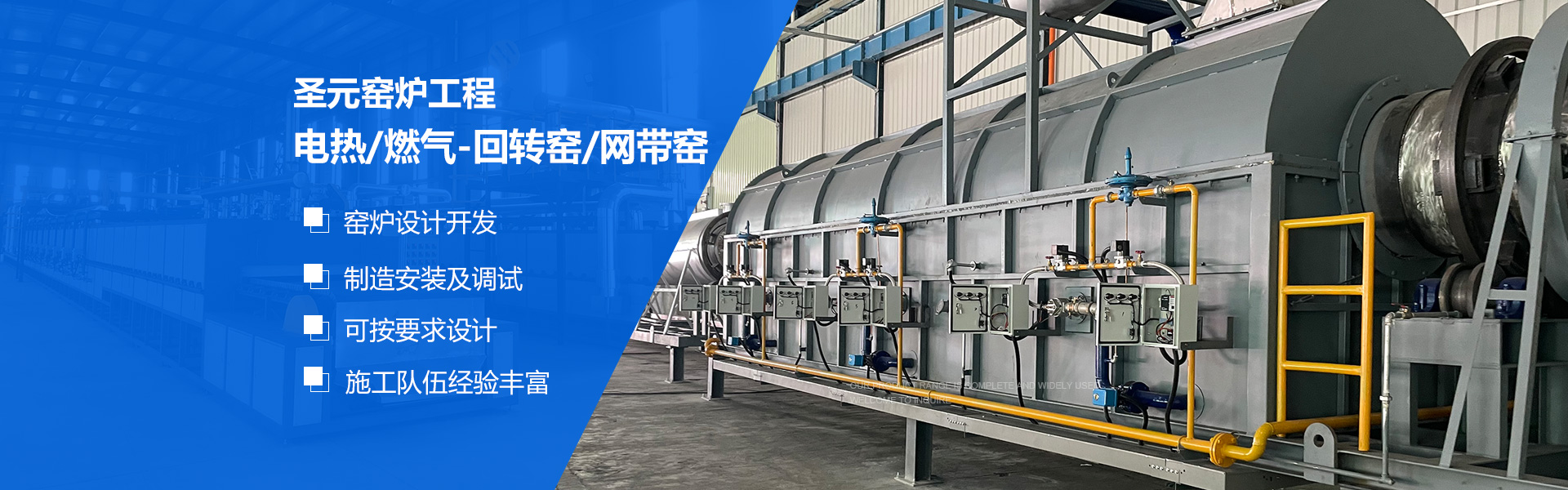
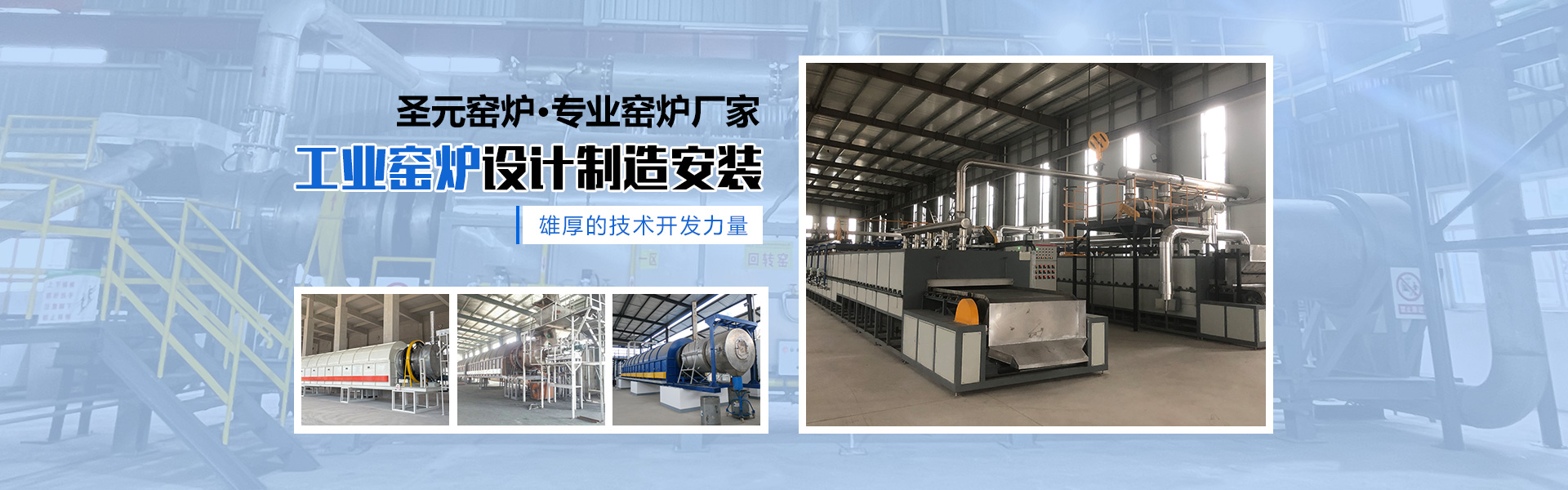

Seal devices are crucial for the stable operation of externally heated rotary kilns and ensure good production results. Poor sealing can lead to air leakage issues, affecting production temperatures and ultimately compromising product quality. Therefore, certain requirements must be met for the sealing devices.
The external heat rotary kiln operates under negative pressure. Due to gaps at the connection between the kiln body and the kiln head fire罩, as well as the kiln tail smoke chamber, leakage is inevitable. If not sealed properly, excessive air leakage from the kiln head will reduce the secondary air temperature, decrease the flame temperature, slow down the combustion speed of coal powder, and affect the calcination process.
If the kiln tail has excessive air leakage, it will reduce the secondary air volume. Cold air enters the kiln through the leakage at the kiln tail, not only failing to aid combustion but also needing to be heated and exhausted, increasing heat loss and lowering the kiln tail temperature. This, in turn, reduces the exhaust fan's capacity, increases the fan's load, affects the normal ventilation inside the kiln, and decreases product quality. If various preheating devices have air leaks, it will impact the increase in preheating temperature, lower the preheating capacity, and reduce the heat efficiency of the preheater.
The requirements for the sealing device of an external heat rotary kiln are: excellent sealing performance, adaptability to the length and radial changes caused by the kiln body's vertical and horizontal movement and temperature variations, as well as high-temperature resistance, wear resistance, simple structure, and ease of maintenance. Common sealing devices include: labyrinth-type sealing devices for the kiln head, asbestosis rope face friction-type sealing devices for the kiln tail, and graphite block sealing can be used for both the kiln head and tail.
News Center Co., Ltd.
