
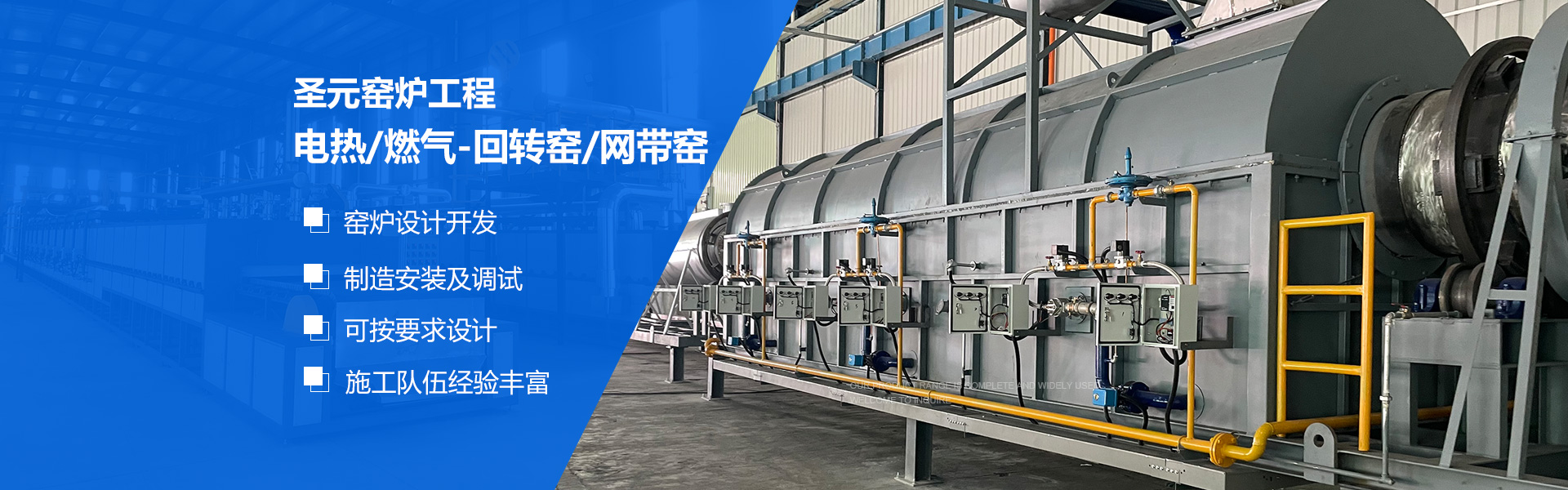
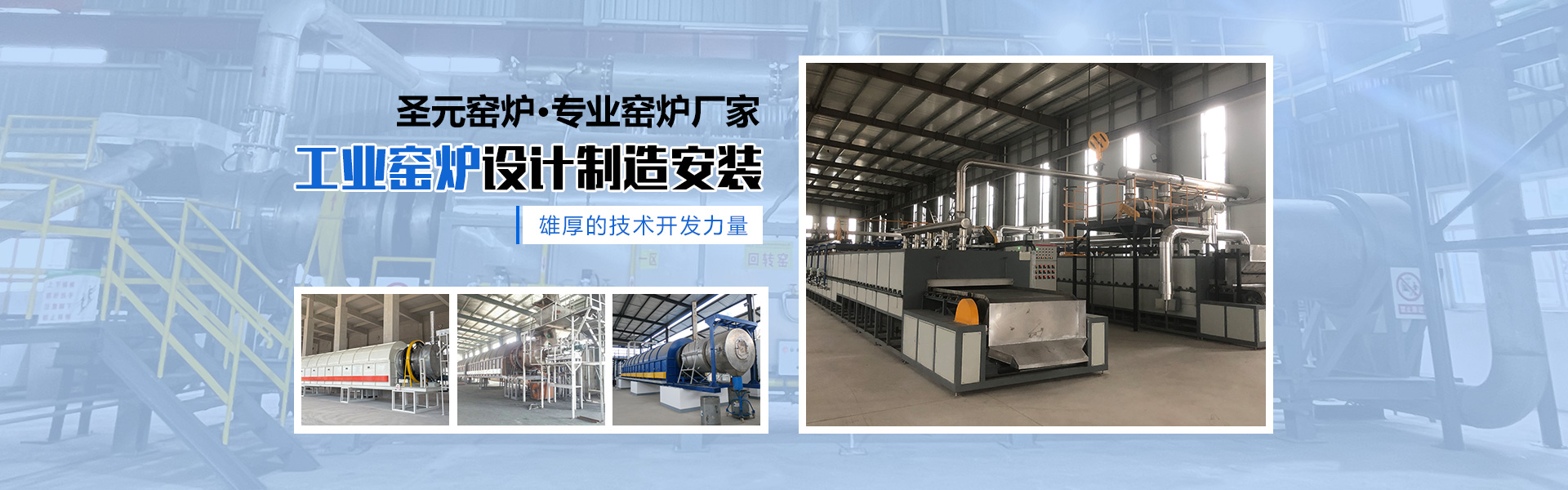

The working environment of a rotary kiln is characterized by high temperatures. To ensure stable operation, daily maintenance and upkeep are essential, with lubrication being a crucial aspect. But why is it important to properly lubricate all components?
The intense workload of the rotary kiln is due to the demanding nature of the tasks, which leads to the following conditions among the components:
The working environment temperature is high, with the body surface of the rotary kiln reaching temperatures above 2,000 degrees Celsius, radiating a significant amount of heat to the surroundings.
2. The working environment is dusty, with the sealing points of the rotary kiln, the mechanical equipment for transporting kiln dust, and the kiln tail smokestack all spilling dust in all directions; the kiln body is installed at an incline, making the lower-end rolling bearings prone to oil leakage. These characteristics place greater demands on the lubrication system.
3. Low-speed, heavy-load conditions, such as the rotation speed of tugboats typically ranging from 5 to 15 rotations per minute, with the rolling bearings of the kiln tugboats supporting working pressures of tens to hundreds of tons.
Due to the three conditions that occur during the operation of the rotary kiln, lubrication is necessary to alleviate them. However, not all lubricants are suitable, and there are specific requirements for the lubricant as well.
In summary, ensuring proper lubrication of all parts of the rotary kiln is crucial for maintaining stable operation. Additionally, it's important to select the right lubricant to achieve optimal results.
