
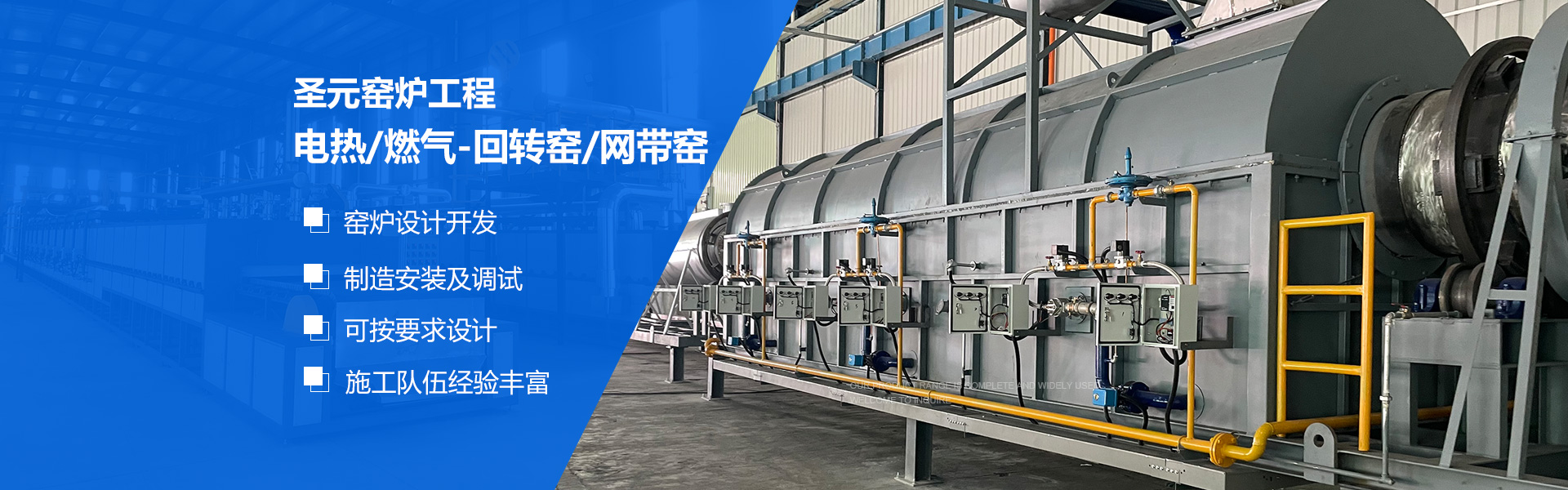
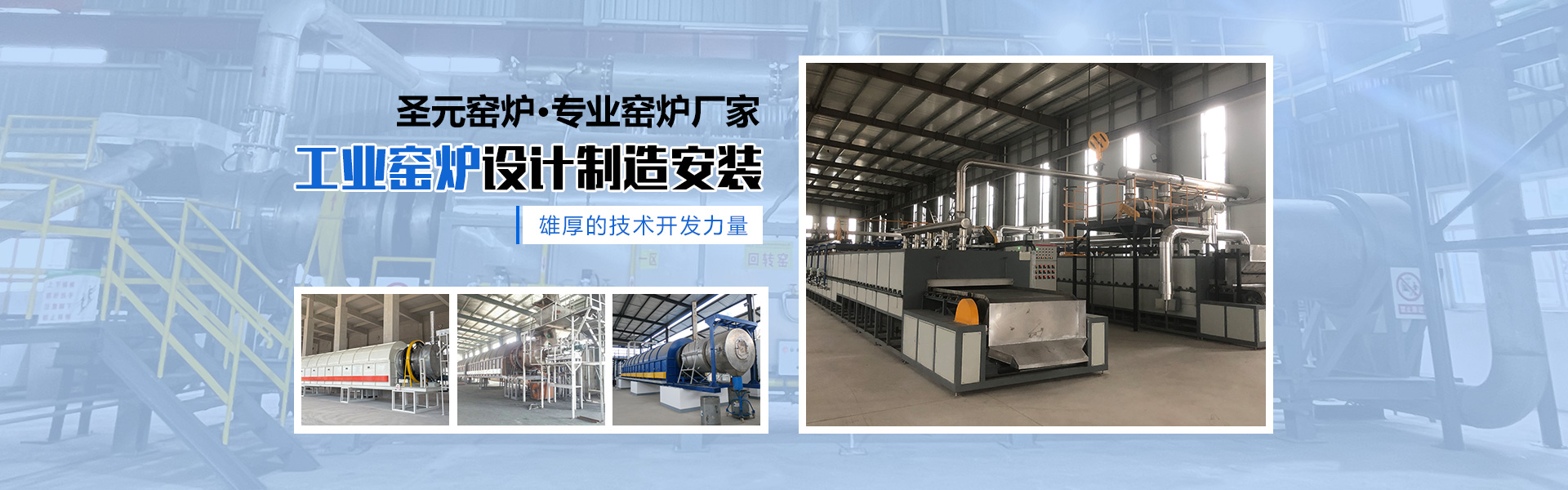

The rotary kiln is a common heating treatment equipment for bulk powders and paste-like fluids. To meet a wider range of application needs, various types of heating methods have emerged. So, how can the different types of kilns be categorized based on their heating methods?
1. Fuel return kiln
The burners used are light diesel burners, typically equipped with 3-4 units, distributed on one side of the kiln body. This type of equipment heats the material by burning flames sprayed onto the kiln tubes, transferring thermal energy for the heating process. The advantages include rapid combustion reactions and quick temperature increases. However, the disadvantages are the production of corrosive SO2 gas during the combustion process, which pollutes the atmosphere, and the kiln tubes, being constantly exposed to flame喷射, are prone to cracking and deformation, necessitating time-consuming repairs and maintenance, thereby increasing production costs. Additionally, a separate fuel station must be constructed for operation.
2. Gas rotary kiln
The fuel return kiln burners have the same quantity and arrangement, even the heat transfer methods are essentially the same. The difference lies in the type of burner used, which is a gas burner. Artificial gas, due to its lower calorific value, produces flames at a relatively lower temperature. Liquefied gas flames are higher, but the investment cost for the storage station and pressure equipment also increases accordingly. Moreover, regardless of the type of gas used for combustion, harmful gases such as SO2 and unburnt CO are produced, and other issues such as maintenance and repair that exist with fuel return kilns are also present. Compared to gas and fuel combustion, liquefied gas combustion produces no smoke, no ash, and no residue, making it relatively cleaner.
3. Electrically heated rotary kiln
This type of kiln utilizes electric heating elements, such as silicon carbide rods, to heat materials. The heating elements are distributed at the bottom of the kiln, and the direct heat transfer to the materials is also through the kiln tubes. Compared to the first two types of rotary kilns, this type boasts numerous advantages. The use and distribution of electricity are both convenient, with high levels of automation in control and adjustment, and the temperature is easy to control. Additionally, maintenance and repair are quite convenient. In practice, its operating costs are lower than those of fuel-based and gas-based rotary kilns with the same specifications. Moreover, electric heating does not produce smoke and ash, nor does it generate waste gases, completely resolving issues of environmental pollution and affecting the health of workers. There is no need to construct any additional fuel storage and transportation stations.
Rotary kiln equipment with different heating methods each have their own characteristics and advantages. When users are selecting, they should consider their actual needs and economic conditions to choose a model with a good balance of price and performance.
News Center Co., Ltd.
