

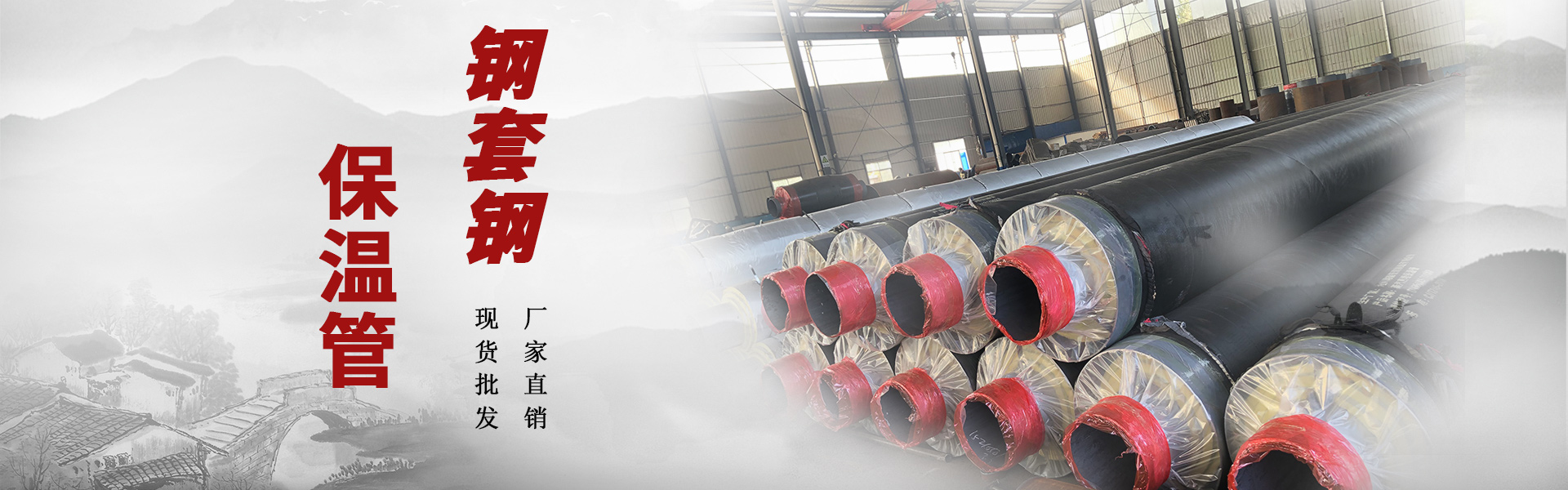

Steel-clad steel thermal insulation pipes are classified into: internal sliding type and external sliding type based on different sliding methods.
1. In-swing sliding: The thermal insulation structure is composed of working steel pipe, aluminum silicate, drag reduction layer, micro-porous calcium silicate, thermal insulation layer, stainless steel reinforcing steel belt, aluminum foil reflective layer, polyurethane insulation layer, outer steel pipe, and outer anti-corrosion layer (basically not in use anymore).
2. External sliding design: The thermal insulation structure consists of a working steel pipe, glass wool thermal insulation layer, aluminum foil reflective layer, stainless steel fastening belt, sliding guide bracket, air thermal insulation layer, outer protective steel pipe, and outer anti-corrosion layer.
2. External Protective Steel Pipe: It protects the insulation layer from groundwater erosion, supports the working pipe, and can bear certain external loads, ensuring the normal operation of the working pipe.
3. Insulation and thermal barrier layer of glass wool, air insulation layer: Ensures the medium temperature and maintains the surface temperature of the outer protective pipe at a constant level.
4. Aluminum foil reflective layer: Ensures that organic foam material does not enter the inorganic hard and high-temperature-resistant layer; reflects part of the high-temperature layer's heat.
5. Inorganic rigid insulating layer: withstands high temperatures, ensures the interface temperature between the inorganic and organic insulating layers, and prevents the foam from carbonization.
6. Stainless Steel Fastening Strips, Sliding Guide Brackets: Ensure free thermal expansion and contraction movement of the working steel pipe.
7. Work钢管: Ensure normal flow of transmission medium
