

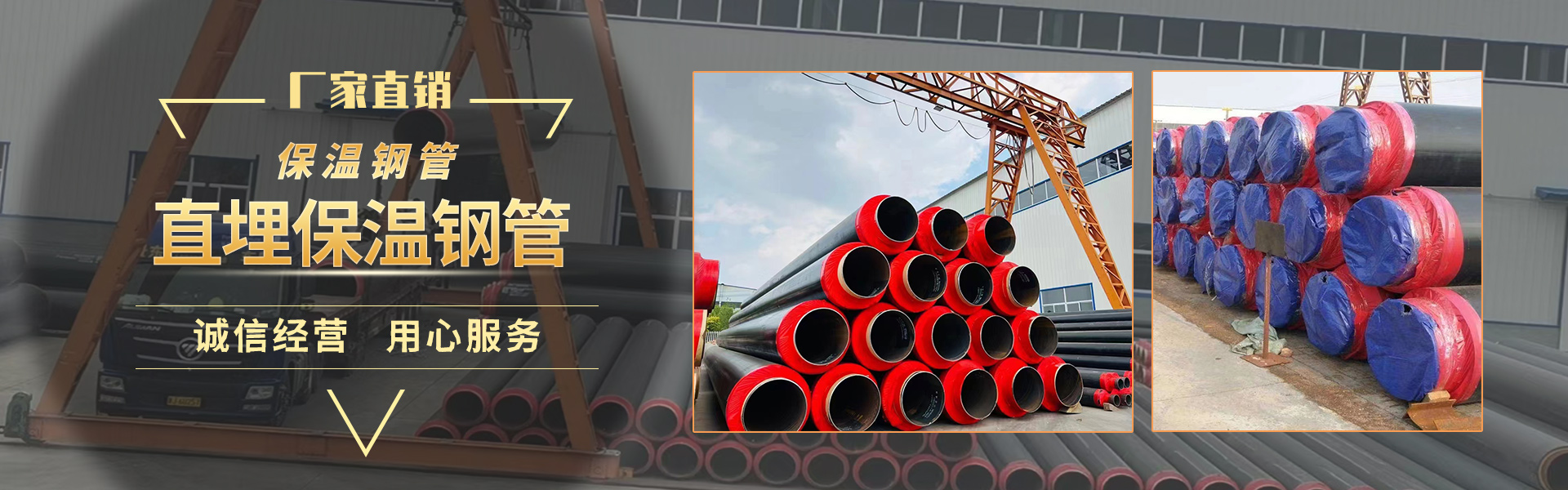

Steel-clad steel thermal insulation pipes, also known as steam transportation steel-clad steel thermal insulation pipes, are used for steam transmission. They are underground directly-buried pipelines that can be buried without the need for a concrete structure, meaning the thermal expansion of the working pipe occurs internally within the outer pipe. This reduces material costs, shortens the construction period, and ensures the safety of heating pipelines. They can be safely used in a wide range of temperature environments and are particularly suitable for high-temperature steam pipeline projects. Steel-insulated steel pipes can withstand temperatures from 150℃ to 450℃.
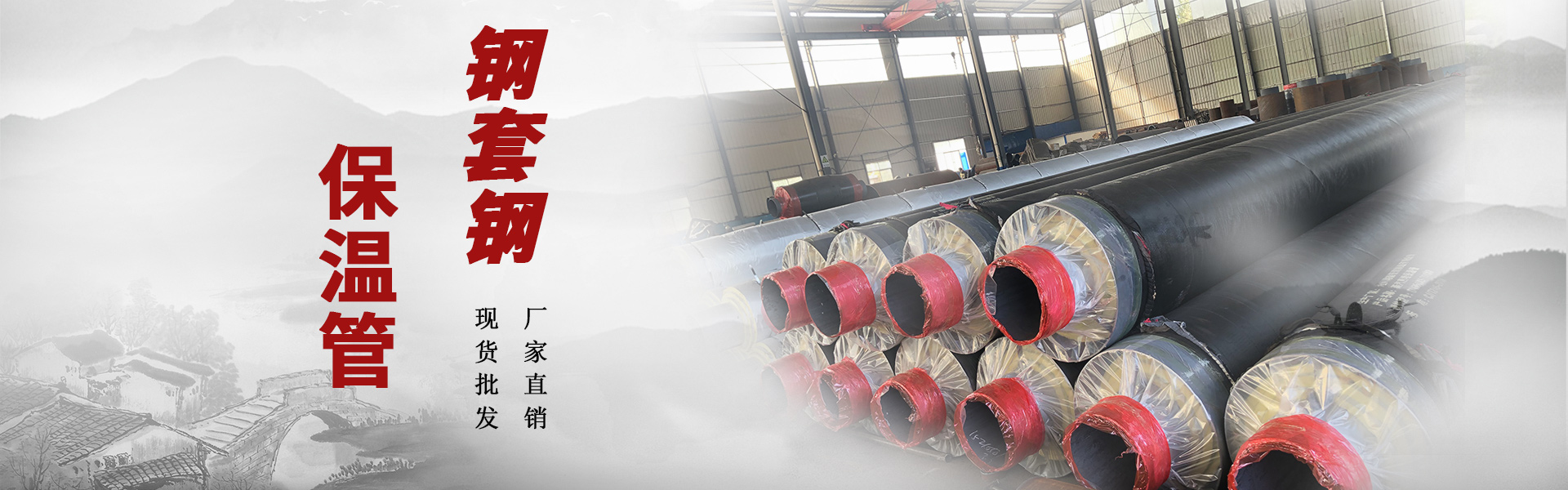
Steel sleeve pipeline burial technology is a new type of burial technique that integrates waterproofing, anti-seepage, anti-permeation, pressure resistance, and full-sealing. It represents a significant breakthrough in the application of direct burial technology in areas with high groundwater levels. It consists of steel pipes for conveying media, anti-corrosion outer steel pipes, and ultra-fine glass wool or silicate aluminum fiber wool filled between the steel pipes and the outer steel pipes. It can also be made from graphite, calcium silicate, and polyurethane foam. The primary concern for the protective pipe of the directly buried pipeline is the reliability of waterproofing integrity. Additionally, it should possess good mechanical strength. Due to the high strength of the steel sleeve, welding connections are used, resulting in a very high reliability of waterproofing and sealing performance. Moreover, its high-temperature resistance is unmatched by other external protective pipes.
