
 Shaoyang Ancestral Hall Construction, Xin Shaoyang Ancestral Hall Design, Longhui Temple Design
 Ancient Architectural Temple Design and Construction
 Antique Aluminum Components, Ancient Architecture Aluminum Components, Aluminum Ancient Building Components, Chinese Aluminum Alloy Ancient Architecture Components
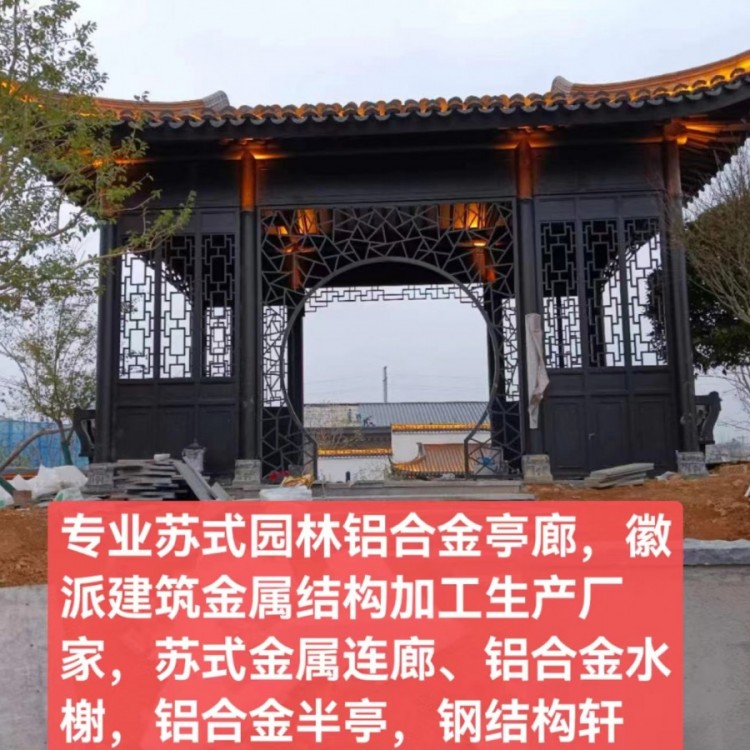 Traditional Chinese Villa Design, Aluminum Substitute Wood Design, Villa Effect Sketch Design
Product Details

Aluminum alloy corridors, aluminum alloy dougong (arched brackets), metal dou...



产品Price 3428.00/An
最小起订Quantity:1 An 供货总Quantity: 10000 An


 Aluminum alloy dougong, Dougong manufacturer, Aluminum plate dougong, Ancient architecture dougong, Stainless steel dougong
¥986.00
Aluminum alloy dougong, Dougong manufacturer, Aluminum plate dougong, Ancient architecture dougong, Stainless steel dougong
¥986.00
 Wooden bracket arches, wood carved bracket arches, antique architectural bracket arches
¥2800.00
Wooden bracket arches, wood carved bracket arches, antique architectural bracket arches
¥2800.00
 Hunan Ancestral Temple Design and Construction, Hengyang Ancestral Temple Construction, Hengnan Ancient Architecture Construction
¥3428.00
Hunan Ancestral Temple Design and Construction, Hengyang Ancestral Temple Construction, Hengnan Ancient Architecture Construction
¥3428.00
Guizhou Wooden模仿Railing, Tongren Wood Grain模仿Railing, Zunyi Cement Wooden模仿Railing Step One: Wooden模仿Railing Internal Structure Design
The internal structure design is the first and foundational step in the wooden模仿 process, determining the overall shape's quality. Formal wooden模仿railing manufacturing teams typically follow garden designers' pre-drawn blueprints, but in reality, most welders shaping wooden模仿rails rely on their own imagination. Once the internal design is complete, the prepared wire mesh is then laid, preparing the groundwork for the subsequent surface design. (There are also options to use bricks for internal shaping, but they don't look as good as with rebar). Second Step: Wooden railing surface shaping. The surface shaping is divided into three steps. Firstly, apply cement paste onto the wire mesh, where you can create some simple shapes to serve as a foundation for future shaping. Alternatively, you can skip the shaping and just apply the cement. Next, the treatment of the "skin" on the wooden railing surface, which is based on the first layer and represents the final step in the shaping process, and is also the most crucial one. Finally, etch the wooden texture, typically using a brush made of wire, and ensure this step is completed before the cement dries. Step 3: Coloring of Wood-Imitating Railings
While coloring wood-imitating railings may seem simple, it's actually a science. This step requires the manufacturing team to have an exceptional color master. Additionally, the coloring must be tailored to the railing's design and the type of wood being imitated. It's crucial not to mix colors randomly, as this can result in railings that lack resemblance to any wood.


