

The role of polyacrylamide in the sludge dewatering stage is to form flocs after the sludge reacts with polyacrylamide, achieving the separation of sludge and water. Subsequently, solid-liquid separation is carried out using centrifugal separators, belt presses, or centrifugal separators. Choosing the appropriate polyacrylamide type for sludge dewatering can save costs and effectively reduce the water content of the sludge cake. Industrial sludge categories vary in nature; general inorganic sludge, after removing some moisture, can be disposed of as waste. Toxic inorganic sludge should be utilized if possible; if not, it should be sealed and disposed of properly. Polyacrylamide is used in sludge treatment.
According to the required degree of reduction in sludge moisture content, methods for lowering the moisture content include concentration, dewatering, and drying. Sludge concentration is an initial reduction in sludge moisture content but does not alter its flow state. The main target for concentration is excess sludge. Common concentration methods include sedimentation, flotation, and centrifugation.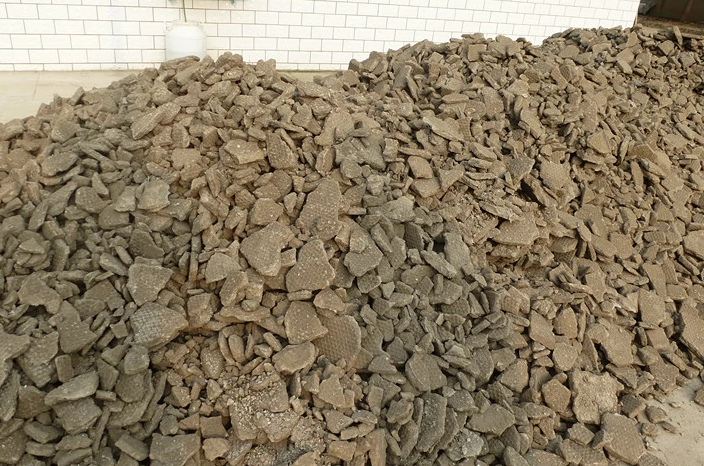
Sludge dewatering involves converting liquid sludge into a semi-solid wet sludge. At this stage, the moisture content of the sludge is reduced from over 90% to 60% to 80%. Common dewatering methods include natural dewatering and mechanical filtration. Drying of sludge refers to further reducing the moisture content of the dewatered sludge to around 10%, transforming the wet sludge lumps into dry mud powder. The most common method is drying, while wind drying can be applied for small amounts of sludge, though the moisture content of wind-dried sludge is above 10%. Organic sludge, where moisture is not easily separated from the solid, often requires pretreatment before dewatering to enhance its dewatering performance. Common pretreatment methods for improving the dewatering performance of organic sludge include coagulation, temperature elevation, and freezing. Additionally, commonly used sludge treatment chemicals include cationic polyacrylamide, anionic polyacrylamide, or non-ionic polyacrylamide.
Polyacrylamide is widely used in various industrial applications, such as dyeing, mining, papermaking, chemical, and food industries, where it is utilized for wastewater flocculation and sedimentation or sludge dewatering. However, the use of polyacrylamide must be controlled, as excessive application can lead to difficulties in sludge dewatering or environmental pollution issues. How should polyacrylamide for sludge dewatering be adjusted? Let's find out below!
1. The determination is based on the varying water quality of the wastewater: Different wastewater qualities present different levels of difficulty in treatment; accordingly, the required chemicals also vary.
2. Based on the solid content of the wastewater: wastewater with high solid content generally requires the use of low-concentration flocculants.
3. Depending on the sludge characteristics: When the sludge cake has a high moisture content, using low-concentration flocculation results in better performance.
4. Different industries require different wastewater treatment methods and various chemicals.
Polyacrylamide can be used in various stages of biological treatment in industrial wastewater treatment processes, such as in primary, secondary sedimentation tanks, and concentrators. However, its important application is in aiding and promoting sludge dewatering. During sludge dewatering, the flocculant causes the sludge to form large, dense flocs, which can then be separated from the liquid using centrifuges, belt presses, or plate-and-frame filters. The choice of polyacrylamide is a key factor for success, and the following factors should be considered when selecting it:
1. Understand the source, nature, and composition (such as the ratio of organic to inorganic matter) of sludge, as well as the solid content. Generally, cationic polyacrylamide is used for treating organic sludge, while anionic polyacrylamide is used for inorganic sludge. It is not advisable to use cationic flocculants when the alkalinity is very high, and it is not advisable to use anionic flocculants when the acidity is very high. The higher the solid content, the greater the amount of polyacrylamide used.
2. Flock Size: Too small flock sizes can affect drainage speed, while too large sizes can bind more water, reducing the mud cake strength. Adjusting the molecular weight of polyacrylamide to optimize flock size.
3. Polyacrylamide Ion Degree: For the sludge to be dewatered, different ion degrees of polyacrylamide are tested in the lab to select the appropriate one.
4. Floc Strength: Flocs should remain stable and not break under shearing forces. Increasing the molecular weight of the flocculant or choosing an appropriate molecular structure can enhance floc stability.
5. Flocculant and Sludge Mixing: The flocculant polyacrylamide must be thoroughly mixed with sludge at a specific location within the dewatering equipment to initiate the flocculation reaction. Therefore, the viscosity of the flocculant must be appropriate to ensure adequate mixing with the sludge. This is improved by adjusting the molecular weight and solubility concentration.
6. Polyacrylamide Dissolution: Good dissolution is essential for the flocculation effect of polyacrylamide. Sometimes, it is necessary to accelerate the dissolution process, in which case increasing the polyacrylamide concentration and water temperature can be considered.
Polyacrylamide's role is to cause sludge to form flocs upon mixing with it, achieving the effect of sludge-water separation. Subsequently, solid-liquid separation is conducted using centrifuges, belt filter presses, and plate and frame filter presses. Selecting the appropriate polyacrylamide type for sludge dewatering can save costs and effectively reduce the moisture content of the sludge cake.
新闻中心
