

Magnetic Inductive Hydrostatic Leveling Instrument Subsidence Monitoring System
One,Magnetic Resonance Hydrostatic Leveling Instrument Settlement Monitoring System Overview:
Magnetic induction static level gauge settlement monitoring systems are applied in ground, foundation pits, tunnels, tracks, high-speed rail, highways, cultural relics, high-rise buildings, mountains, slopes, dams, power stations, bridges, base towers, large-scale storage tanks, and amusement park infrastructure, among other locations.
Throughout the entire process from construction to the end of use, we aim to meet the designed quality standards and ensure safe operation.,Attempt to extend the service life as much as possible. The main focus of the engineering settlement monitoring is to forecast excessive vertical deformation, sinking, or floating of the building during the construction and use of the main structure, promptly feedback the safety status of the building, ensuring safety and reliability. It also provides theoretical basis and experience for future engineering design.
(I) Purpose of settlement monitoring
1Evaluate the safety status of the project based on the data analysis of on-site settlement monitoring.
2Based on data collection, analyze and predict monitoring data, issue early warnings and alarms, and promptly submit settlement monitoring and analysis reports to the owner, supervisor, construction unit, and safety management team, providing technical support for safety management decision-making.
3Accumulate data and materials to provide experience for future engineering design and construction.
4Settlement monitoring data, after analysis, processing, necessary calculations, and judgments, is used for quality prediction and feedback in construction.
The Significance of Settlement Monitoring
1Utilize modern information technology to guide construction and provide reliable and continuous settlement monitoring data.
2Timely organize monitoring information, establish feedback data through data processing, compare field measurement results with predicted values to determine if the safety condition of the project meets the expected requirements.
3Through engineering settlement monitoring, ensure building safety, and also compare the monitoring results with theoretical predicted values. Utilize reverse analysis to seek theoretical formulas closer to reality for guiding other similar projects.

Two,Magnetic Resonance Hydrostatic Level Gauge Subsidence Monitoring System Framework and Composition:
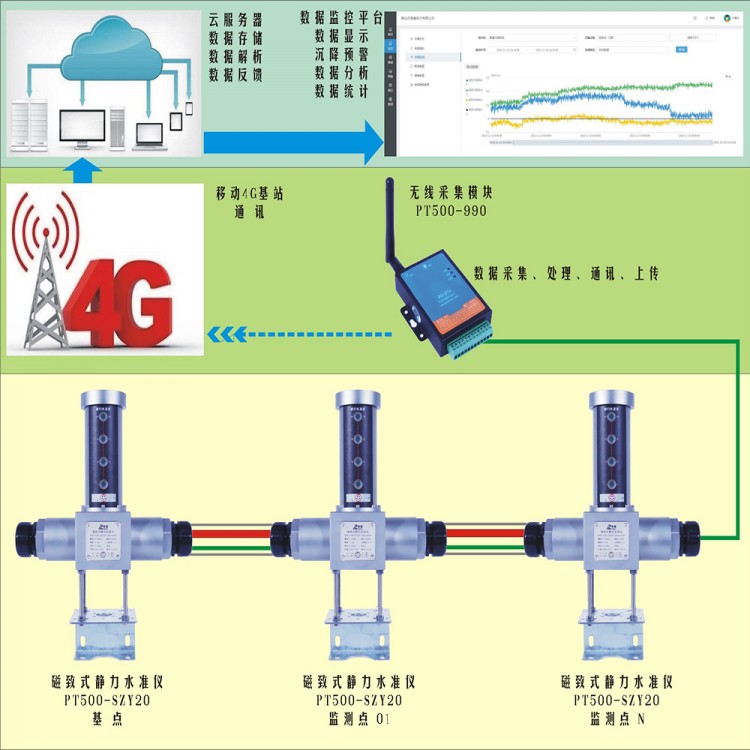
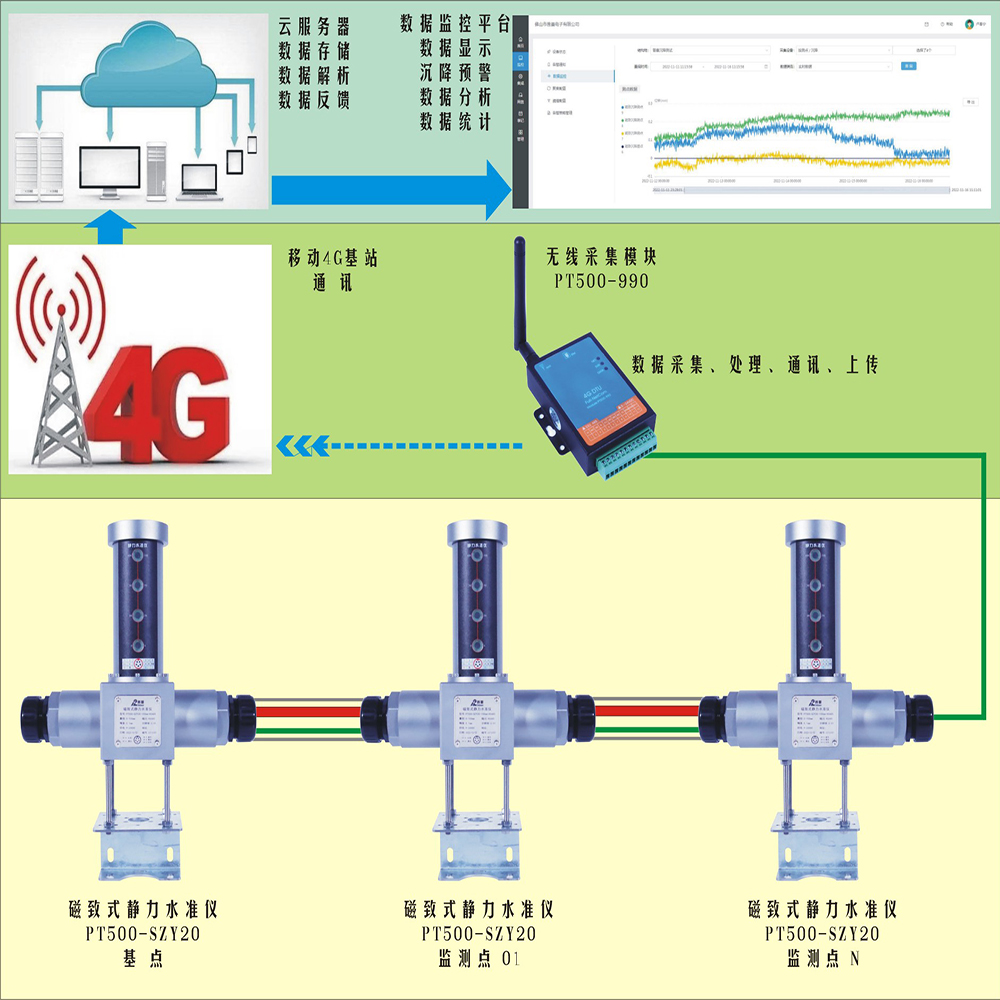
(I) Framework Diagram
(II) System Composition:
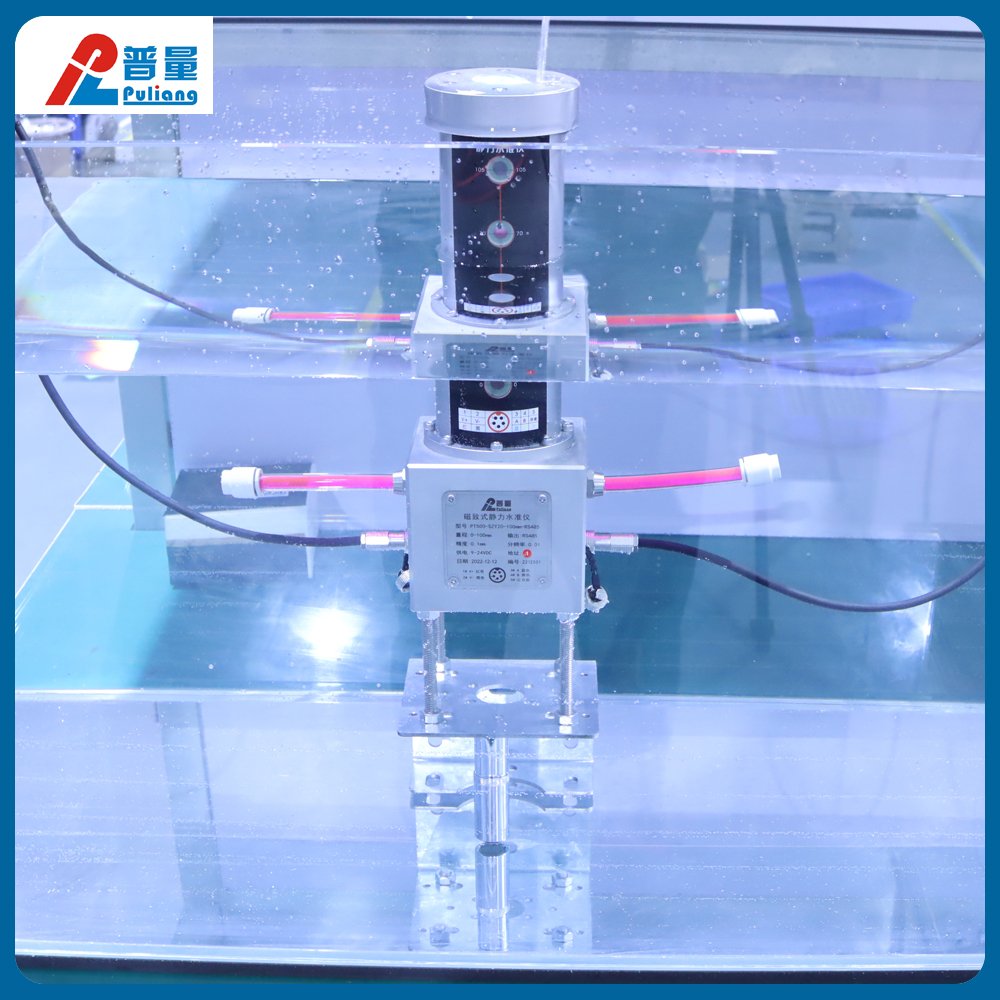
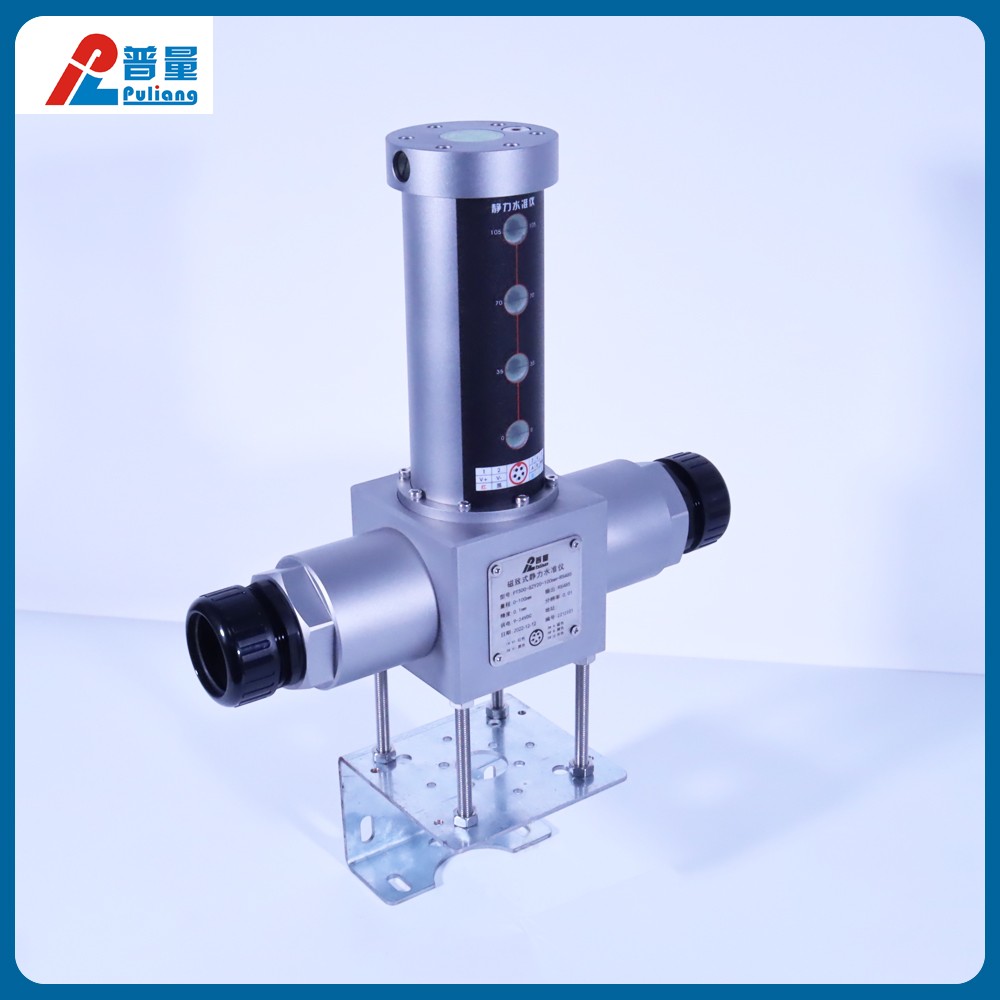
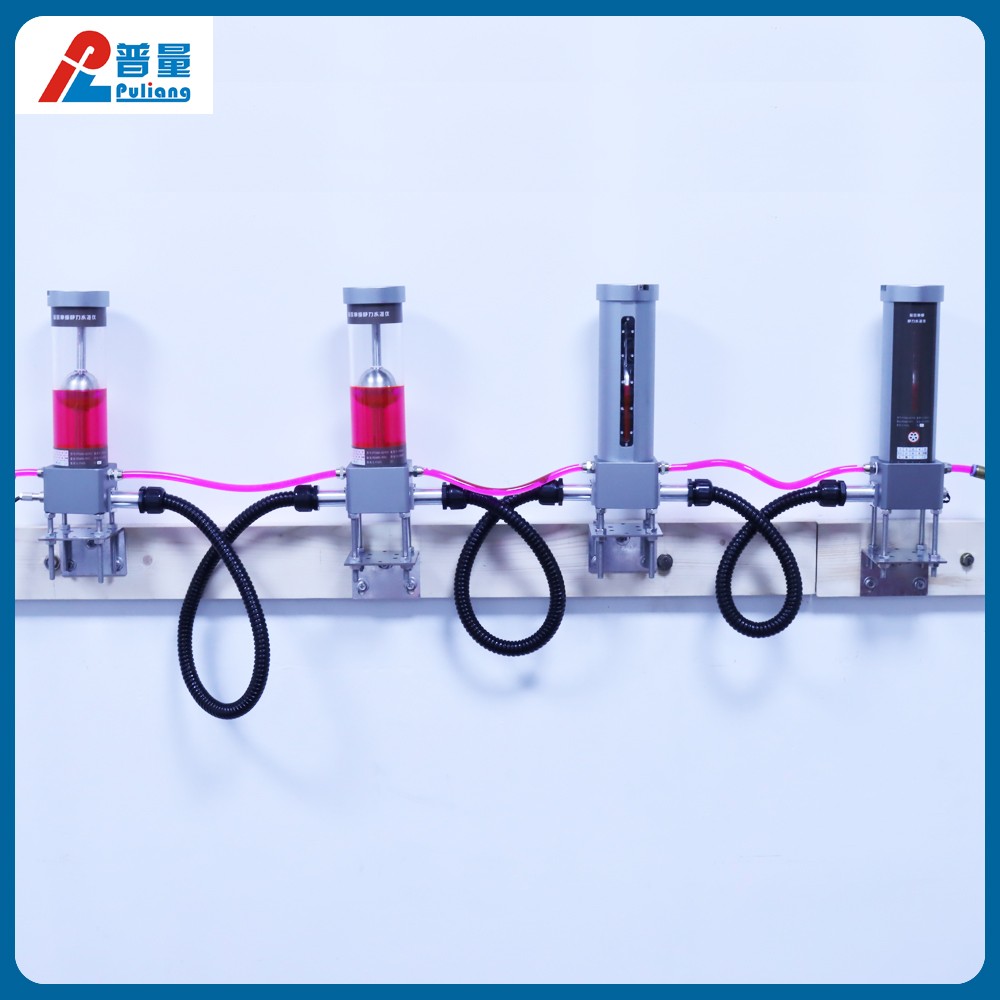
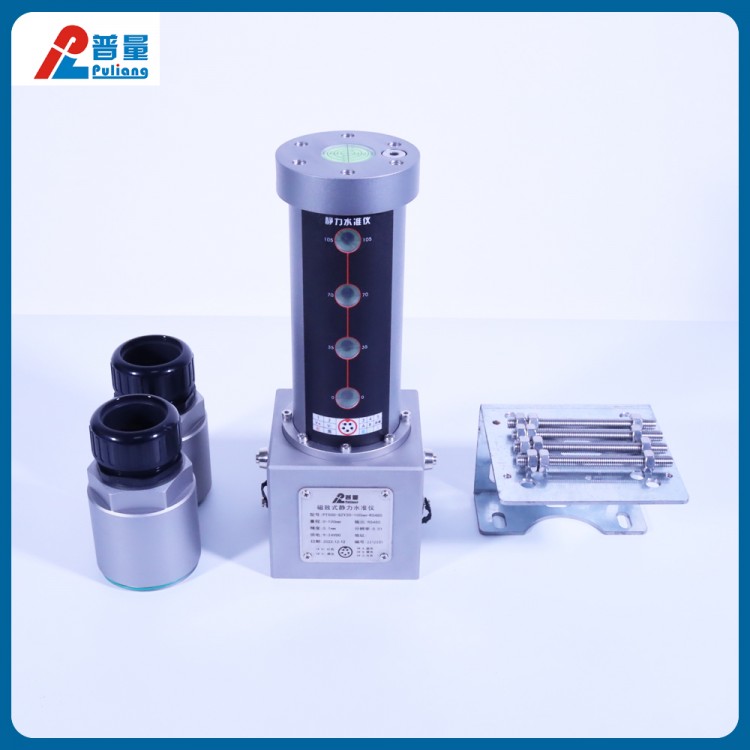
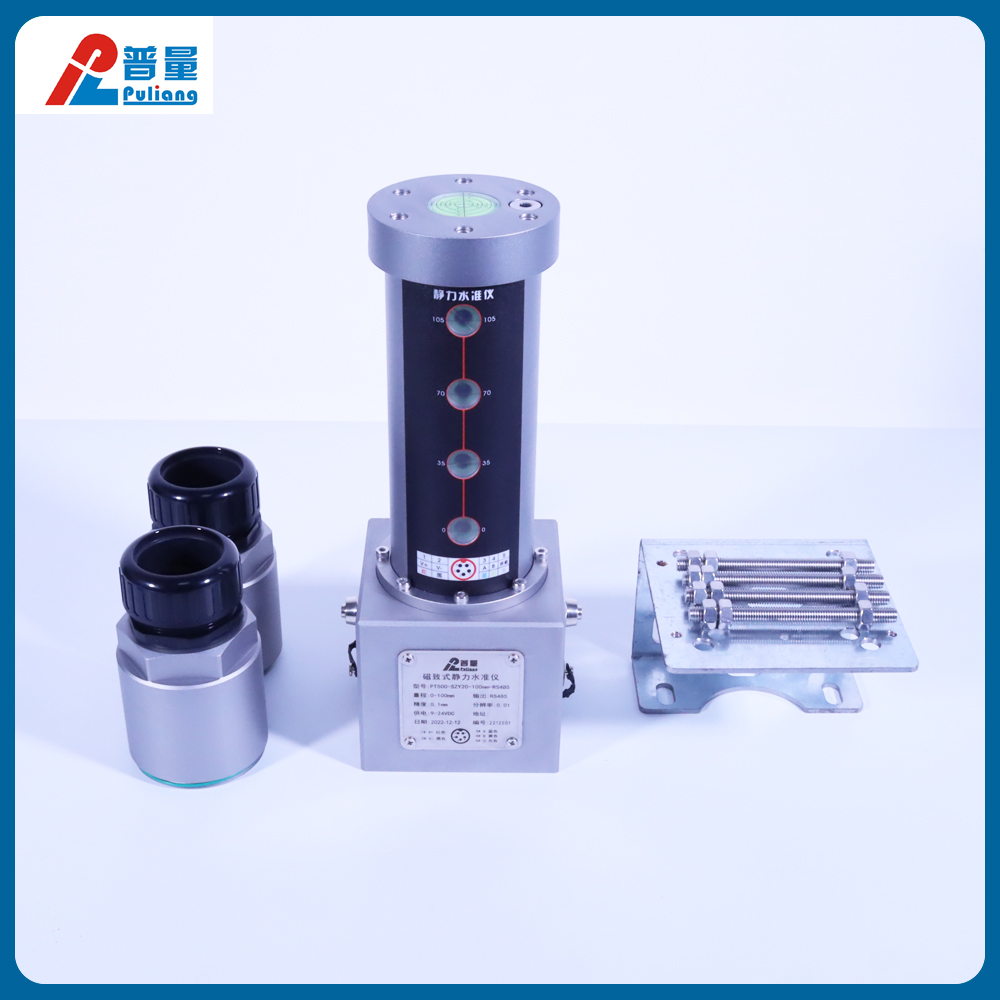
1Magnetic Inductive Hydrostatic Level Gauge PT500-SZY20 Quantity: Several (at least)2Set above);
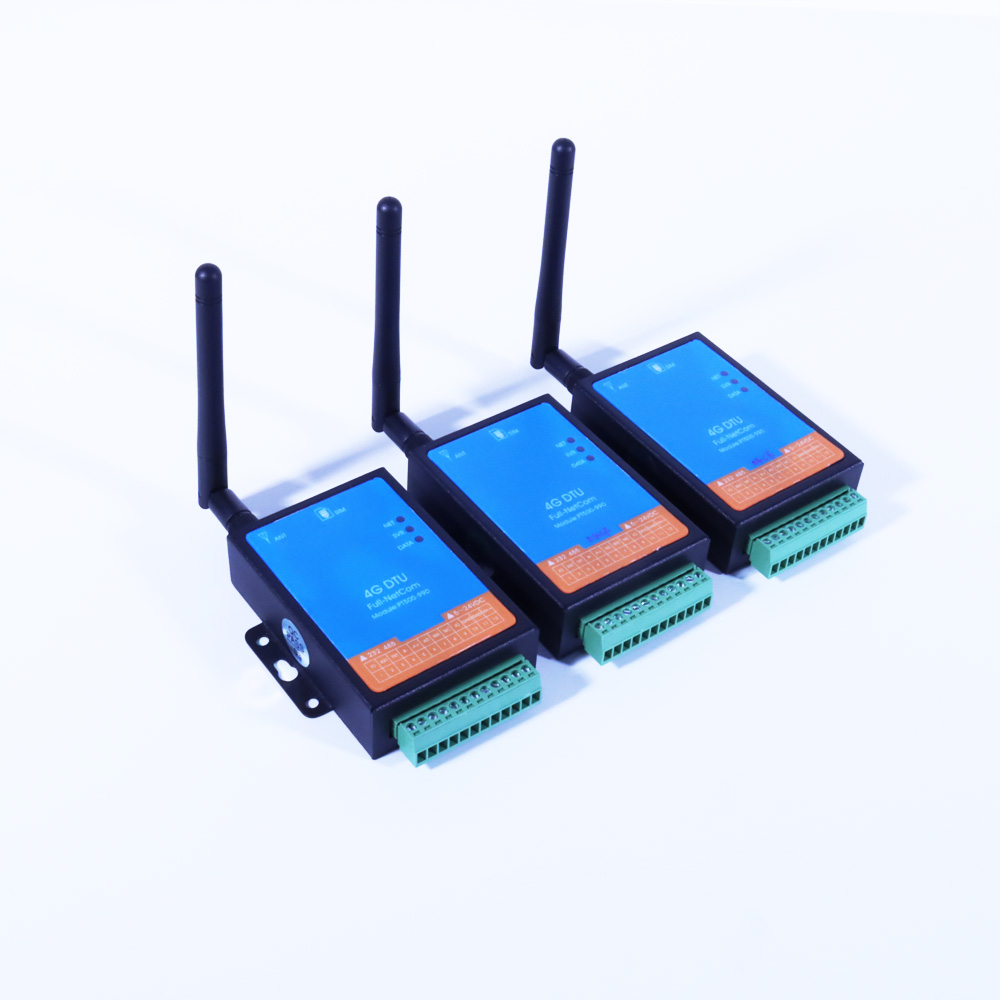
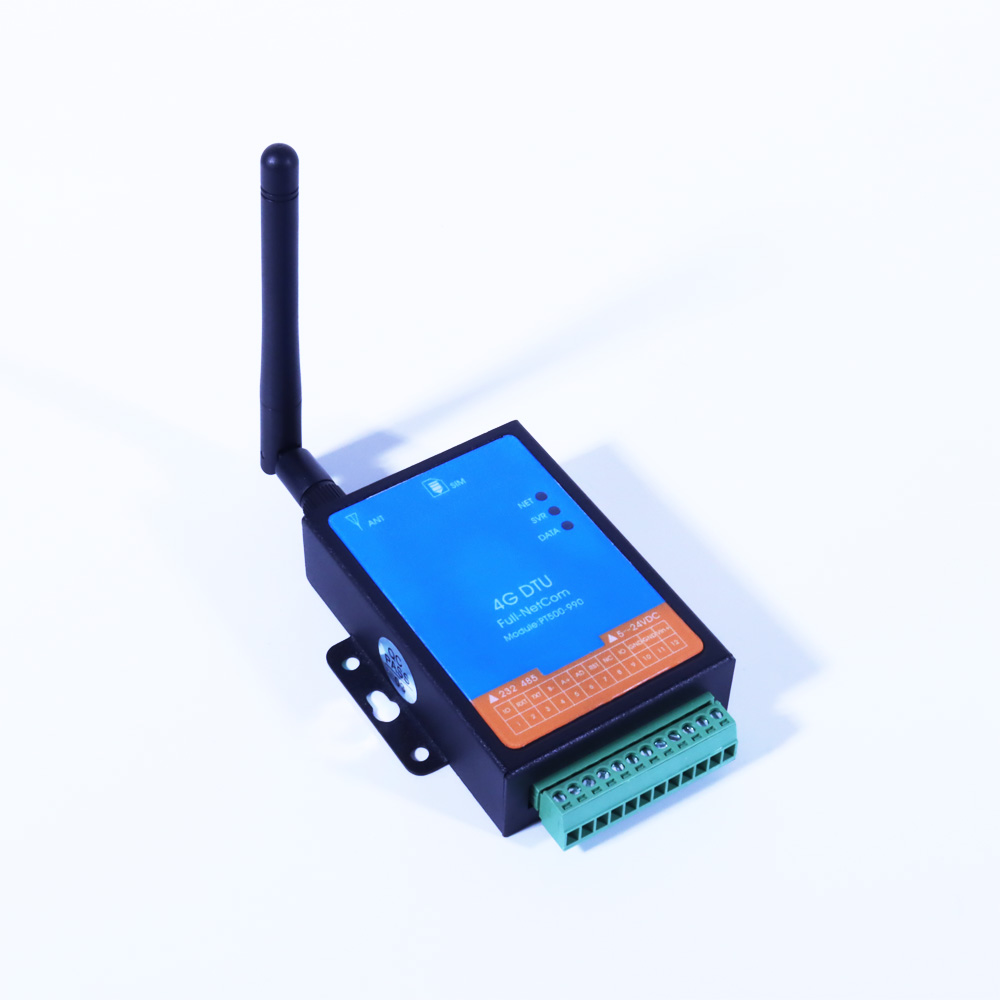
2、4GWireless Data Collection Module PT500-990 Quantity:1Unit (recommended number of access points per unit less than)64);
3Cloud Server Quantity:1Set (available with third-party);
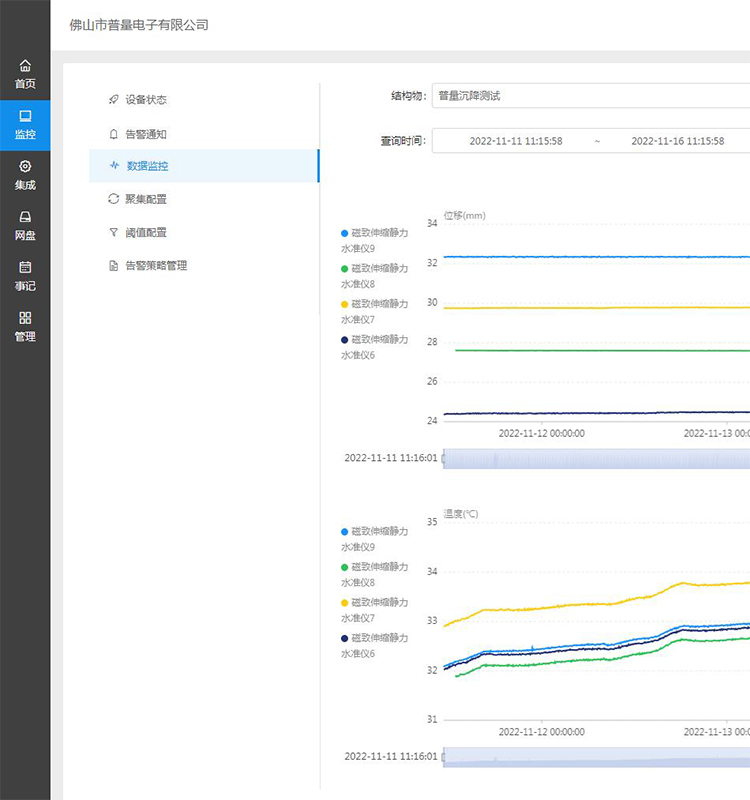
4Cloud Monitoring Platform Quantity:1Set (available from third parties)
5Power Supply Quantity:1Set24VDCOr220ACCompatible;
6Outdoor Electrical Box Quantity:1Piece(s)
7、10mmFluid Tube Quantity: Several meters (as calculated by the current project site distance)
8Communication Cable Quantity: Several meters (as calculated based on the current on-site project distance)
9Cable protection conduit Quantity: Several meters (as calculated by the current project site distance)
10Conduction mediumWater or AntifreezeQuantity: Several liters (based on the current project site distance)
One、Magnetic Inductive Static Level Gauge Settlement Monitoring System Performance Parameters:
(1) Principal Performance Parameters of Hydrostatic Level Gauge
1、 Settlement Range:0-100mm、200mm、300mmOptional
2、 Overall Accuracy: ±0.1mmAbsolute Pressure Accuracy
3、 Update Frequency 10Hz
4、 Supply Voltage 24VDC(9~30VDC)
5、 Operating Current <50mA
6、 Shou Please provide the Chinese content to be translated into American English. ≥10010,000 times
7、 Ambient Temperature -40~70℃
8、 Humidity/Dew Point Humidity90%No condensation allowed
9、 Temperature coefficient <30pp/C
10IP ratingIP67
(II)4GKey Performance Parameters of Wireless Communication Module
1Operator: China Mobile 4G
2Data Transmission Format: Transparent Transmission/Non-sleeping
3Communication Protocol:MODBUS RS485-RTU
4Number of machine connections:256dot (recommended to be less than)64·
5Power supply:12-24VDC
6Accepts less than transmit current100mA
7With data plan included.500M/Month*3Year
Section 3: Key Performance Parameters of the Cloud Monitoring Platform
1Equipment configuration, collection, and analysis
2Equipment grouping, networking, addition, and deletion management
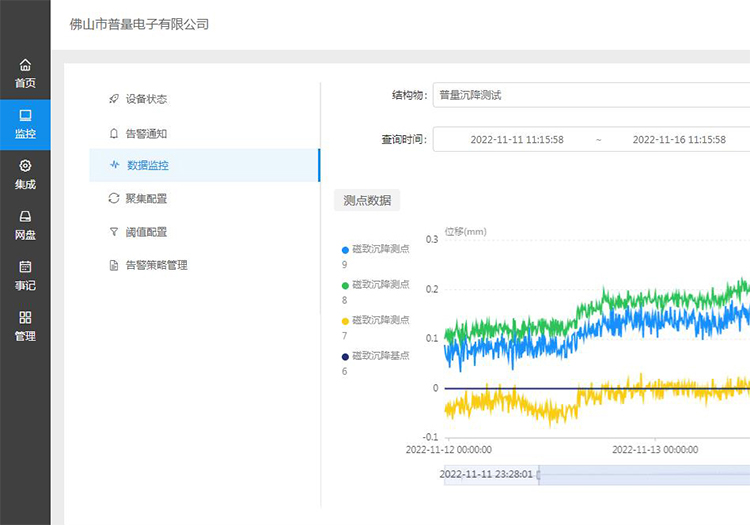
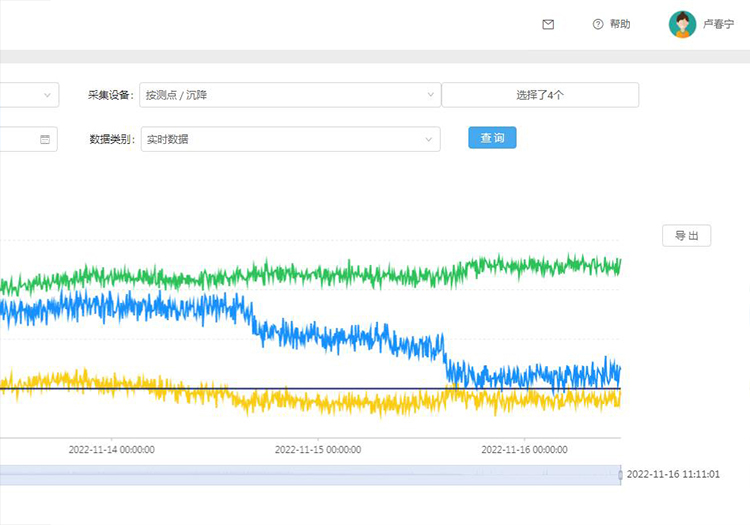
3Settlement data, real-time data monitoring
4Data statistics, inquiry, download
5Data alert, record, issue to users